By: Sumaya Abeeb, Political Science student at KPU
This blog was drafted in the Spring 2025 POST/POLI 4110 Applied Public Policy Seminar on climate adaptation, taught by Ellen Pond.
Climate change doesn’t impact everyone equally. For those seeking to understand how social and economic inequalities shape climate outcomes, the Shared Socioeconomic Pathways (SSPs) framework offers powerful insights. Particularly, SSP4, a scenario marked by rising inequality, highlights the challenges of navigating climate resilience in a world where wealth and power are concentrated in the hands of a few. This blog explores how inequality worsens climate impacts, and hinders meaningful action and what we can do to foster more inclusive, effective climate strategies.
Understanding SSP4: Inequality and Climate Resilience
The SSP framework, developed by climate researchers, outlines five potential global futures based on economic, technological, and social trends. SSP4, known as the “Inequality” pathway, depicts a world where a small, wealthy, and globally connected elite controls advanced industries and technological progress, while poorer communities remain stuck in low-paying, low-opportunity jobs. This growing gap affects everything from education to energy access, with profound consequences for climate resilience.
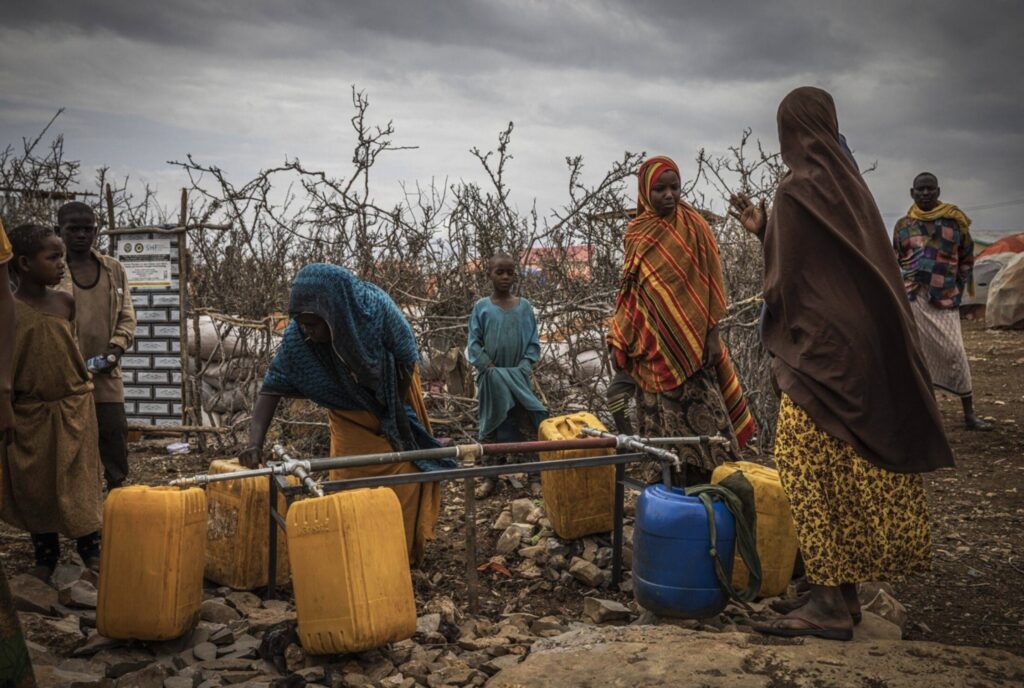
In this scenario, poorer nations face increasing difficulty providing basic services like clean water, healthcare, and sanitation. Meanwhile, wealthier regions benefit from advanced technology and robust infrastructure, leaving vulnerable communities to bear the brunt of extreme weather and economic instability. According to research from the article “The roads ahead: Narratives for shared socioeconomic pathways describing world futures in the 21st century”, these disparities weaken social unity, fuel conflict and further undermine climate responses.
How Inequality Weakens Climate Action
One of the most critical takeaways from SSP4 is the recognition that economic and political power shapes who gets a say in climate policy. When decision-making is dominated by a small elite, policies often reflect their interests, sidelining the needs of poorer populations. For example, while wealthier regions may implement renewable energy initiatives, poorer areas may lack the infrastructure or resources to do the same.
Limited access to education exacerbates this cycle. Without the opportunity to gain advanced skills, individuals in disadvantaged communities remain locked in low-wage jobs, unable to participate in higher-paying, sustainable industries. This education gap creates a barrier to innovation and local climate leadership, reducing the capacity of these communities to advocate for effective climate solutions.
Energy markets also reflect this imbalance. Under SSP4, fossil fuel companies invest in both polluting fuels and cleaner alternatives, prioritizing short-term profits over long-term stability. This dual approach increases market volatility and leaves poorer regions more vulnerable to energy shortages and price spikes.
Building a More Inclusive Climate Future
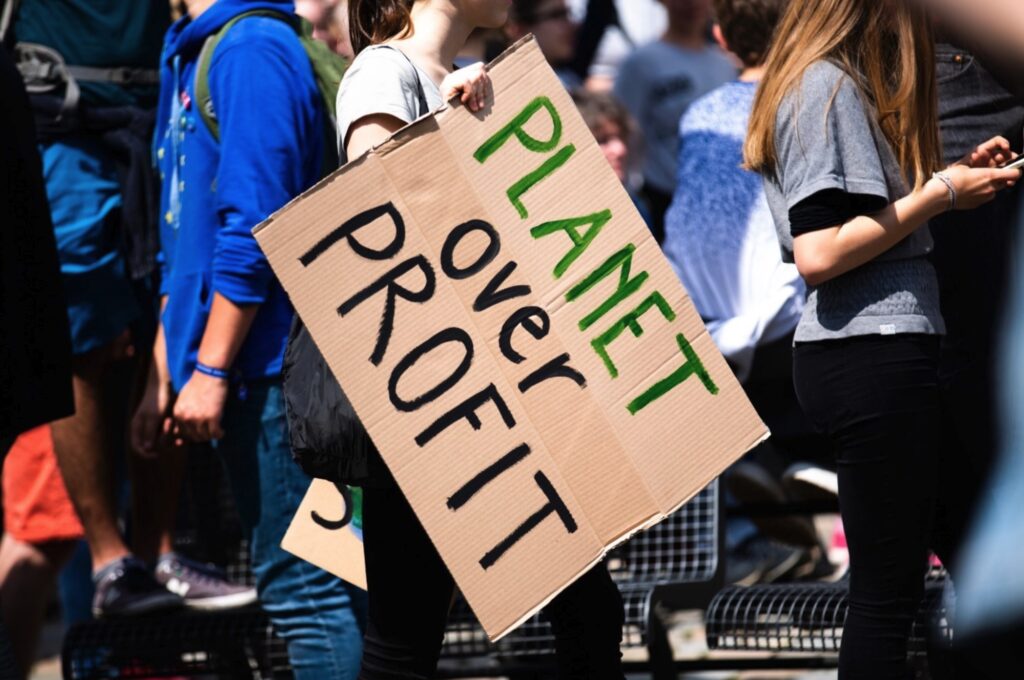
Addressing climate change isn’t just about cutting emissions, it’s about tackling systemic inequalities that determine who can adapt and who is left behind. To create effective, inclusive climate policies, educators, students, and policymakers must consider several strategies:
- Promote Accessible Climate Education: Ensuring everyone, regardless of income or geography, has access to quality education and helps build the skills needed to drive local climate solutions. Universities can play a key role by integrating climate justice into curricula and supporting community-led research.
- Empower Marginalized Voices: Encouraging diverse representation in climate decision-making processes helps ensure policies reflect the needs of vulnerable communities. This could mean supporting grassroots organizations, advocating for equitable governance, or creating platforms where underrepresented groups can share their insights.
- Invest in Sustainable Infrastructure: Governments and businesses should prioritize building resilient infrastructure in underserved regions. This includes expanding access to renewable energy, improving public transportation, and strengthening healthcare and sanitation systems — all essential for adapting to climate impacts.
- Support Fair Energy Transitions: As energy markets evolve, ensuring an equitable transition to renewables is vital. This involves phasing out polluting industries responsibly, providing job retraining programs, and ensuring new green jobs are accessible to disadvantaged populations.
Climate Justice is Climate Action
The SSP4 scenario offers a sobering reminder that climate change and inequality are deeply intertwined. A future where wealth and power remain concentrated in the hands of a few will likely see slower, less effective climate action, and greater suffering for those already most vulnerable. For students, educators, and the broader climate community, understanding these dynamics is essential to pushing for policies that promote equity alongside environmental sustainability. By championing accessible education, empowering marginalized voices, and advocating for fair energy transitions, we can work toward a future where everyone, not just the privileged few, has the resources and resilience to face the climate crisis.