
What do you get when you mix design students, recycled textiles and a passion for the planet? The Upcycled Design Competition!
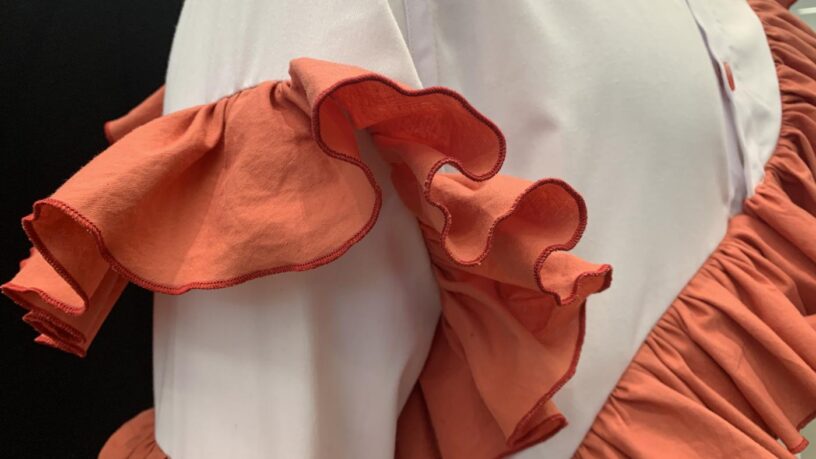
The Wilson School of Design has partnered with Our Social Fabric to host this year’s Design Competition with the theme, “Awareness”. Eligible participants created a 3-dimensional design using recycled textiles and found objects. The goal was to transform fabric/material waste into an upcycled design that conveyed a message of awareness on a topic that is meaningful and current. Concepts may included but were not limited to: garments, soft products, art pieces, interior design products, creative packaging, or zero/minimal waste designs.
Our Social Fabric is a textile recycling initiative that has been operating since 2009. OSF receives donations of textiles, fabric and any sewing-related supplies from the local film, theatre, manufacturing or estate closure industries. Their team sorts through donations and offers them back to the community at a drastically discounted price. OSF has two main purposes: the first to reclaim, recycle and extend the life-cycle of surplus textiles and textile-related materials destined for destruction or landfill. The second goal is to build community awareness of best practices for textile waste reduction towards zero waste and a circular economy. OSF has diverted over 50 tonnes of fabric from landfills since 2009.

The competition combines reclaimed materials with the skill and expertise of the Wilson School of Design’s students to demonstrate the viability of transforming material waste into upcycled design concepts. The goal is to create awareness of Our Social Fabric’s efforts and inspire the many talented, emerging designers at the Wilson School of Design. Further details on the submission eligibility and guidelines can be found here.
During the initial concept submission stage, participants were tasked with creating visual boards outlining research photos, sense of theme, potential concept drawings, and projected colourways.


Once the Top 9 finalists were selected, students will then continued to build, design and fabricate their chosen concept. Along with the final product, students were required to submit a video that outlined their design process, representation of the theme “awareness”, and other detailed relevant information. The submitted projects were evaluated on the innovative use of reclaimed materials (sourced from OSF with a maximum budget of $40), representation of “awareness”, creativity, quality and workmanship. Four winners were selected with the first place receiving $2000, second place receiving $1500, third place receiving $1000, and the people’s choice award winner receiving $500.
First Place: The Dangers of Toxic Masculinity (Zachary Chao)


Zachary believes that the dangers of masculinity are not often discussed, though it is an important issue to address.
“The concept of toxic masculinity may be foreign to many as it is not often talked about due to the negative stigma surrounding discussions of men’s mental health, behaviours, and impact on society.”
He continues to explain that “”Boys will be boys” is a phrase that is often used to excuse men for their wrongdoings while dismissing the severity of their actions. I wish to utilize this opportunity to share the ways toxic masculinity can inflict harm to society. Moreover, I strive to bring awareness to this subject and educate my community regarding ways of how this issue can be improved upon.”

Zachary Chao from Wilson School of Design at KPU on Vimeo.
Second Place: nistaweyecikewin (Jennifer Lamont)


Jennifer wanted to highlight this social issue of missing and murdered Indigenous women because
“This is something that needs more than a post or article online or another news cast reporting yet another Indigenous woman missing and/or murdered. This is not to be political or a marketable product but an art piece to bring that awareness to our community.”

Jennifer chose to create a red dress with red hand prints in the shape of birds with the name of an Indigenous woman that has been missing or murdered, “The birds symbolize each woman and her journey towards rising up to Our Ancestors in the sky. This will show that her name is being heard, seen and not forgotten.”

Jennifer Lamont from Wilson School of Design at KPU on Vimeo.
Third Place: Where Do My Clothes Go? (Josh Swanson)
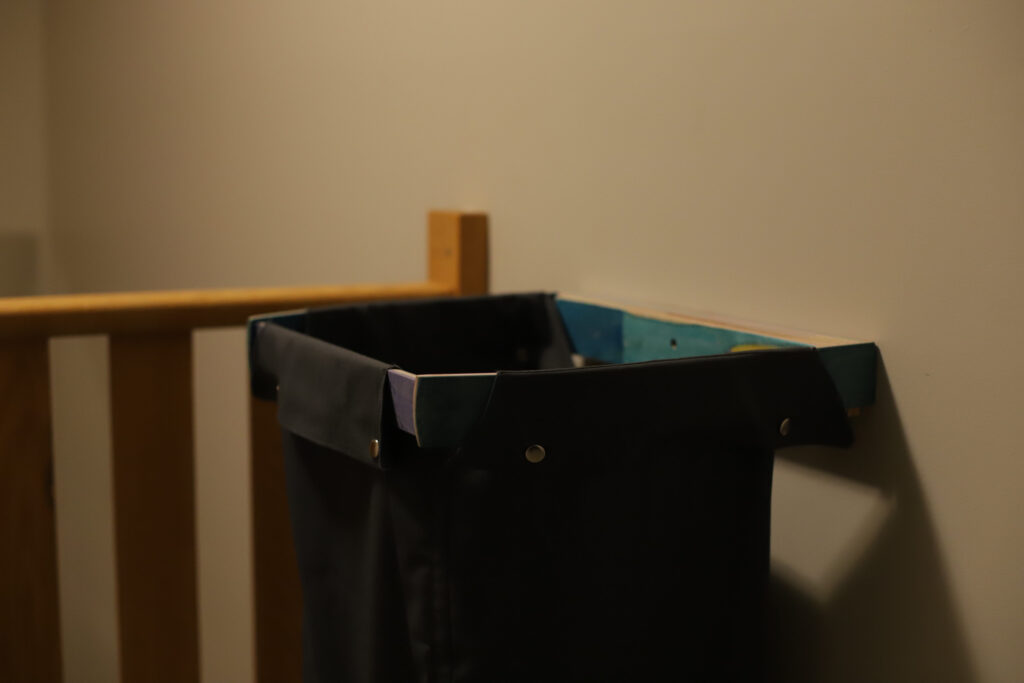
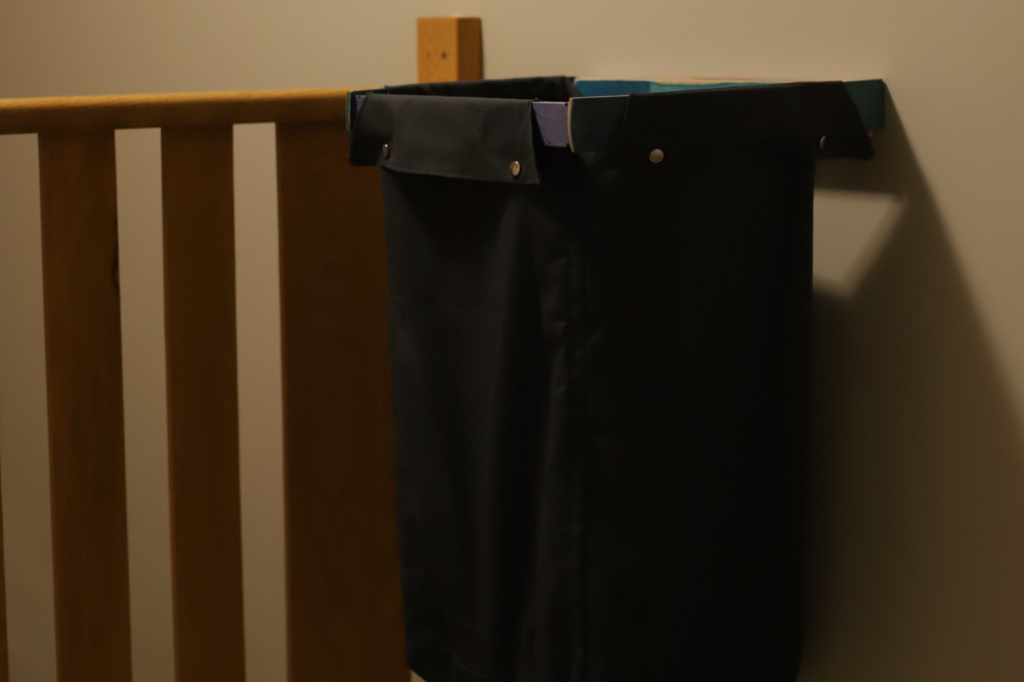
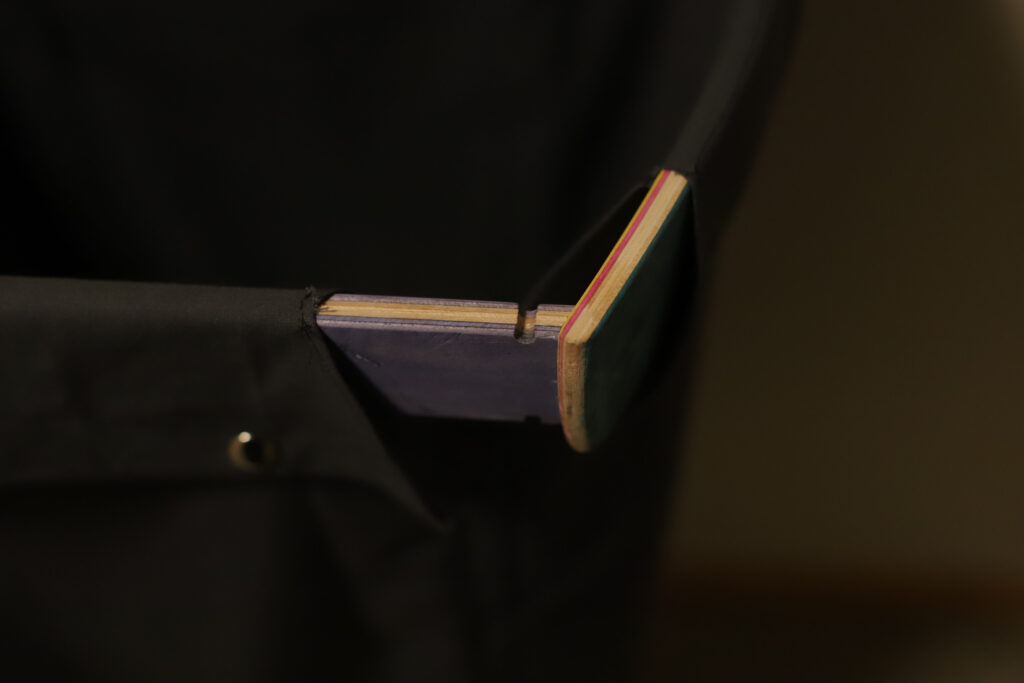
Josh posed the question “How might we develop a product using recycled materials which reminds the user of the global issue of clothing and product waste on a daily basis?” Josh designed a functional laundry basket that mounts at eye level to a magnetized bracket system made of recycled broken skateboards with the bulk of the basket being made from reclaimed wool fabric attached to a light weight reclaimed wood frame. Josh explains that
“The decision to use broken skateboards to craft the bracket system was two-fold. Skateboard waste is a large issue in that as soon as it has a crack, too many chips, or simply feels worn out, it gets thrown away. Many skateboarders can go through multiple boards per month. Secondly, the aesthetic of the multi-coloured stripes are unique and can add a fun yet subtle pop of colour and texture to a room.”

Josh Swanson from Wilson School of Design at KPU on Vimeo.
People’s Choice Award: Sea Pillow Talk (Georgia Martin)

The People’s Choice Award winner was selected through a social media voting campaign. Georgia’s goal was to
“bring awareness to the ocean’s vital role in stabilizing our delicate environment and show the beauty found under the sea. Inspiring people to get involved with the daunting task of restructuring our society around prioritizing our sacred Earth.”
Georgia continued to explain how she will showed this concept by building a “wearable bubble displaying the view of what a fish would see swimming in the ocean. I want to highlight the mystical colours the sea holds and show how precious and delicate the ecosystem is. As well as our devastating impact on the natural world.”

Georgia Martin from Wilson School of Design at KPU on Vimeo.
