
As a self-proclaimed broke college student, ramen naturally makes up a large percentage of my diet. Unfortunately, after a while, any food can grow tiresome if you have it too often. What’s the solution, you ask? Miso!
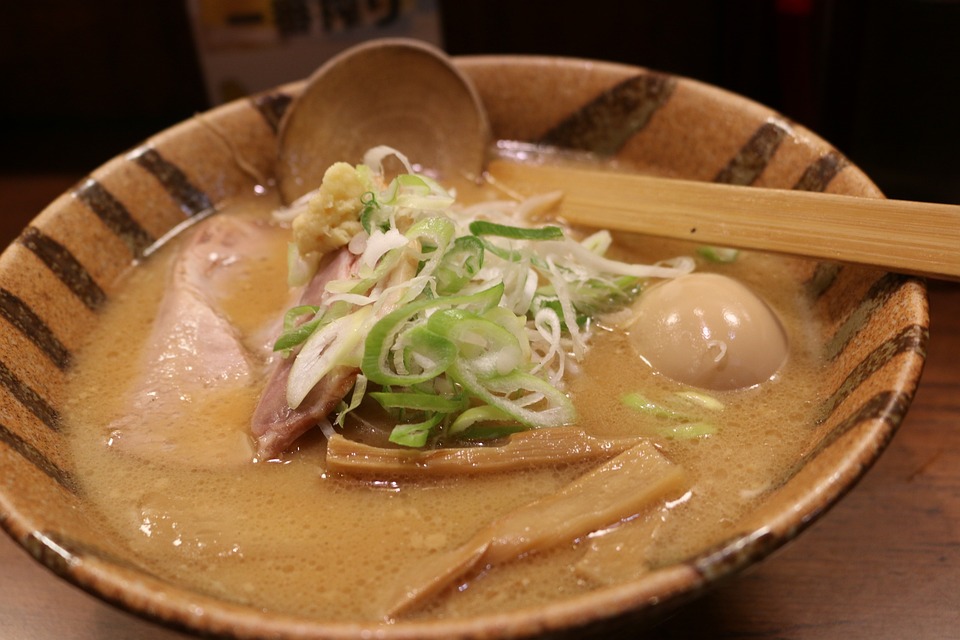
Miso is commonly used to flavour soup stock, enhancing it with a unique fermented soy flavour. Many people only know it as the soup commonly made with it, commonly used as an appetizer in Japanese restaurants. (Image credit to Hoyas on Pixabay)
Most commonly used to add a distinct flavour to broths, miso is a paste most commonly associated with Japanese cuisine! It’s made of fermented soybeans, providing a deceptive amount of nutrients including protein, vitamin K and calcium. It’s also inexpensive, providing over a week’s worth of meals for less than $10!
Fermentation is an incredibly ancient method of preparing food, dating back to around 6000BC. It’s well-known that it preserves and adds a distinct flavour to foods, but did you know it can also give it unique health benefits? Through a unique preparation method of introducing microbes to food to preserve it, it’s theorized that nutrients may become more bio-available than they were before. The process can also add whole new nutrients altogether!
While miso is its Japanese name, did you know it’s actually considered to have originated in China? Its first counterpart is thought to have first been used before the Chau dynasty, way back in 722BC. It even predates soy sauce, which is considered to have been created around 500BC. It isn’t thought to have been brought to Japan until about a thousand years later, around 540AD. It wasn’t introduced to westerners until the turn of the century when a German researcher published an article on it in 1893!

Soybeans are incredibly versatile, able to be made into anything from miso to tofu! (Image credit to allybally4b on Pixabay)
Miso’s ingredients include soybeans, salt, rice, and wheat or barley. The length of time it is fermented for depends on the desired flavour profile of the paste – anywhere from two weeks to several months. The longer its left to ferment, the stronger its flavours become. Soybeans are already known for their high protein content, but the process of fermentation increases the bioavailability of several of its nutrients, making miso a better source for several vitamins than its non-fermented counterpart. It also becomes delicious!
Next time you’re considering what meals to make over the week, consider picking up some miso paste for easy breakfasts – or pairing it with dashi broth for a more traditional taste. Just make sure not to bring the miso itself to a boil; it dulls the taste.
Now if you’ll excuse me, I’ve made myself hungry.
All outside information for this blog post is sourced from: Farhan Saeed, et al. "Miso: a Traditional Nutritious & Health-Endorsing Food Product." Pubmed Central. Published September 2022. https://www.ncbi.nlm.nih.gov/pmc/articles/PMC9731531/

