Three Types Of Packaging
Primary Packaging
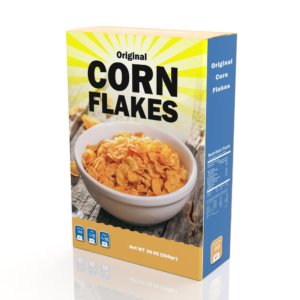
Primary packaging is the packaging in direct contact with the product itself and is sometimes referred to as a consumer unit. The main purpose of primary packaging is to contain, protect and/or preserve the finished product, particularly against contamination. This is the first layer containing the finished product, such as a plastic pouch holding whole-grain cereal or the cardboard box containing the pouch of cereal. This type of packaging is often intended for the end-user or consumer. In addition to making it easier for consumers to handle products, it makes the products look more appealing and can be used for communication purposes to convey printed information about the products to consumers.
Secondary Packaging
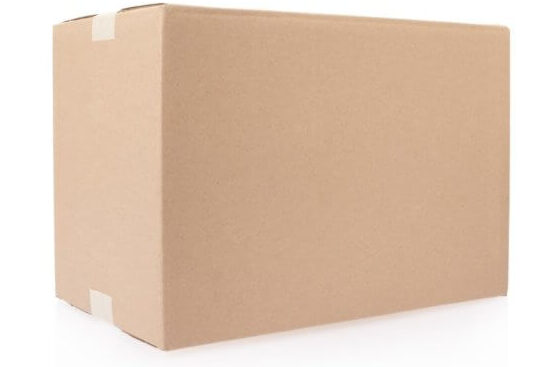
This type of packaging is used outside of primary packaging to group a certain number of products to create a stock-keeping unit, commonly referred to as an SKU. It facilitates the handling of smaller products by collating them into a single pack. This type of packaging also provides supplementary protection to help maintain the integrity of the primary packaging. In addition, it can serve as a shipping container for small shipments, making it highly useful in e-commerce. Secondary packaging is frequently made up of multiple components (box, padding, separators, reinforcements, bags, paper, etc.). It may also be customized to make a product easily identifiable in the warehouse setting. In the case of cereal, for example, the secondary packaging would be the corrugated cardboard box containing multiple individual boxes of cereal.
Tertiary Packaging
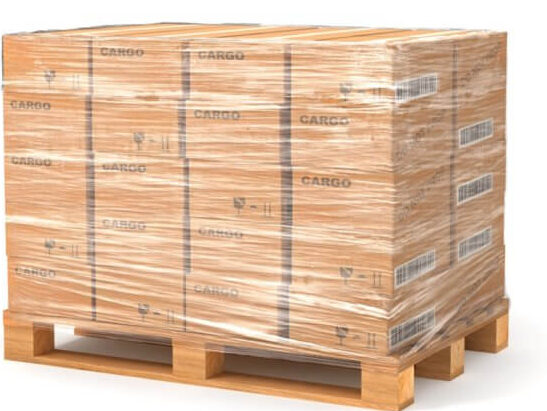
Often also referred to as bulk or transit packaging, this type of packaging is used to group larger quantities of SKUs to transport them from point A to point B (e.g. from the production facility to point of sale). During this stage, products are handled as distribution units. This type of packaging makes it easier to transport large and/or heavy loads safely and securely. In addition to helping prevent damage, it consequently facilitates the handling, storage, and transport of goods. An example of tertiary packaging is a stretch-wrapped pallet containing a number of cardboard boxes (secondary packaging) to enable efficient product shipping.
Three Common Types of Boxes In The World of Packaging
In the world of packaging, many people are confused about all the different types of boxes and the interchangeable terms used to describe them – Folding Cartons, Rigid Boxes, Set-up Boxes, Cardboard Boxes, Corrugated Boxes, Paperboard
Boxes etc.
5 Factors To Consider When Choosing Packaging Materials
Any warehouse manager knows that the right packaging material can help reduce breakage, product returns, tampering, spoilage and a slew of other things. In general, look for the following quality in packaging materials:
1. Durable and high quality
Before ordering en masse, learn about the product you want by getting samples and comprehensively testing for build quality and durability. Many entrepreneurs tend to skip this process altogether and end up with poor quality packaging materials or materials that aren’t necessarily the right fit for the job.
2. Cost-effective and convenient
As we’ve established before, price isn’t everything when it comes to choosing packaging supplies, but it still has a significant impact that should not be overlooked. Find products and suppliers that offer the right balance between price and quality.
Additionally, consider the convenience and ease of dealing with a supplier. Do they deliver all over Australia? Avoid delays by asking them how many days it would take to deliver your order. Ask these questions and other policies to ensure that you’re getting the packaging supplies in the most convenient way possible for you.
3. Tamper-evident and secure
Another important factor to consider in choosing packaging materials is security. Go for products that have safety features and tamper-evident seals. Use products such as container seals, shrink wraps, water-activated tapes and poly straps as a deterrent for tampering and theft. Opaque wraps also helps in obscuring the products for extra security.
4. Environment-friendly and legally compliant
The Australian Government and the National Environment Protection Measure strongly support the Australian Packaging Covenant in managing the environmental impact of packaging. As such, suppliers and consumers alike should share responsibility in the reuse, reprocessing, and conservation of packaging supplies.
Choose products that are environmentally-friendly and legally compliant with logistics and shipping laws and regulations. Also, make sure that the products you are buying don’t infringe on pre-existing copyrights and patents.
5. Comes with quality customer service
Aside from product quality, packaging supplies should come with decent customer service. Instead of just looking for products, find a partner supplier who can assist you, and get the best out of the company’s budget. Great customer service can help find solutions to your packaging problems.
Sources
Cartier Optimized Packaging. (August 9th, 2019). Primary, Secondary, and Tertiary Packaging: What’s The Difference?. Retrieved December 8th, 2020 from https://www.emballagecartier.com/en/article/primary-secondary-and-tertiary-packaging-whats-the-difference/
Greasley, S. (July, 16th, 2014). Three Common Types of Boxes In The World of Packaging. How to buy Packaging. Retrieved December 8th, 2020 from https://howtobuypackaging.com/common-types-of-boxes/
Greasley, S. (May 14th, 2013). Box Styles for folding Carton. How to buy Packaging. Retrieved December 8th, 2020 from https://howtobuypackaging.com/box-styles/
Greasley, S. (July 27th, 2016). Types of packaging Corrupted boxes. How to buy Packaging. Retrieved December 8th, 2020 from https://howtobuypackaging.com/types-of-packaging-corrugated-boxes/
Greasley, S. (April 19th, 2017). Corrupted boxes Styles. How to buy Packaging. Retrieved December 8th, 2020 from https://howtobuypackaging.com/corrugated-box-styles/
Greasley, S. (April 12th, 2015). Packaging Costs for your Product – Rigid Boxes. How to buy Packaging. Retrieved December 8th, 2020 from https://howtobuypackaging.com/packaging-costs-for-your-product-rigid-boxes/
Greasley, S. (June 3rd, 2018). Types of packaging – Rigid Boxes (setup). How to buy Packaging. Retrieved December 8th, 2020 from https://howtobuypackaging.com/types-of-packaging-rigid-boxes/
Admin, A. (January 17th, 2019). 5 Factors To Consider When Choosing Packaging Materials. Hunter Industrial Supplies. Retrieved December 8th, 2020 from https://www.hunterindustrialsupplies.com.au/blog/qualitiesofpackaging/