For this design reflection, I began to explore more of the packaging and understand the concept behind it. In the following video, it displays about how design can always be better and getting inspired to design for the consumers. To understand packaging nowadays is not only about protecting the product, it is part of the product. As a product designer, we look at more of how the package is form/shape (provide unique shape) and graphics. The consumers always wanted to have a streamlined package, they do not want any empty air inside. This video is an eye-opener for me because realized how the shape, material, and graphics play an important role to have an efficient package style. Reducing less material to be fit exactly to the product and forming shapes for packaging are certain components to attract consumer attention and buy the product.
After this video, I began to do some research about paperboard packaging so I can understand which packaging application is been consumed more and focus on provided concepts ideas, and sketches. According to, packaging strategy news report, 60% of paperboard packaging is been used for food sections, for instance, dairy products, beverages, dry food, candies, frozen food, etc. Also, Paperboard packaging can be segmented into four parts which are type, application, grade, and regional. The type of paperboard packaging I am going to be focused on is box board and the application is food packaging since it has the highest consumed package. For food packaging, I am going to be focused on mainly food store packaging (Secondary packaging).
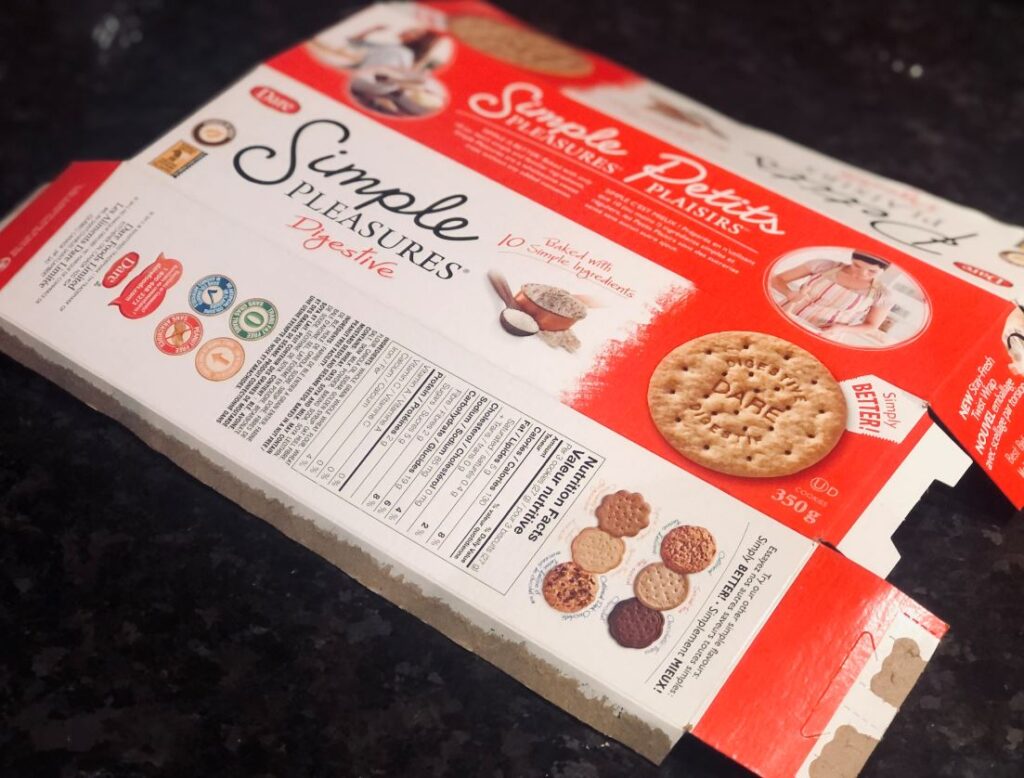
In the following figure (1), at home, I have looked at the simple pleasures digestive package and felt the texture of it the package. The package was thin, durable, and easy to fold to create shapes, and it is 100% recyclable. I found another package at home which is glad kitchen catchers bags and it mentioned that it is made 100% recycled paperboard with a minimum of 35% post-consumer content.
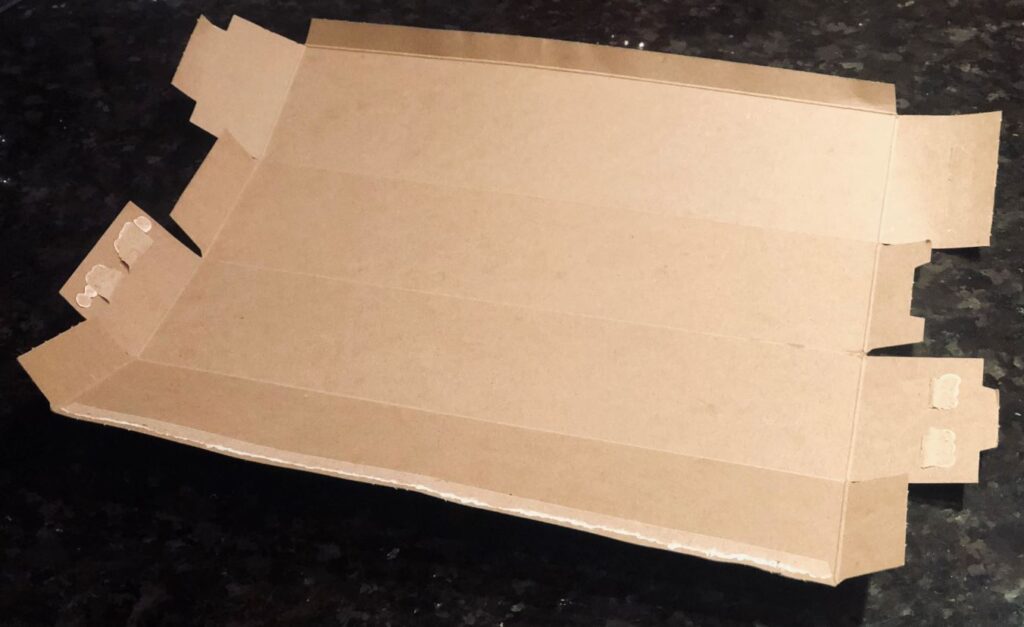
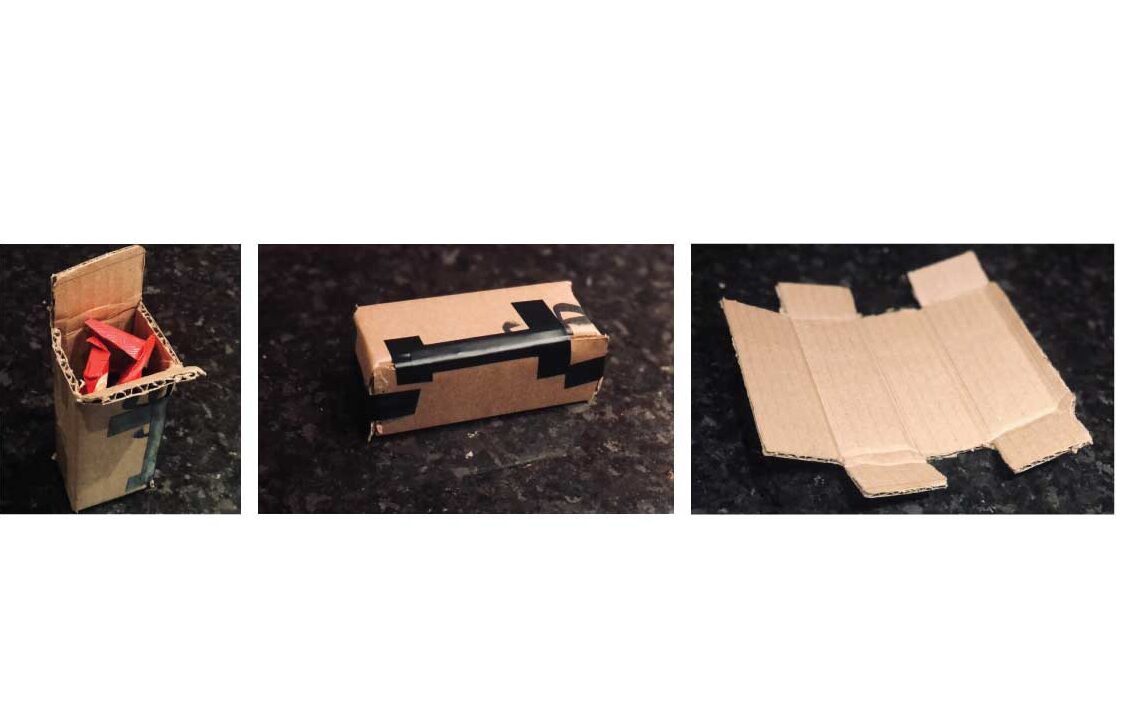
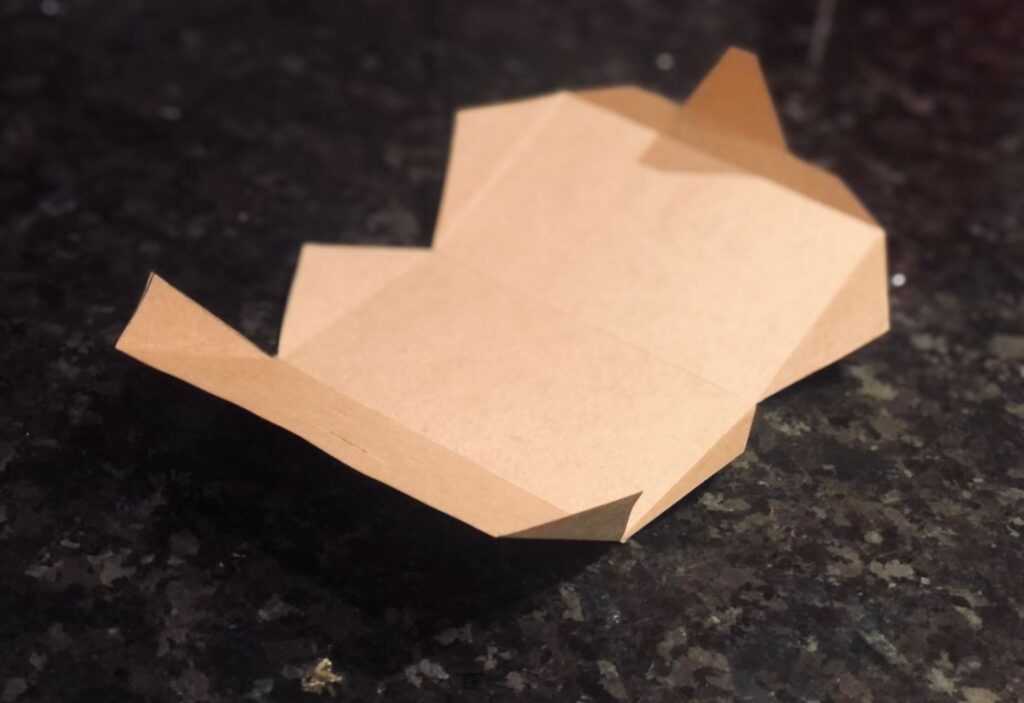
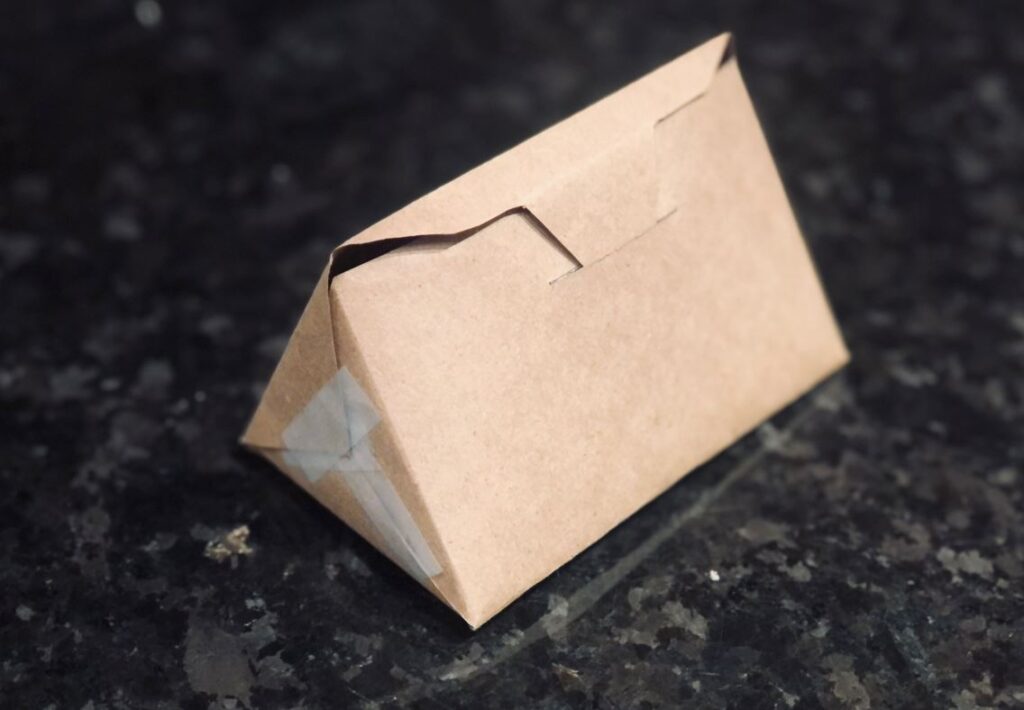
In the following figure (2), I have tried to test cardboard how can be packaged, and it did not work well because of the multi-layer material, it is too thick and hard to bend to create shapes.
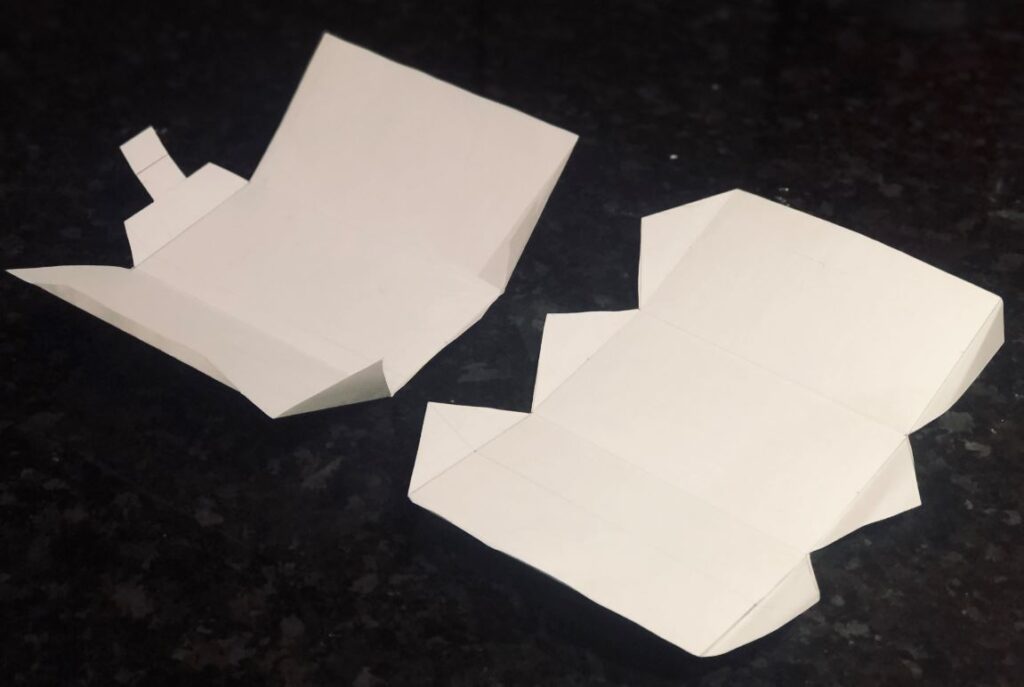
In the following figure (3), I started to create another shape that is made out of regular paper to play with the shape and understand how the package works. It is very easy to work with this paper material because of its thickness and lightweight.
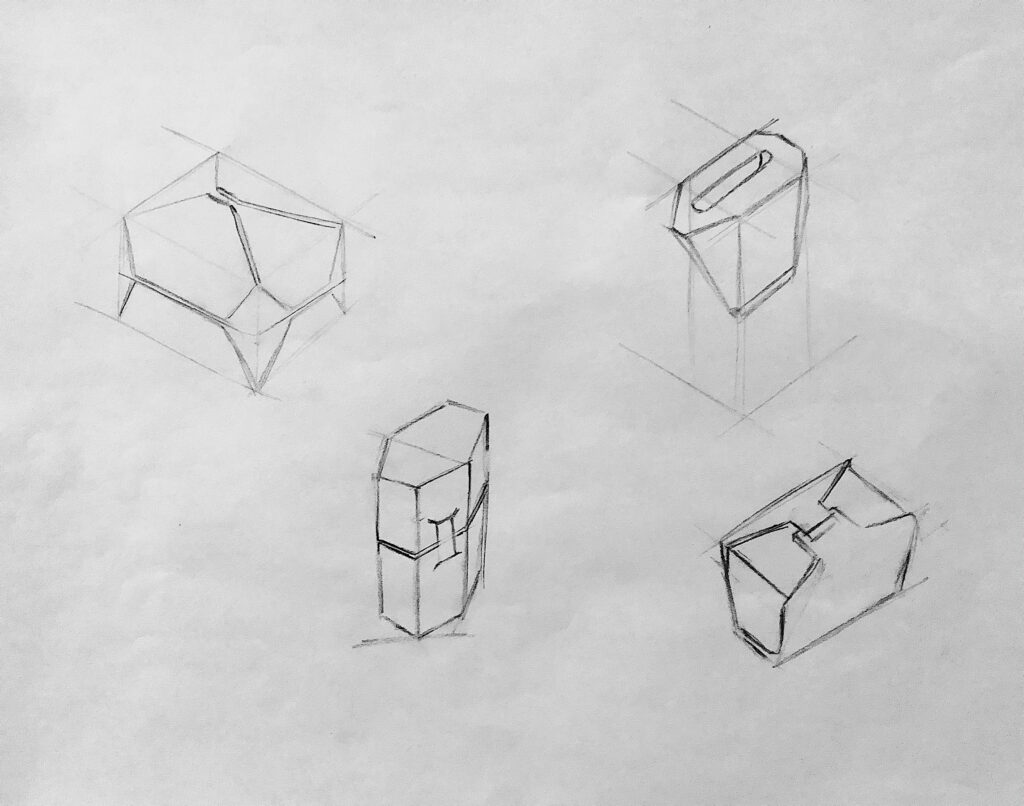
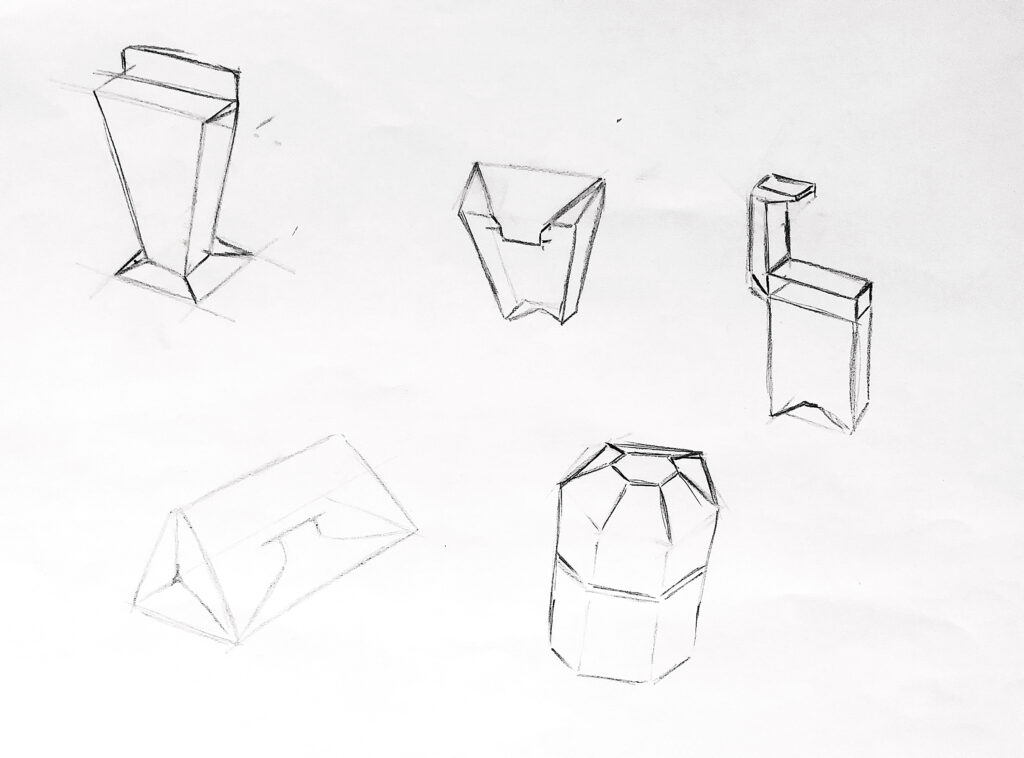
The following figure (4), displays sketches of secondary food packaging which is made by hemp material.
The steps that I am going forward to it is trying to do research about hemp packaging in terms of freezing temperature, going to see or research about local recycle depot, and understanding paperboard recycling and hemp paper recycling, see what systems in place and what hemp packaging are been used in BC. Providing more research into these categories that I mentioned and place in the secondary research.
I will try to contact other stores to see how paperboard can be packaged or bring paperboard packages to start prototyping and testing shapes. I have contacted BC Box manufacturing ltd and asked for one sample of paper board or at least to buy one they refused. BC Box manufacturing ltd mentioned that if I want to purchase paperboard it starts with a 500 paperboard package to order.
I found a great resource for packaging and label requirements for hemp packaging that comes from the government of Canada. On Tuesday, November 24t,2020 I am excited to attend an event about hemp futures at 2:00 pm in the UK region, and hopefully I would gain more insights and understand about hemp uses.
Sources
American Forest and Paper Association. (September 19th, 2019). Paperboard Packaging Alliance: Getting Inspired. Retrieved November 19th, 2020 from https://www.youtube.com/watch?v=wL0i2VjTSO4&ab_channel=AmericanForestandPaperAssociation
PrintingForless. (March 14th, 2019). The Ultimate Guide: How To Choose the Right Packaging for Your Product. Retrieved November 19th, 2020 from: https://www.printingforless.com/blog/packaging/the-pfl-guide-to-choosing-the-right-packaging-for-your-product/
Flock online. (2020). Hemp Futures. Retrieved November 19th, 2020 from: https://flock.thebarnarts.co.uk/hemp-futures
Saxon Packaging. (2020). Difference between primary, secondary & tertiary packaging. Retrieved November 19th, 2020 from: https://www.saxonpackaging.co.uk/difference-between-primary-secondary-tertiary-packaging/
Government of Canada. (December 9th, 2020). Packaging and labeling guide for cannabis products. Retrieved November 19th, 2020 from: https://www.canada.ca/en/health-canada/services/cannabis-regulations-licensed-producers/packaging-labelling-guide-cannabis-products/guide.html
Cannasupplies. (2020). Cannabis Packaging. Retrieved November 19th, 2020 from: https://cannasupplies.ca/product-category/dried-cannabis/
Kishbaugh, G.(March 1st, 2018). Packaging Strategies. Packaging Outlook 2018: Paperboard Packaging Overview. Retrieved November 19th, 2020 from: https://www.packagingstrategies.com/articles/90260-packaging-outlook-2018-paperboard-packaging-overview#:~:text=Nearly%2060%20percent%20of%20all,dry%20foods%20and%20frozen%20foods.