

by Iuliia Astashova
“In some Native languages the term for plants translates to ‘those who take care of us.’ Just as we are bound in a covenant of reciprocity with our relatives in the plant world, so too are we bound to care for them in return.”
Robin Wall Kimmerer

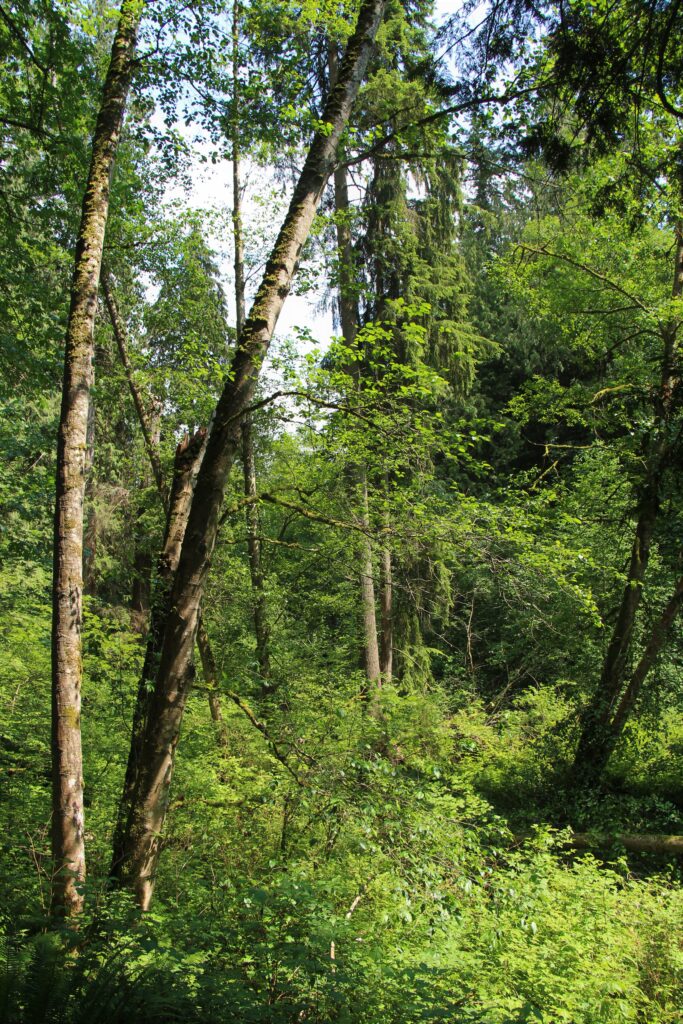
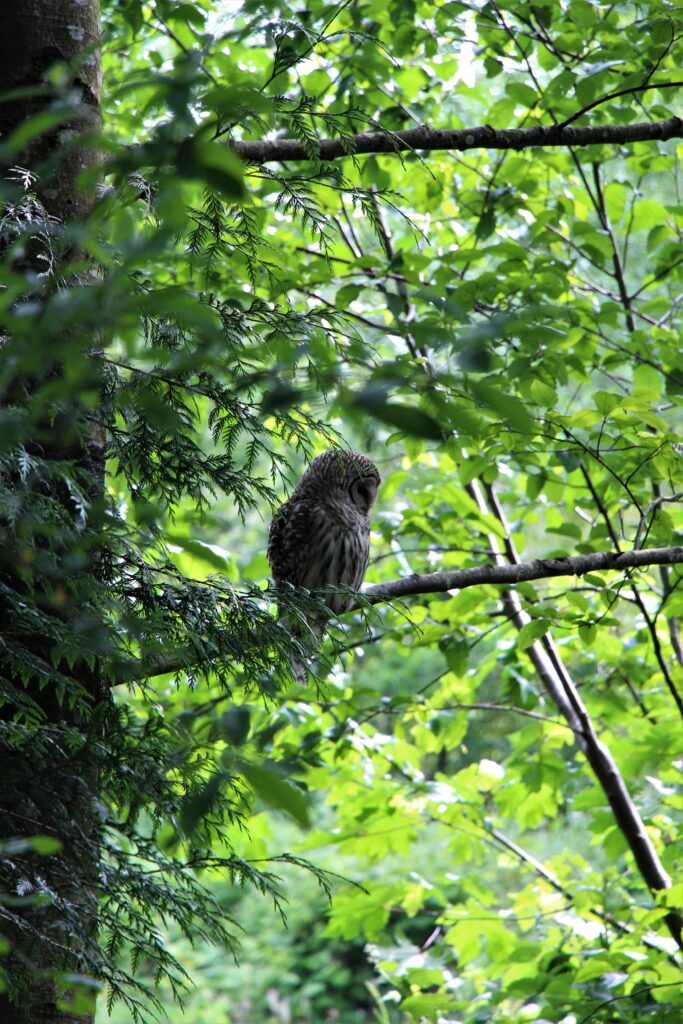
Trees were here long before us, and they’ll remain long after. They stand silently, tall and strong, shaping our environment and our wellbeing. Yet we often take them for granted, failing to recognize their true importance. This is a reminder to pause, reflect and embrace these incredible living beings.
Indigenous peoples have long understood the importance of trees. For many Indigenous cultures, trees are not just plants; they are essential partners in life. Trees provide food, shelter, medicine, and protection, supporting both animals and humans. Indigenous people have long relied on trees for practical tools like canoes, snowshoes, baskets, and cooking utensils. Among other uses are the manufacturing of fibers, bows, arrows, ceremonial items, and even medical drugs. Interestingly, Pacific yew is a source of taxol, a chemical that is used in treatment of ovarian cancer. Many Indigenous peoples follow the Honorable Harvest (Kimmerer, 2013), taking only what they need, recognizing that over harvesting could mean losing a vital resource.
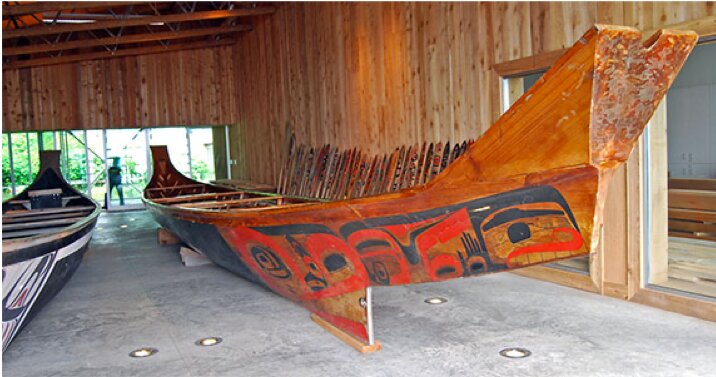
One tree, in particular, holds deep significance: the Western red cedar. Known as “Mother Cedar” in the Salish language, it has been essential for coastal Pacific Northwest Indigenous peoples. Its strong yet lightweight wood is perfectly suitable for crafting fishing nets, baskets, and ceremonial poles. But its value extends beyond practical uses. Cedar is believed to have healing powers, and it plays a key role in spiritual ceremonies.
For instance, Salish people place infants in cedar stumps to bless them with long lives. Burning cedar in rituals is said to remove negative energy and invite positivity. But harvesting cedar comes with a deep responsibility—improper harvest is believed to bring curses from other cedars. One Indigenous knowledge keeper in the film Cedar is Life shared that when pulling bark from a cedar they wait 80-90 years before harvesting from this tree (Andrews et al., 2022).

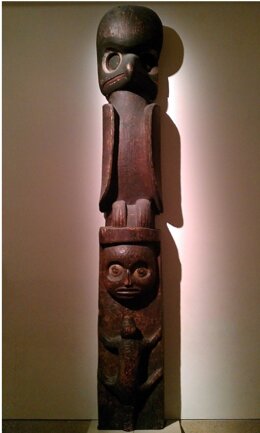
This relationship teaches us to be mindful and grateful for what trees give us. Indigenous communities focus on preserving these resources for future generations, offering a lesson in sustainability we can all learn from.
Science also highlights the uniqueness of trees. Ecologist Suzanne Simard’s TED talk reveals complexities of tree networks in the soil. Trees communicate through vast underground webs of roots and fungal hyphae, sharing carbon and nutrients to support each other, particularly in times of need. This provides evidence for their interconnectedness and increases resilience against diseases. Yet, as human activities disturb forests, we disrupt trees and wildlife, endangering the entire ecosystem.
Acknowledging the cultural, practical, and scientific importance of trees should inspire us to reevaluate our relationship with them. We need to move beyond taking and start giving back. So, what can we do? Planting new trees, reducing consumption of products that contribute to deforestation, and supporting sustainable forestry are ways we can ensure the survival of forests. By educating others about the vital role trees play in our world, we can encourage collective action to protect and nurture them.
References:
Andrews, G., Bland, L. D., & Joe, H. (Directors). (2022). A cedar is life [Film]. Less Bland Productions & Orca Cove Media.
Don’s Maps. (n.d.). Canoes of the Pacific Northwest Coast [Photograph]. Don’s Maps. https://www.donsmaps.com/canoesnwc.html
First Nations and Indigenous Studies, University of British Columbia. (n.d.). Cedar. Indigenous Foundations. https://indigenousfoundations.arts.ubc.ca/cedar/
Indigenous Corporate Training Inc. (2018, October 24). Indigenous sacred plants: Cedar. Indigenous Corporate Training Inc. https://www.ictinc.ca/blog/indigenous-sacred-plants-cedar
Kimmerer, R. W. (2013). Braiding sweetgrass. Milkweed Editions.
Moerman, D. F. (1998). Plant use by Native Americans. In Native American Ethnobotany, pp. 11-18. Portland: Timber Press.
Montana Naturalist. (n.d.). The power of the Western red cedar. Montana Naturalist. https://www.montananaturalist.org/blog-post/the-power-of-the-western-red-cedar/
Science Rendezvous. (n.d.). Why trees matter: A First Nations perspective. Million Tree Project. https://www.sciencerendezvous.ca/million-tree-project/en/resources/why-trees-matter-a-first-nations-perspective/
Simard, S. (2016, June). How trees talk to each other [Video]. TED Conferences.https://www.ted.com/talks/suzanne_simard_how_trees_talk_to_each_other
Leave a Reply