

Extruding post-consumer plastic can by difficult. Depending on the extruder settings, filament brands (assuming its the same type of plastic), degrees of cleanliness, exposure to UV rays or other factors, how old the filament is, what humidity level(s) it was stored at/exposed to, if it has been recycled already, and many more.
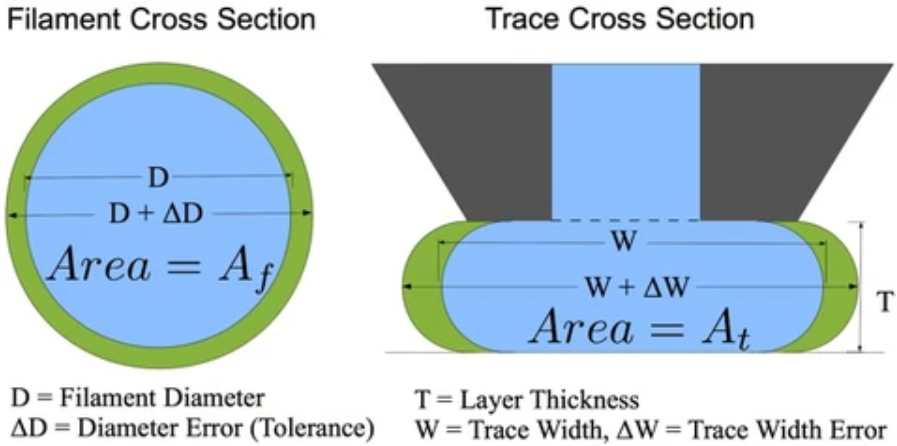
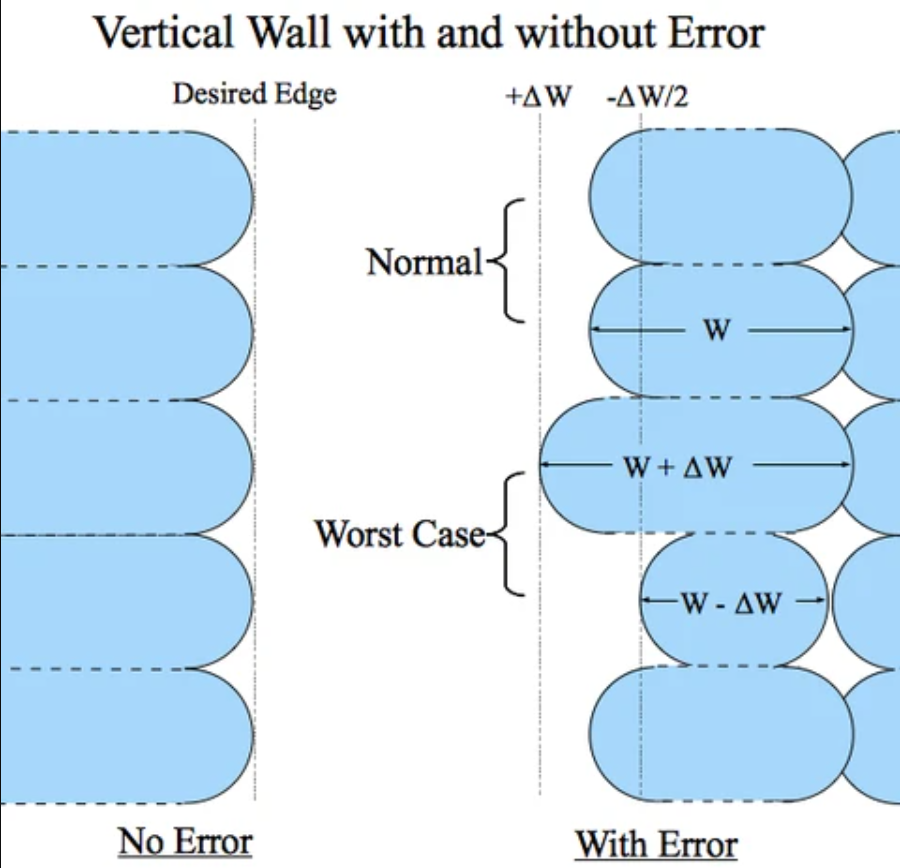
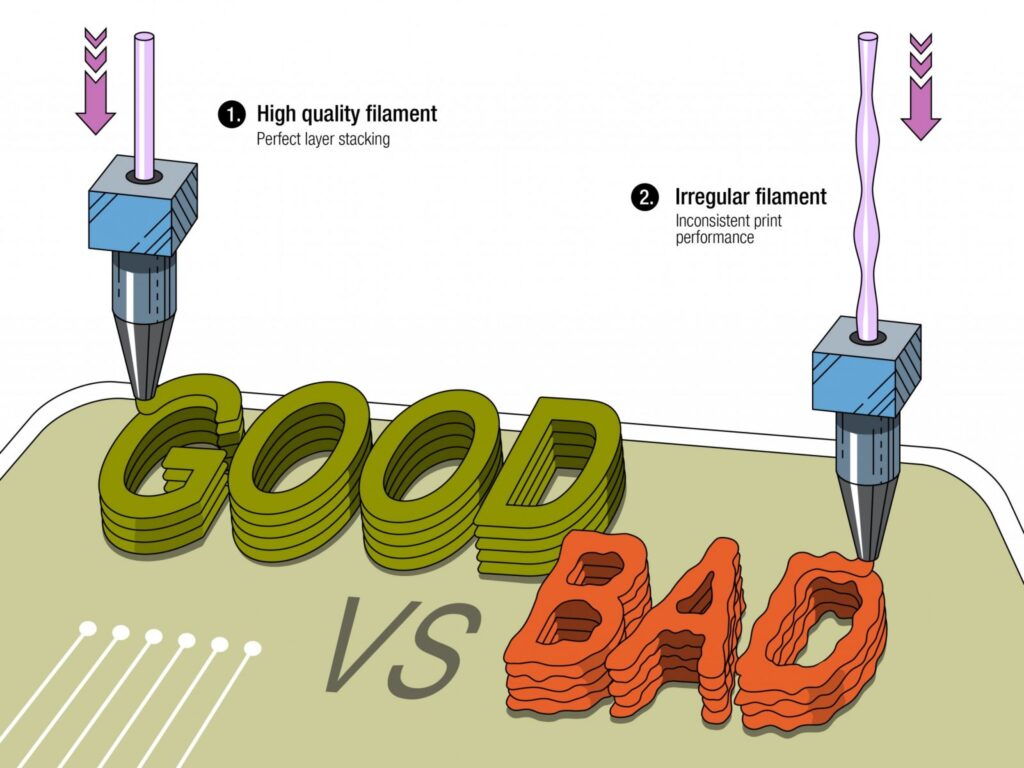
Filament diameter is one of the main considerations when extruding filament. If the diameter is too large, it may not fit in the extruder or could lead to other complications like a clogged nozzle. If the diameter is too small, not enough plastic will be extruded when 3D printing, resulting in brittle, thin walls or under extruded areas of the print or the extruder teeth may not catch the filament at all. Another issue with inconsistent filament diameter is the variation produced by the extruder (Filabot, 2018). Using the typical 1.75mm filament with a ±0.05mm industry standard tolerance, it equates to 2.86% error diviance.
Precision 3D Filament, 2014
Precision 3D Filament, 2014
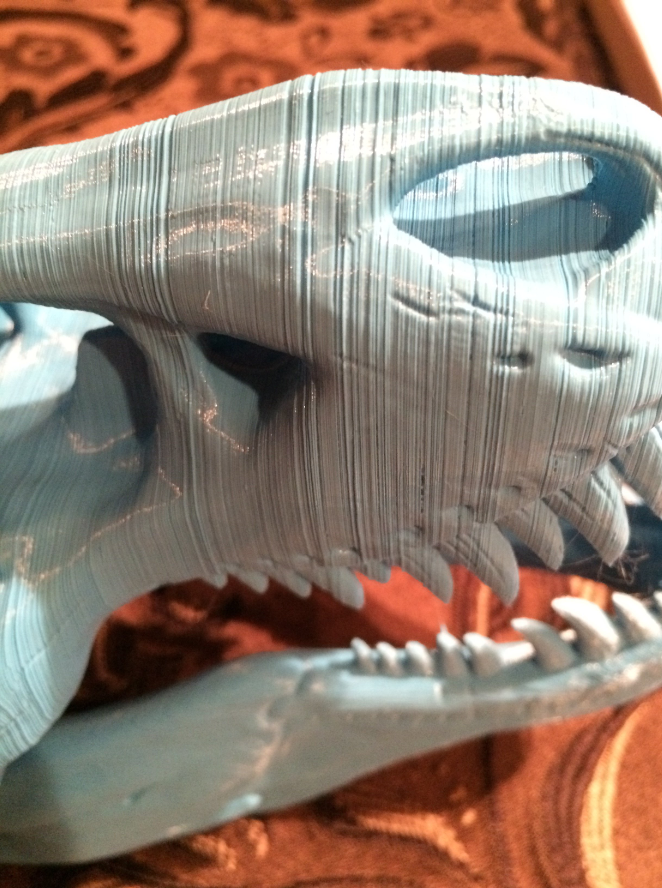
Here is an example of filament inconsistency in a print. When the layers are printed, different amounts of filament is being extruded based on the diameter of the filament. The indented layer lines in the picture below are a result of a thinner section of the filament, pushing out less material through the nozzle and creating a smaller trace width (refer to picture above.
Kwallnation, 2015
Le Bouthillier, 2016

Le Bouthillier, 2016
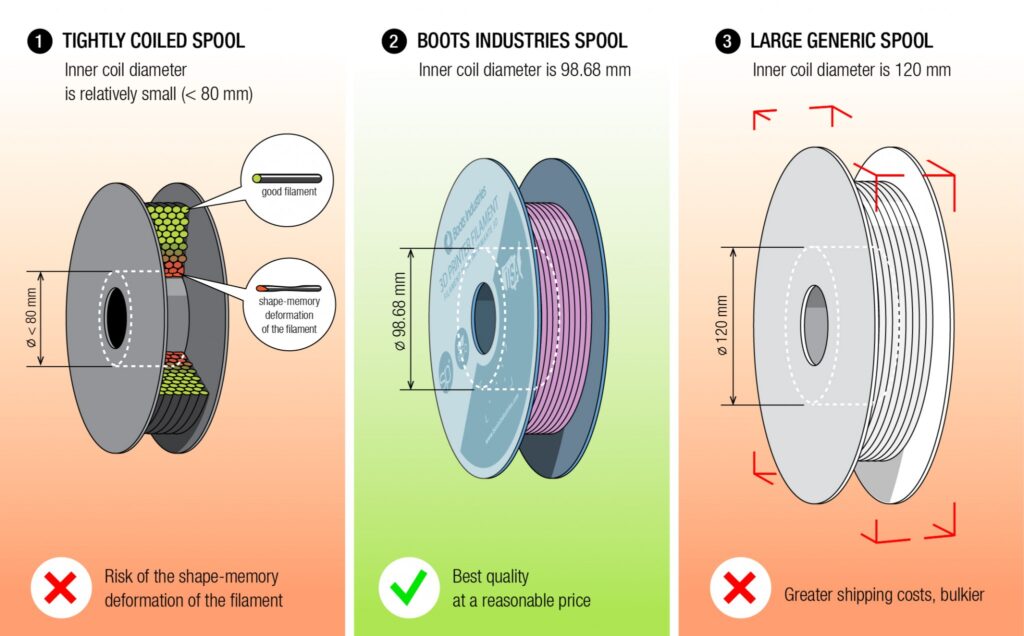
Le Bouthillier, 2016
My Two Sent.’s: Although it will be difficult, I am optimistic about extruding recycled filament through the Filabot EX6 Setup as it is one of the top commercial DIY plastic extruders. I am looking forward to being able to experiment with the machine and learning how the different settings impact different aspects of the output.
Kwallnation. (November, 2015). Uneven layers? Although I print at .1 mm I am still able to see every layer…help please. Ultimaker Community of 3D Printing Experts. Retrieved from https://community.ultimaker.com/topic/11890-uneven-layers-although-i-print-at-1-mm-i-am-still-able-to-see-every-layerhelp-please/
Le Bouthillier, J. (January, 2016). The Importance of High Quality 3D Printer Filament. Boots Industries. Retrieved from http://bootsindustries.com/the-importance-of-high-quality-3d-printer-filament/
Precision 3D Filament. (July, 2014). Filament Tolerances. Retrieved from https://precision3dfilament.com/blogs/news/15202543-filament-tolerances