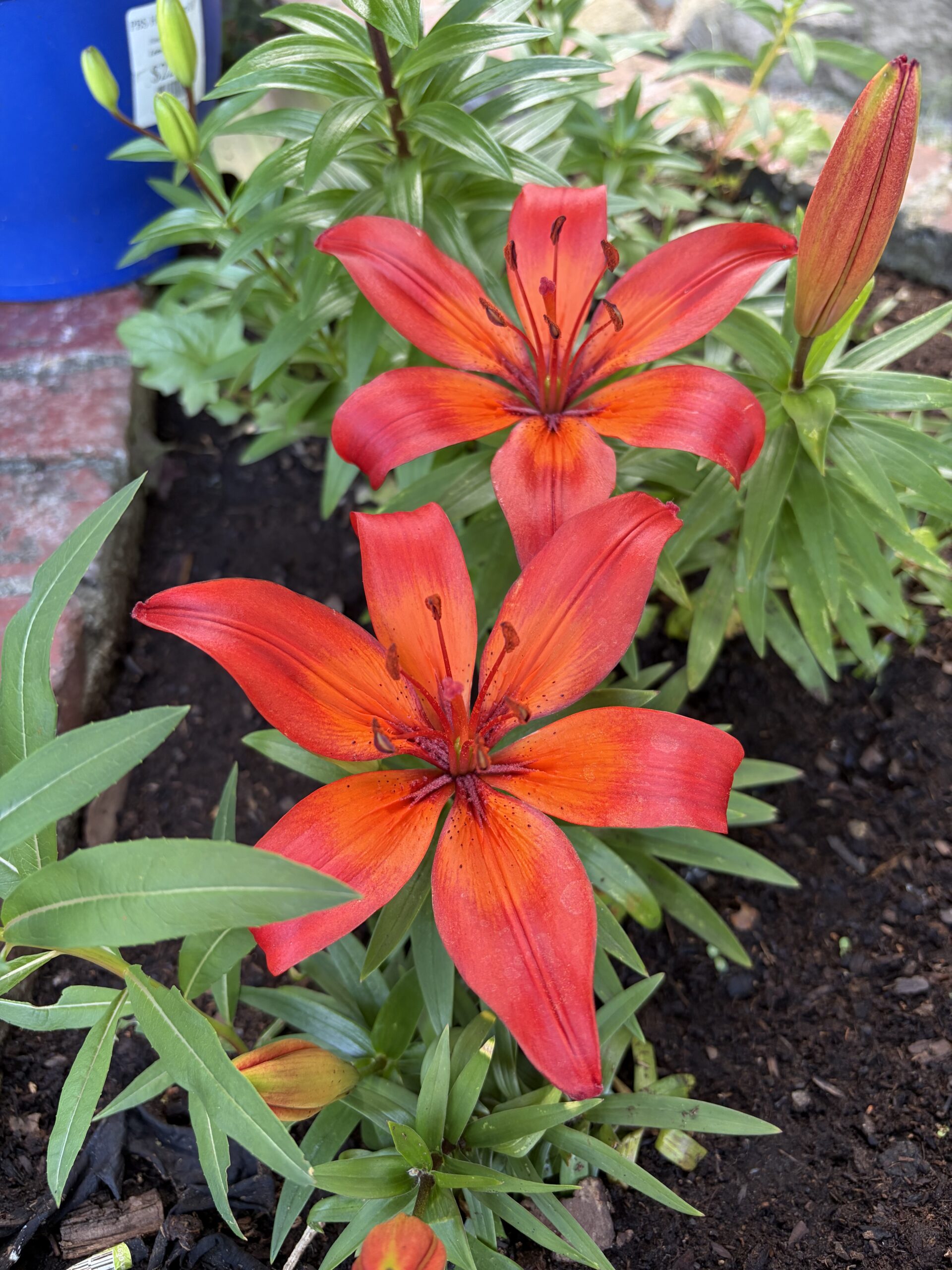
“Three weeks ago, my group and I started working on the garden. Now, a few tiny sprouts are finally appearing. In any other part of my life, I would call that terrible customer service.”
Week 1: Preparing the Soil
The first day at the garden bed, we were told not to start planting anything. Instead, we spent the time in class fixing and preparing the soil. We did that by loosening the soil, clearing the area of weeds, and preparing the garden bed for planting next class. At the time, it felt like we were not accomplishing much because we hadn’t planted our seeds right away. However, looking back, I realized that for plants to grow and be nourished properly, the soil has to be prepared well.
Having patience and waiting is so hard because we live in a world where most things are available instantly. For instance, if I want food, I can go to a grocery store and, if not, I can order something online and receive it within a few days or even the next day (Amazon Prime). So waiting has become something we all try to avoid. Hence, spending most of the class preparing soil felt somewhat different from the fast-paced world I am used to. It was a calming experience for sure.
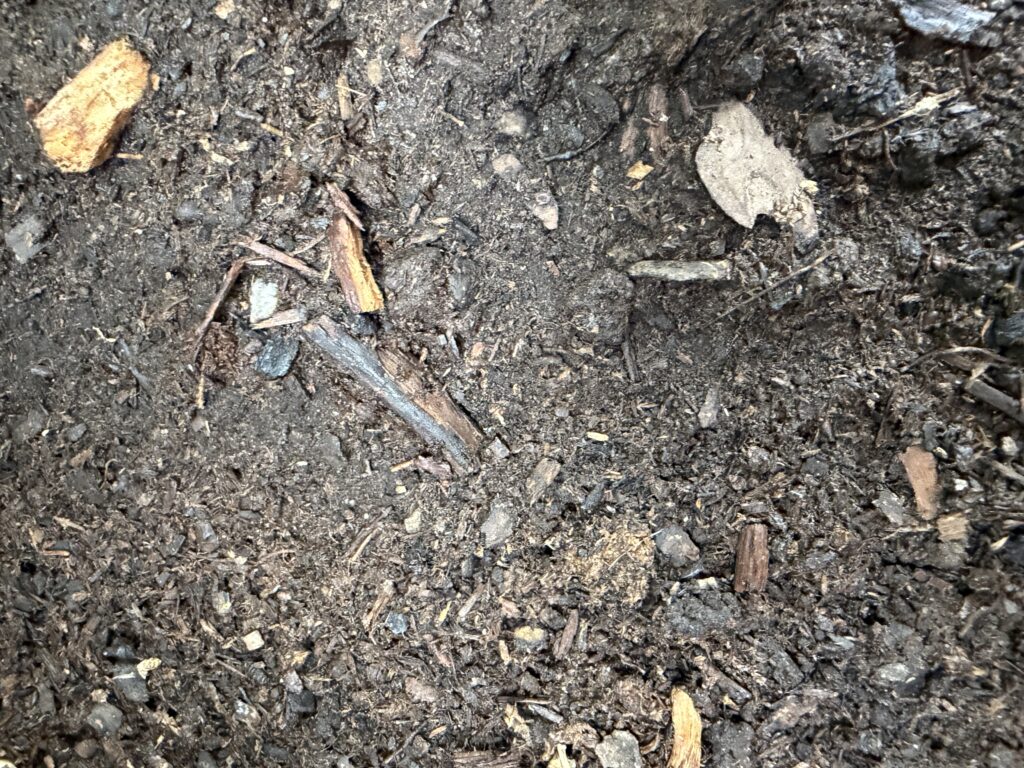
The garden bed just had dirt to prepare before planting
Week 2: Planting 🪴
During the second week of gardening, we returned to the garden beds and finally planted some of our seeds. I was excited to see what would happen next time I saw them. This experience made me think about the treadmill of production. According to Stretesky et al. (2013), modern economic systems are driven by growth, production and getting things done quickly. Whereas, gardening felt the complete opposite of this. Rather than expecting results right away, we had to be patient and allow the seeds to grow. The seeds, of course, do not care about deadlines or having schedules. They simply grow at their own pace.
Week 3: The Sprouts of Life ☀️
In the third week, some of the seeds my group and I had planted had started to grow. The growth of the seeds is currently small; however, seeing the first sprouts felt rewarding. Especially, after spending so much time preparing their home and planting it. Also, whenever I look at plants, I always wonder, “What would plants say if they could talk?”
“You planted me last week, and you’re already checking on me?”
“You expect instant results?” “I’m growing and taking my sweet time.”
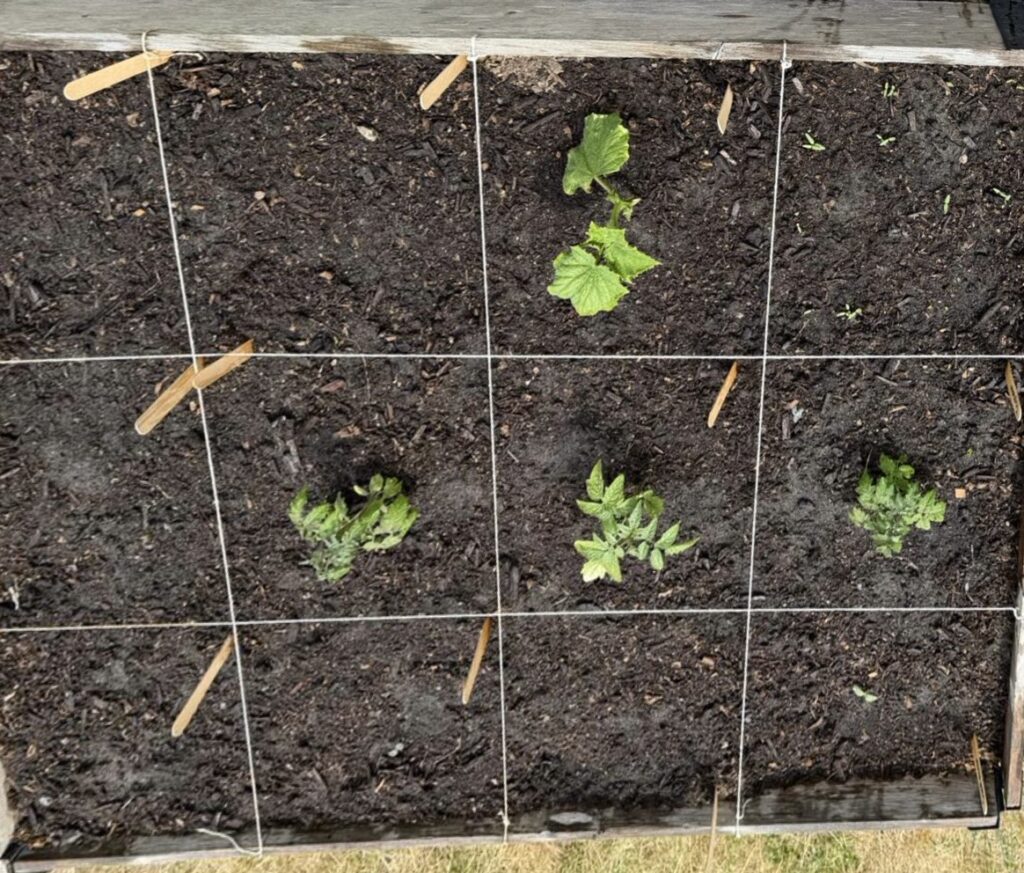
Some sprouts finally started to appear.
It made me think about how the expectations people have around food can be strange. Walters (2024) explains about how modern food systems give consumers food from around the world. It is because of this food is always available. That makes it easy to forget how much effort, time, labour, soil, and water go into producing it and bringing it to stores. Similarly, Brisman and South (2013) talk about green cultural criminology, which helped me think about how consumer culture affects our beliefs and behaviours. Also, it made me realize that so many of us do not realize the time that is required to produce the food we eat. It is because nowadays, people are glued to their phones.
Everything is Connected 🌎🔁
Through the process of gardening, I learned that the garden relates to cyan criminology, which combines green and blue criminology. It reminded me that ecosystems are interconnected. This is why whatever happens on land can also have consequences for rivers, lakes, and oceans (climate change). Also, green criminology encourages us to think critically about our relationship with the environment. I have learned so far from gardening is that nature operates on its own timeline.
“Nature was never meant to work like Amazon Prime” 🚐📦
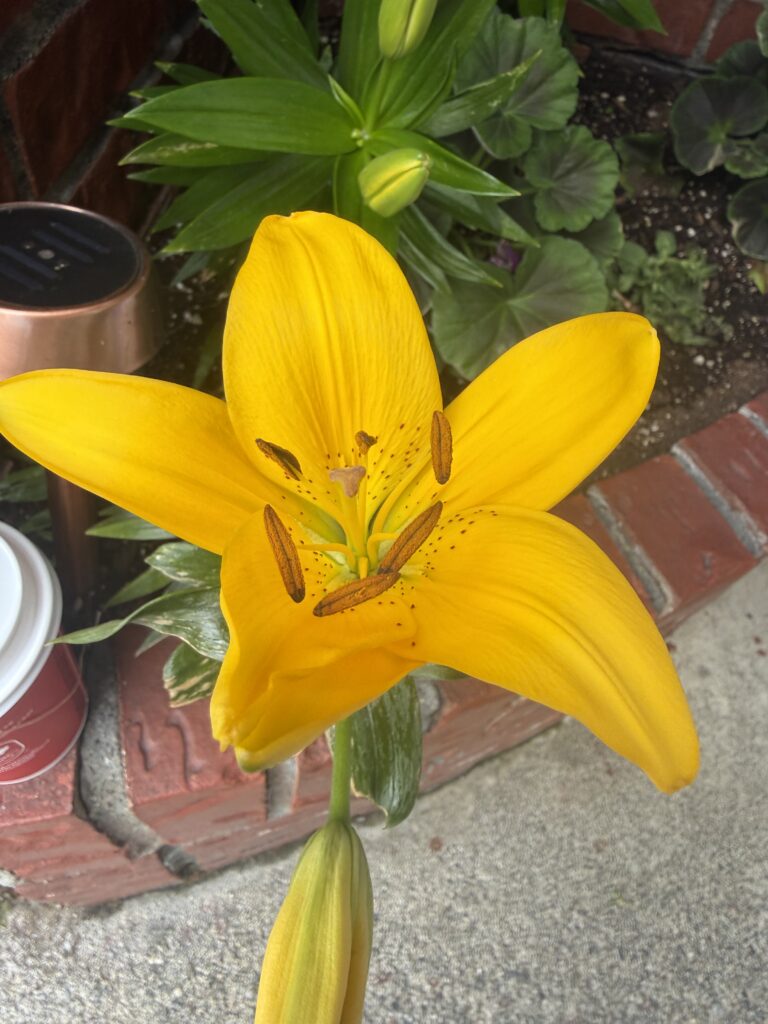
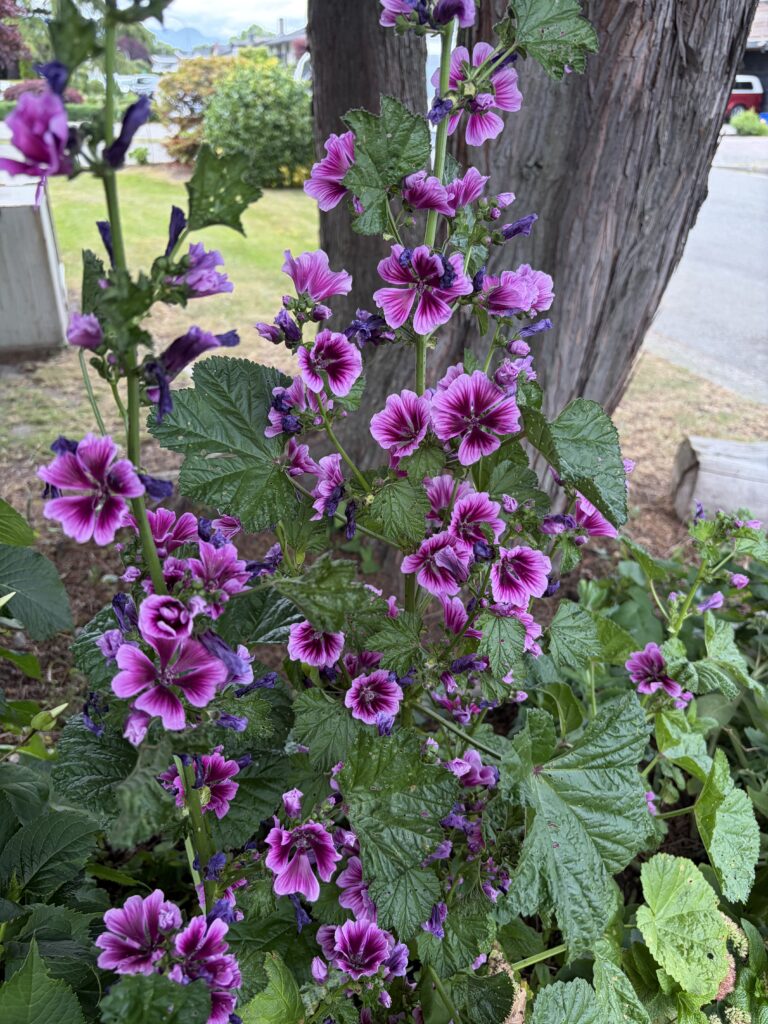
Flowers I grew at home
*Edited by Grammarly*
References
Brisman, A., & South, N. (2013). A green-cultural criminology: An exploratory outline. Crime, Media, Culture, 9(2), 115-135.
Stretesky, P., Long, M., & Lynch, M. (2013). Treadmill of production for green criminology. In The treadmill of crime: Political economy and green criminology (pp. 19–37). Routledge.
Walters, R. (2024). Food politics, and controversial technologies. In Criminological Connections, Directions, Horizons (pp. 85-99). Routledge.
References Brisman, A., & South, N. (2013). A green-cultural criminology: An exploratory outline. Crime, Media, Culture, 9(2), 115-135. Stretesky, P., Long, M., & Lynch, M. (2013). Treadmill of production for green criminology. In The treadmill of crime: Political economy and green criminology (pp. 19–37). Routledge. Walters, R. (2024). Food politics, and controversial technologies. In Criminological Connections, Directions, Horizons (pp. 85-99). Routledge.

Provide Feedback