From a Small Garden to a Bigger Perspective
What I’m Learning About Green Criminology from Gardening and Our Field Trips
When I wrote my first blog post, our garden had just been planted. Looking back at that first day, it was hard to imagine how much everything would grow over the semester. We had just put the plants into the soil, and the garden looked pretty empty. At the time, I was excited to get started, but I didn’t realize how much work, patience, and consistency it would take to help everything grow.
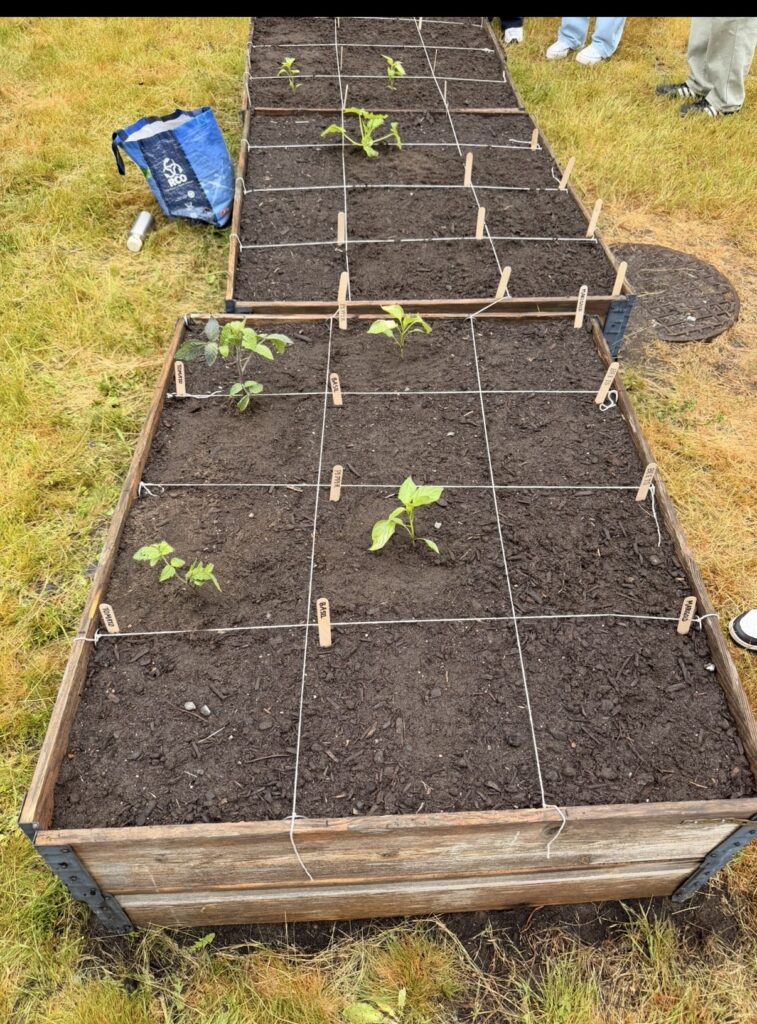
(Picture of Day 1 garden photo)
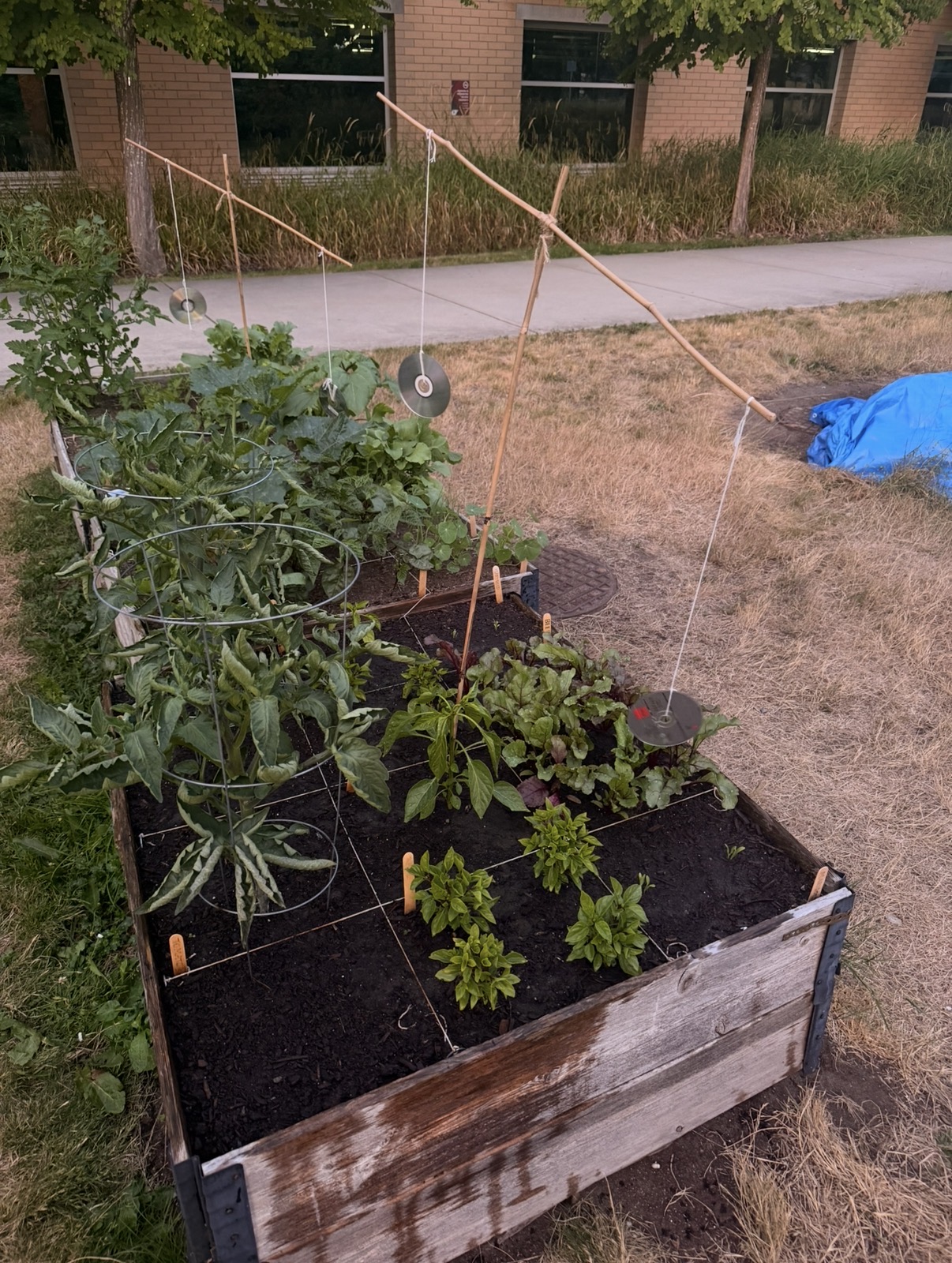
Now that the semester is coming to an end, it’s amazing to compare where we started to where we are now. The tomato plants have grown a lot, the basil has filled out, the beets are thriving, and the peppers are finally starting to grow. Looking at our garden now, you can really see the difference that regular care has made. It reminded me that healthy gardens and healthy ecosystems don’t happen overnight. They need time, attention, and people who are willing to take care of them.
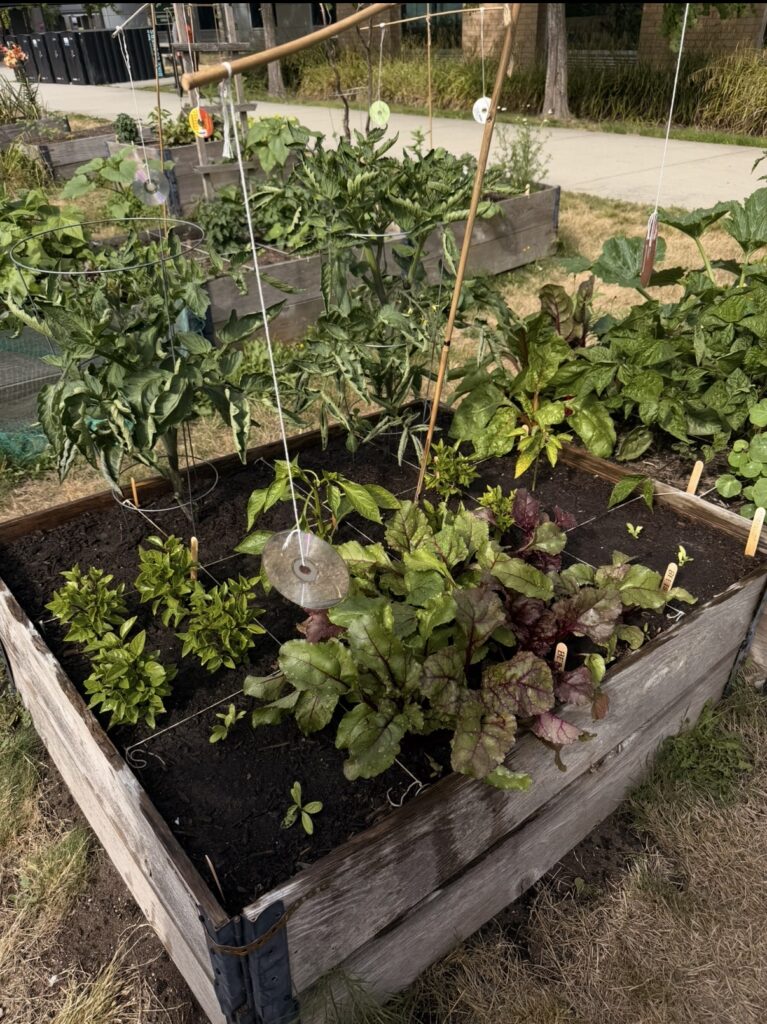
(Current Garden Photo)
When I first signed up for Green Criminology, I honestly thought it was going to be mostly about pollution, climate change, and environmental crime. I never expected that gardening would teach me so much about sustainability, food justice, and our relationship with the environment. Throughout the semester, taking care of the garden made me appreciate where food comes from and how much effort goes into growing it. It also made me realize that small actions, like growing food locally, can have a positive impact on the environment.
As the semester went on, everything started connecting together. During our field trip to Cougar Creek with Deb Jones, I realized how important local ecosystems are. Before that day, I probably would have walked through Cougar Creek without paying much attention to it. After learning about the creek, the wildlife that depends on it, and how pollution, urban development, and climate change affect it, I started seeing it differently. It made me realize that environmental harm isn’t always obvious, but it can still have a huge impact on animals and ecosystems.
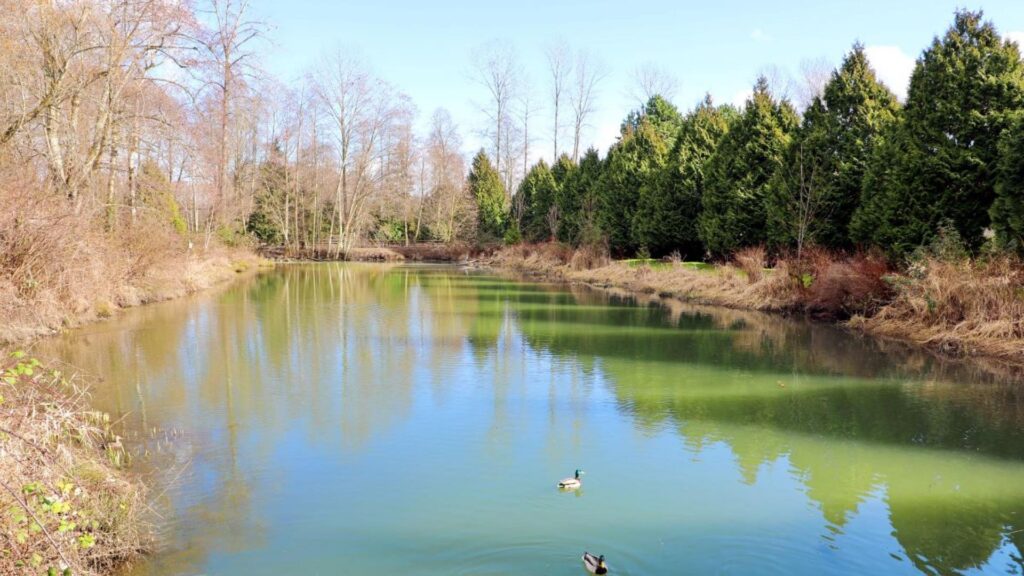
(Picture of Cougar Creek)
Another experience that really stood out to me was Katlia’s guest lecture on Indigenous perspectives and climate change. One thing I found interesting was how she explained that Indigenous communities have cared for the land for generations by working with nature instead of trying to control it. She also talked about how climate change has always existed, but that human activity has made it happen much faster. I had never really thought about climate change from that perspective before, and it made me realize how important Indigenous knowledge is when it comes to protecting the environment.
These experiences also helped me better understand Green Criminology. At the beginning of the course, I thought criminology was mostly about crime, policing, and the justice system. Now I understand that Green Criminology is also about environmental harm, even when those harms are legal. It asks us to think about who is affected by pollution, habitat destruction, climate change, and other environmental issues, and how our everyday choices can either help or harm the environment.
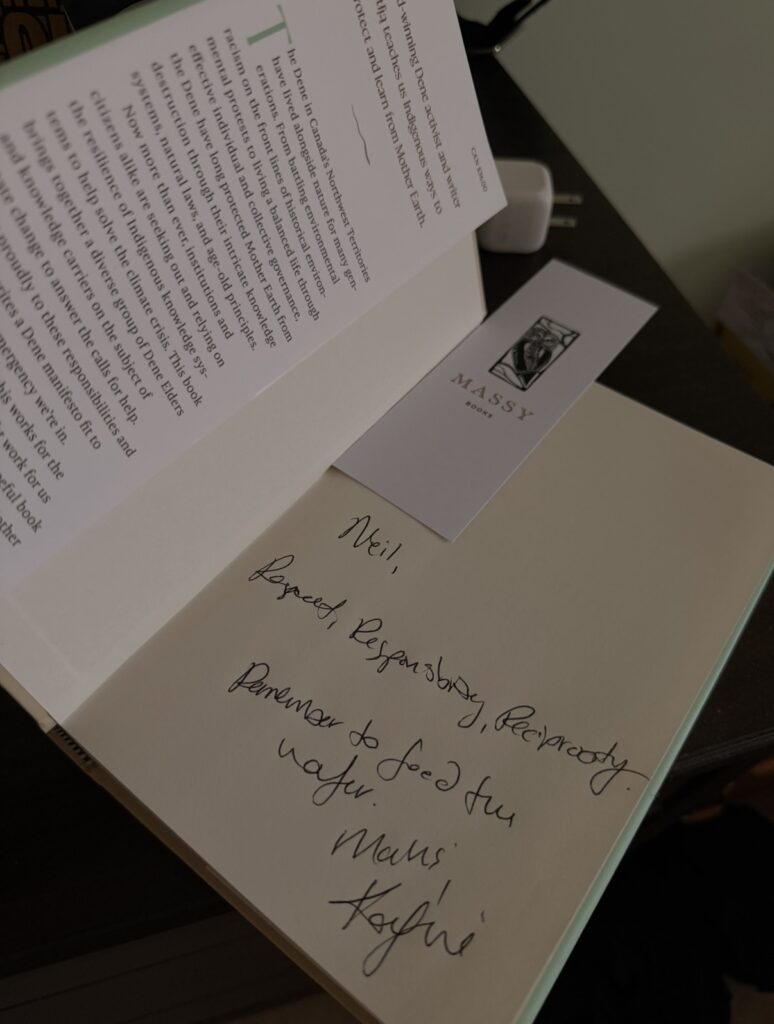 (Katlia’s Book)
This also connects to the ecofeminism reading by Burrell and Pedersen (2025). The authors talk about having an ethic of care, which means treating nature with respect instead of seeing it as something that only exists for people to use. That idea really stuck with me because I think it reflects everything we’ve done this semester. Our garden only grew because we consistently looked after it. Cougar Creek continues to exist because volunteers dedicate their time to protecting it. Indigenous communities have cared for the land for generations by respecting it instead of exploiting it. All of these experiences showed me that taking care of the environment starts with changing how we think about our relationship with nature.
Looking back at the first day of our garden compared to what it looks like now, I don’t just see vegetables that have grown. I also see how much my understanding of Green Criminology has grown. At the beginning of the semester, I saw environmental issues as something happening somewhere else. Now I pay much more attention to the places around me and understand that even small actions can make a difference. Whether it’s growing food, protecting local creeks, or simply being more aware of how our actions affect the environment, I’ve learned that everyone has a role to play.
Overall, this course has changed the way I think about the environment. Instead of only seeing Green Criminology as the study of environmental crime, I now see it as a way of understanding our responsibility to care for people, animals, and the ecosystems we all depend on. I think that’s the biggest lesson I’ll take with me after this class.
References
Burrell, S. R., & Pedersen, C. (2025). From men’s violence to an ethic of care: Ecofeminist contributions to green criminology.

Hi,
I really liked your blog post it showed how your understanding of Green Criminology developed alongside your garden. I liked how you compared between the first and last garden photos clearly shows that environmental care takes time and consistency. The way you connected caring for plants with local ecosystems around us like Cougar Creek made me think about how many natural areas people pass every day without realizing the harm they face, it shows that environmental responsibility is built through everyday actions rather than only large-scale policies.
In your reflection when you discussed about the indigenous knowledge it showed how here are different ways of understanding and protecting nature. It made me think that environmental harm is not always dramatic or obvious it happens slowly over time.it also highlights an alternative way of relating to nature through respect and reciprocity rather than exploitation. Overall, your post showed me how hands-on experiences, combined with course readings, can change the way we understand environmental harm and our own role in protecting the natural world.
*This blog was proofread using ChatGPT*