Seams
Seams are used in the construction of textile based items such as garments and apparel. Seams may also be found in items such as bags, tents, and a range of other items where multiple pieces of fabric are being connected to create a whole. Seams typically are constructed with a back stitch at the start (typically 3 stitches), and a backstitch at the end of the stitch line to essentially ‘lock’ the stitches so the pieces of fabric don’t pull apart.
When sewing a seam the raw edges of the seam allowance are typically finished (unless what is being made will have a lining) to prefect fraying and extend the life of the textile item. Below are a range of methods to seam finish the raw edge of a seam allowance – in some cases the raw edge of the seam allowance is finished before the seam is sewn, in other cases it is finished after the seam is sewn. Much depends on the seam, the fabric/textile, and what is being made, when making a decision regarding seam, and seam finishing techniques.
Unfinished Edge
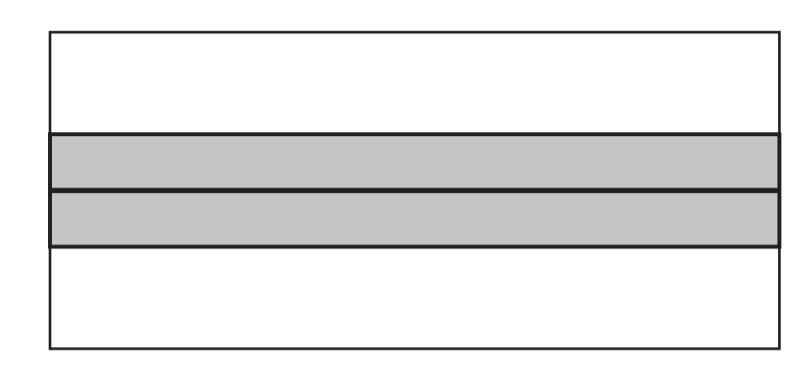
All fully lined garments and fabrics that do not fray may be left unfinished.
- Sew seam with appropriate seam allowance.
Turned & Stitched Edge

This type of finish is used on lightweight fabrics that fray easily.
- Sew seam with appropriate seam allowance.
- Turn under seam allowance raw edge 3mm
and edge stitch.
Overcast Edge
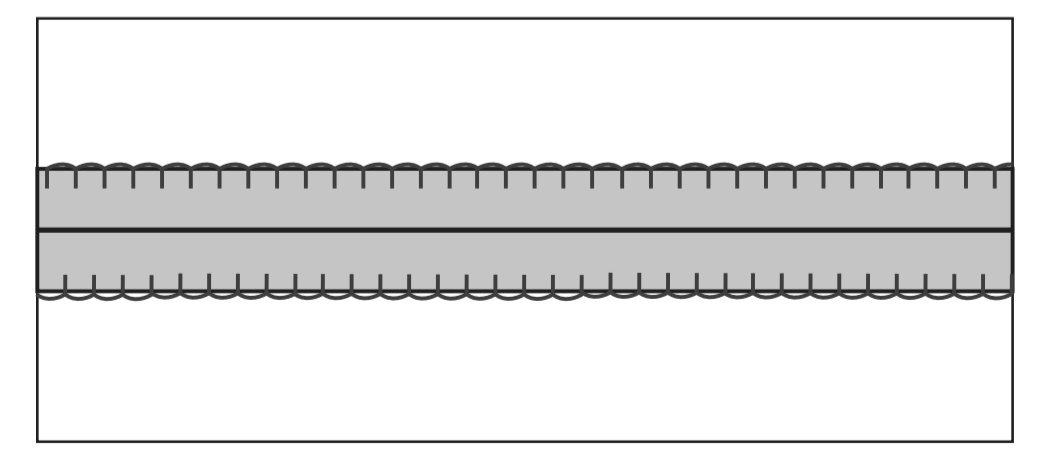
This hand stitch is used on bulky woven fabrics and on shear fabrics that pull or tear with machine finishing.
- Sew seam with appropriate seam allowance.
- Overcast stitch by hand raw edge of seam allowance.
Pinked Edge
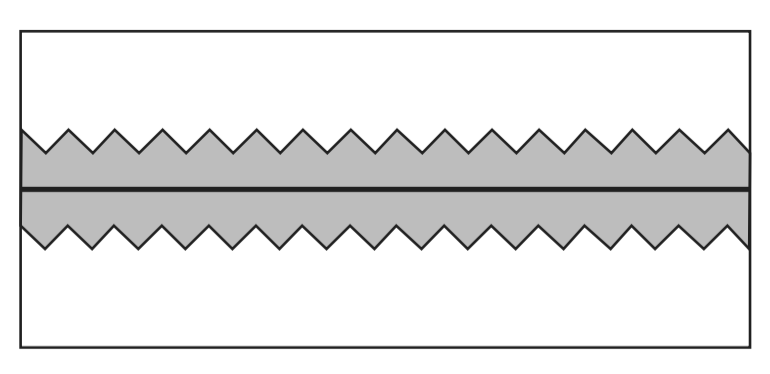
A good finish for fabrics that don’t fray too much.
- Sew Seam with appropriate seam allowance.
- Using pinking shears cut raw edge of seam
allowance.
Serged Edge
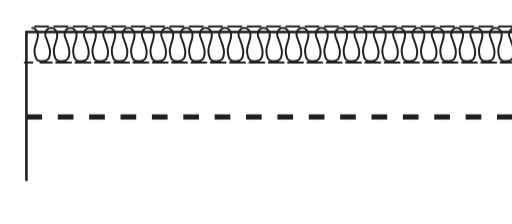
An overcast stitch used to finish the edges of lightweight fabrics. Serging can also be used on knit fabrics to sew a seam.
- Sew seam with appropriate seam allowance.
- Serge raw edge of fabric (trim threads but not the fabric).
Bound Edge
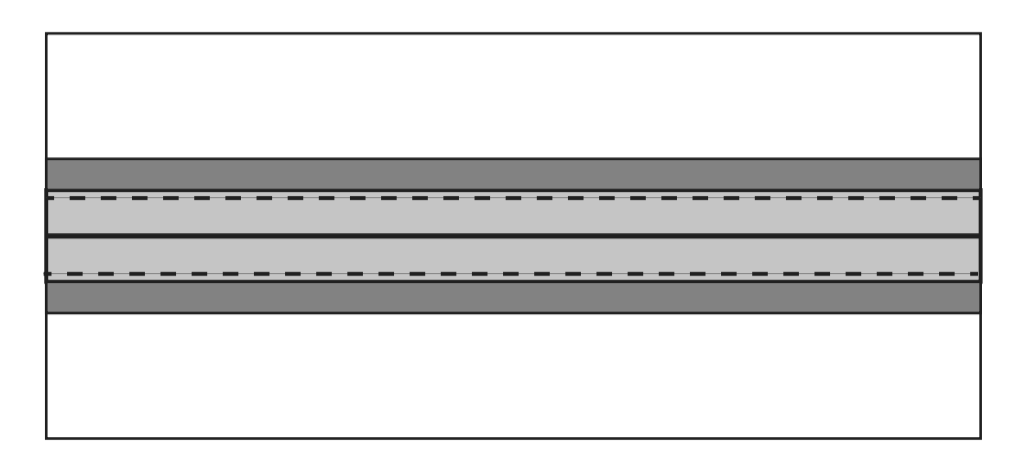
The seam edge is enclosed in a piece of bias fabric for a bound seam finish.
- Cut a bias strip 2cm wide.
- Sew seam with appropriate seam allowance.
- Sew bias strip to right side of raw edge of seam allowance with a narrow seam (0.5cm seam
allowance). - Turn the bias strip to the underside of the seam allowance and top stitch with an edge stitch.