Theory & Principles
Theory & Principles
This section provides an in-depth look at the Universal Design for Learning (UDL) framework, developed by CAST. The three principles of UDL, along with their guidelines and checkpoints, are explored providing a comprehensive understanding of the theory and principles behind the framework – and as aligned with the concept of fostering the development of expert learners.
To listen to a podcast-style audio overview of the section, please listen below (captioning available and transcript downloadable under the player):
Principles of the UDL Framework
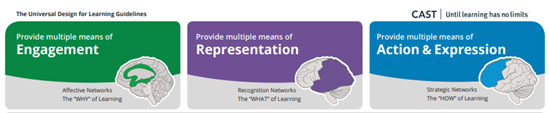
The Universal Design for Learning (UDL) framework was formally developed by CAST (Center for Applied Special Technology) in 1984 as a way to translate insights from neuroscience and the wider learning sciences to extending the goals of universal design to the learning environment. Over the years, while the framework has been periodically updated to incorporate emerging findings and insights from the broader learning sciences, the three (3) guiding principles when designing or developing learning experiences have remained consistent. They are:
Principle 1: Provide Multiple Means of Engagement
In the previous section, we discussed how functional limitations not only operate invisibly but also overlap and intersect to present more complex barriers to learning. This principle seeks to recognize the complexities that can exist in the learning process and encourages us to seek ways to motivate and engage students better. CAST (2024) identifies the “affective networks” of the brain (including the corpus callosum and hippocampus) as being related to the “WHY” of learning.
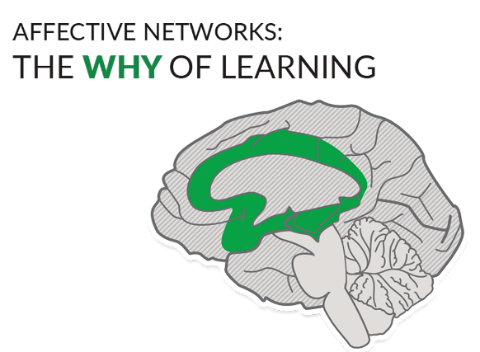
In providing multiple means of engagement, CAST (2024) has further broken down this principle into providing options for:
Recruiting Interest
“Information that is not attended to, that does not engage learners’ cognition, is in fact inaccessible.”
Sustaining Effort & Persistence
“When motivated to do so, many learners can regulate their attention and affect in order to sustain the effort and concentration that such learning will require.”
Self-Regulation
“The ability to self-regulate – to strategically modulate one’s emotional reactions or states in order to be more effective at coping and engaging with the environment – is a critical aspect of human development.”
Providing a variety of options focuses on ways to improve learners’ engagement throughout a learning experience by better tapping into their interests and motivations. For example, courses that include explicit learning outcomes and connect the learning outcomes to broader elements of learners’ university experience and/or their professional journeys make these goals salient and easy to remember, which helps students stay engaged throughout the course.
Here is a brief video from the Center for Excellence in Teaching and Learning at Oakland University on “UDL Principle of Engagement”
Next Principle
Principle 2: Provide Multiple Means of Representation
In keeping with the values of Accessibility and acknowledging Jaggedness in learner needs, this principle acknowledges that learners process information differently depending on the format, style, and medium used, and that information is not truly accessible to learners unless they are able to effectively access and process it. CAST (2024) identifies the “recognition networks” of the brain (including the parietal, occipital, and temporal lobes) as being related to the “WHAT” of learning.
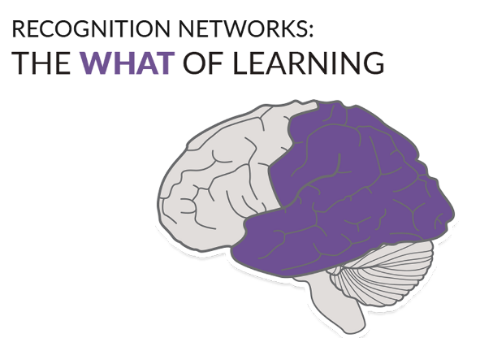
In providing multiple means of representation, CAST (2024) has further broken down this principle into providing options for:
Perception
“It is important to ensure that key information is equally perceptible to all learners.”
Language & Symbols
“inequalities arise when information is presented to all learners through a single form of representation…ensure that alternative representations are provided not only for accessibility, but for clarity and comprehensibility across all learners.”
Comprehension
“constructing useable knowledge, knowledge that is accessible for future decision-making, depends not upon merely perceiving information, but upon active ‘information processing skills.”
Providing a variety of options focuses on presenting information in flexible and varied ways so as to limit the dependence on any single medium. For example, course materials written in advanced, academic English and available only as text can present challenges for students with limitations in linguistic, information processing, or the post-secondary readiness domains. But if the same materials are accompanied by audio/video versions of the same information and with definitions and explanations of important terms, that vastly improves students’ ability to access and engage with the material.
Here is a brief video from the Center for Excellence in Teaching and Learning at Oakland University on “UDL Principle of Representation”:
Next Principle
Principle 3: Provide Multiple Means of Action and Expression
In keeping with the values of Jaggedness and Teaching to the Margins, this principle recognizes that learners vary in the ways they communicate information and demonstrate achievement of learning outcomes, and that these variations often exist due to existing limitations and not just preferences. CAST (2024) identifies the “recognition networks” of the brain (including the frontal lobe) as being related to the “HOW” of learning.
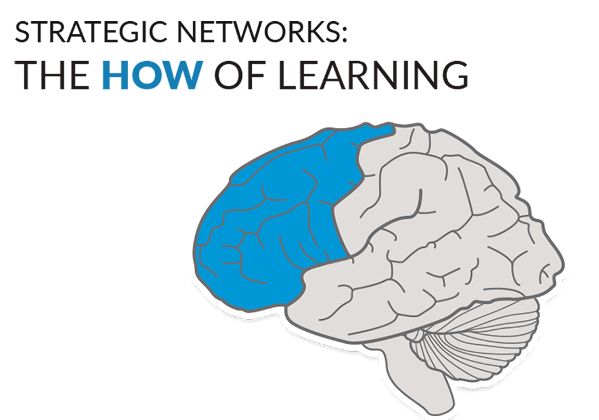
In providing multiple means of Action & Expression, CAST (2024) has further broken down this principle into providing options for:
Physical Action
“it is important to provide materials with which all learners can interact. Properly designed curricular materials provide a seamless interface with common assistive technologies.”
Expression & Communication
“it is important to provide alternative modalities for expression, both to level the playing field among learners and to allow the learner to appropriately (or easily) express knowledge, ideas and concepts in the learning environment.”
Executive Functions
“Associated with networks that include the prefrontal cortex, these capabilities allow humans to overcome impulsive, short-term reactions to their environment and instead to set long-term goals, plan effective strategies for reaching those goals, monitor their progress, and modify strategies as needed.”
Providing a variety of options focuses on expanding the ways students can demonstrate their learning and their achievement of course outcomes. For example, weak writers are not necessarily weak communicators, and assessments that offer options to submit deliverables in alternative formats such as audio, video, or visual means (e.g. infographics) can provide students the opportunity to demonstrate their communication skills in authentic, creative ways.
Here is a brief video from the Center for Excellence in Teaching and Learning at Oakland University on “UDL Principle of Representation”
Reflection Point
Which of the three principles of UDL (engagement, representation, and action & expression) most resonates with you? What are some considerations within your context for striking a balance between the three in designing and developing your course and instructional materials?
Guidelines and Checkpoints
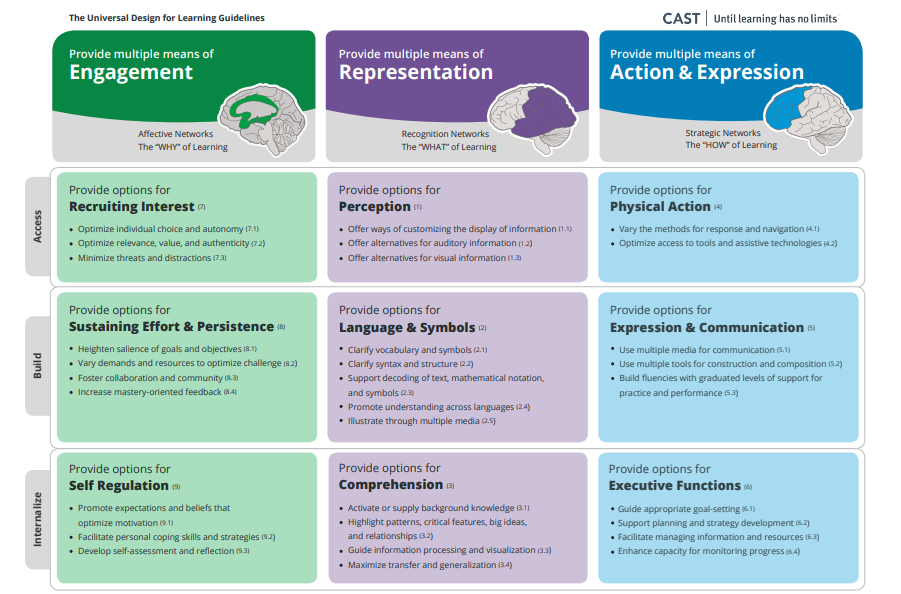
The principles of Universal Design for Learning (UDL) serve as broad guidance for how to think about incorporating flexibility, scaffolds, and supports into the learning environment. As previously state, the UDL framework further breaks down each principle into three (3) additional guidelines, each with their own checkpoints. In total, there are nine (9) guidelines and thirty-one (31) checkpoints within the UDL framework.
Within the framework, these guidelines and checkpoints can be contextualized and framed in two (2) distinct ways; Vertically (top-down, as columns) and Horizontally (left-right, as rows).
Viewed vertically, the guidelines and checkpoints provide a mechanism for designing, classifying, and assessing UDL-aligned solutions within the UDL principles. For instance, the solution of providing explicit learning outcomes whose relevance to learners’ academic and professional outcomes is regularly highlighted (our example for multiple means of engagement) aims to Recruit Interest by optimizing relevance, value, and authenticity (Guideline 7, Checkpoint 7.2), Sustain Effort & Persistence by heightening the salience of goals and objectives (Guideline 8, Checkpoint 8.1) and provides opportunities to support Self-Regulation by prompting students to self-assess and reflect on their progress within a course (Guideline 9, Checkpoint 9.3).
Viewed horizontally, the guidelines and checkpoints offer suggestions based on three (3) learner-centered goals of making the content, expectations, and outcomes in a learning experience more accessible (Access), developing students’ skills by building in scaffolds and supports (Build), and empowering students by developing their capacities for self-regulation, comprehension, and executive function (Internalize). Depending on the intended goal, UDL-aligned solutions can be designed based on the guidelines and checkpoints within any goal. For instance, having students work in small groups throughout a course and provide structured, formative peer feedback to each other can be a way to foster collaboration (checkpoint 8.3) and promote understanding across cultures and languages (checkpoint 2.4).
We previously discussed how UDL and Accessibility adopt diverging yet complementary approaches to supporting student success. One of the distinct areas of focus within UDL is on student engagement, on looking at ways to develop and sustain motivation and resilience so that students can gain maximum value from their learning experiences. The guidelines in this principle reflect that student engagement is a matter of developing an initial interest, persevering through challenges and distractions that arise during a learning experience, developing capacity to self-regulate over time, and provide guidance on ways to inculcate these through the learning experience.
As an alternative way to engage in this content, here is an infographic providing an overview of the 3 Guidelines within Multiple Means of Representation:
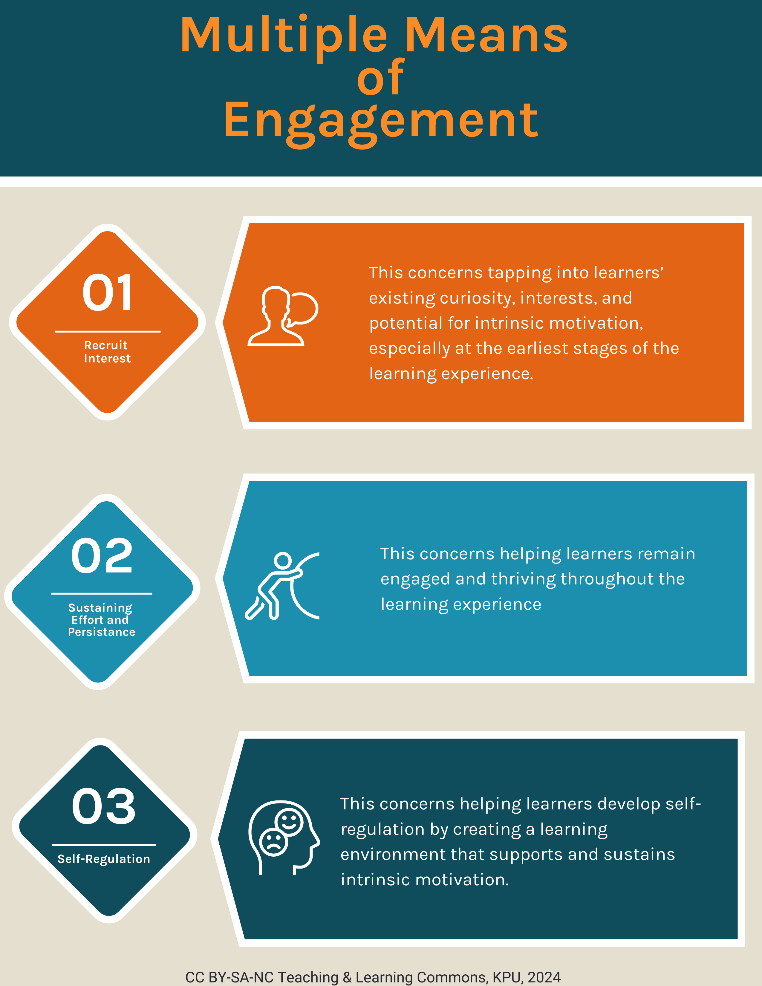
For information to be accessible, it has to be understandable. The focus of the guidelines here is to limit the dependence on any single medium, style, and method of conveying information in order to make the content of a learning experience as accessible and understandable to as wide a range of learners as possible.
As an alternative way to engage in this content, here is an infographic providing an overview of the 3 Guidelines within Multiple Means of Representation:
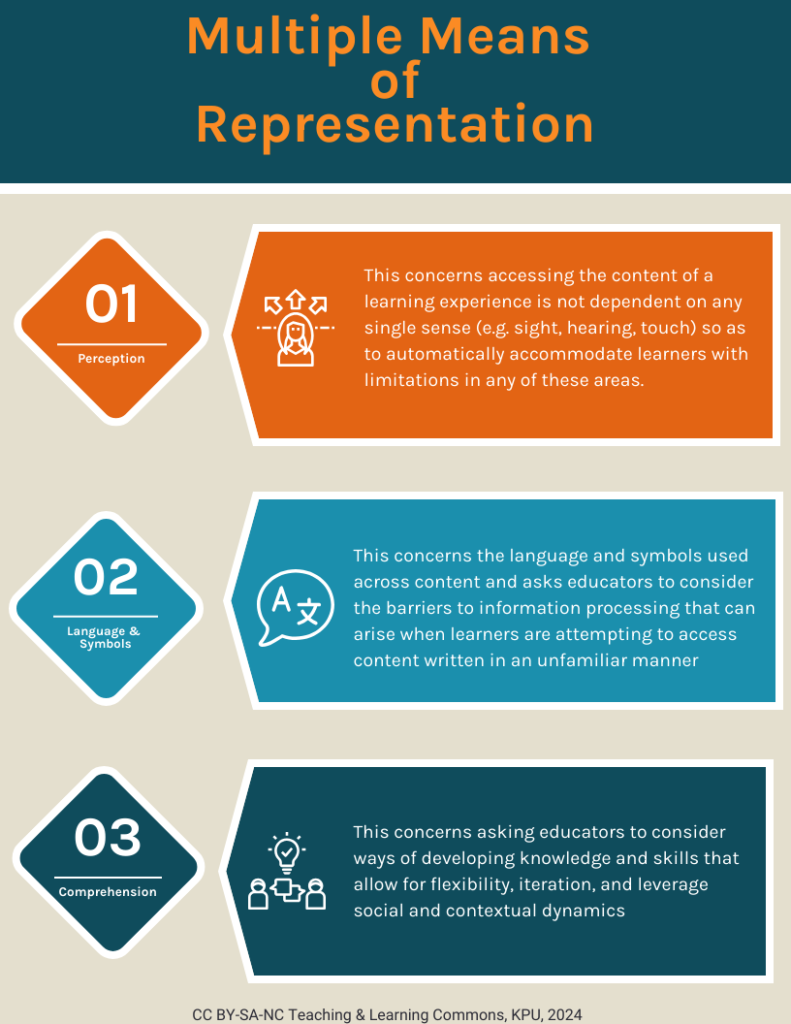
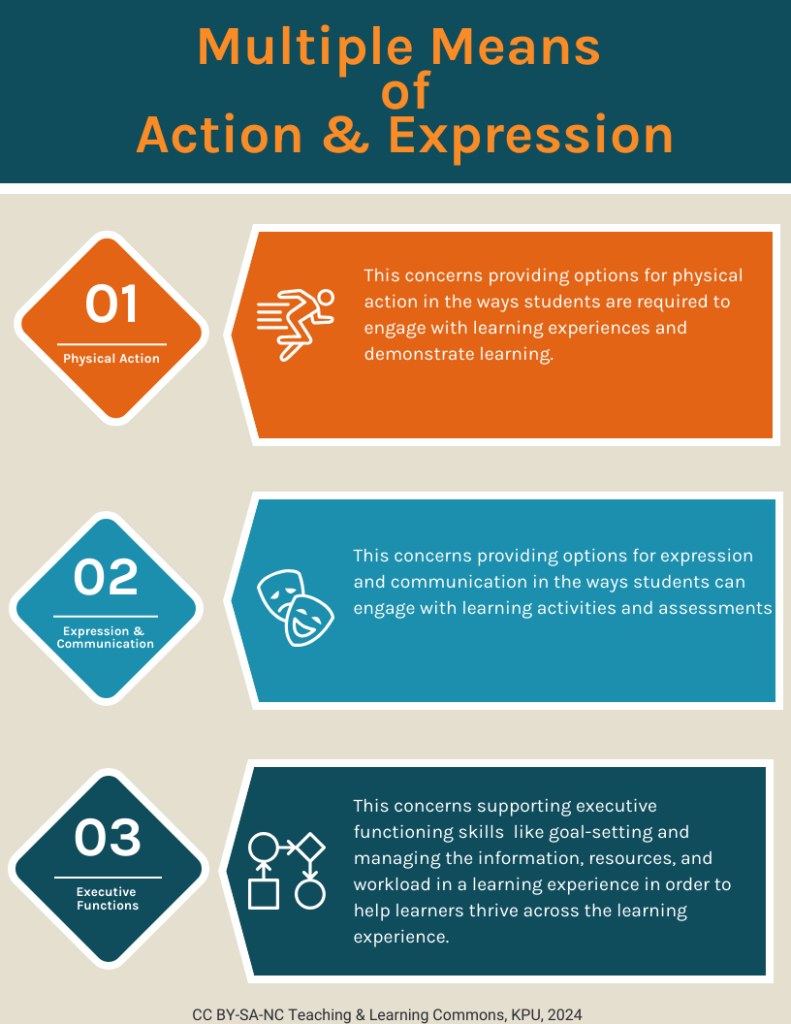
An important component of an inclusive learning experience is whether it affords opportunities for students to demonstrate authentic learning and achievement outside of traditional formats. This is because the same factors that limit learners’ abilities in accessing course information also impact their capacity to demonstrate learning. The focus of the guidelines here is to limit the dependence on any one format or mechanism of gauging learning, and to vary the ways in which students can demonstrate authentic learning and achievement of course outcomes.
As an alternative way to engage in this content, here is an infographic providing an overview of the 3 Guidelines within Multiple Means of Action & Expression:
An essential component of user-centered design is developing clear, well-defined objectives at the beginning of the design process. Within the Universal Design for Learning (UDL) framework, this objective is the development of “Expert Learners” who, regardless of their prior and existing limitations, have the combination of training, skills, and supports in the environment to be able to navigate complex challenges and succeed in their learning and professional goals. However, it is important to note that it is not a quantity of knowledge or skills that distinguishes “expert learners” from their peers, “but rather their ability to implement appropriate regulatory strategies when they become aware that certain facts or skills are missing from their learning repertoires that are necessary for reaching desired academic goals” (Ertmer & Newby, 1996, p. 1).
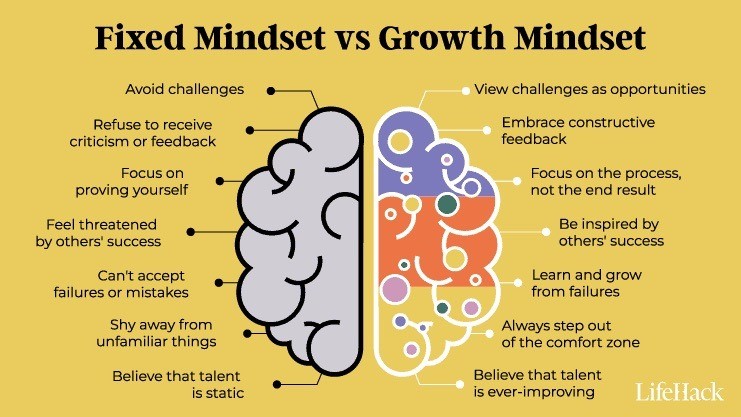
Part of developing an expert learner involves facilitating a “growth mindset” – that the learner believes that they can develop and improve their abilities through resilience and hard work. Consider this excerpt from “University 101: Study, Strategize and Succeed” (2018) by KPU Learning Centres:
Everyone encounters setbacks at times. When this happens, you have a choice of possible responses. Some people respond to setbacks by concluding that they may lack the ability to complete the course successfully. Others respond by concluding that the course or instructor is unfair, and blame their setback on an external force beyond their control. These responses are associated with what is called a fixed mindset.
Others respond to setbacks and negative feedback by asking what they can learn from the experience. Their focus is less on achieving a specific grade or result, and more on learning as much as possible from their experiences in university. Individuals with this mindset, which is called a growth mindset are more able to recover from setbacks and to go on to achieve greater success (Chapter 31).
UDL is really about designing learning experiences and environments that can be engaged in by all, but in terms of “growth mindset,” it is the addition of designing learning opportunities where students feel supported when they make mistakes, or when something is challenging. It is the resilience in facing challenges where a growth mindset is associated with successful learning.
Looking to learn more? Check out the following additional resources:
CAST’s “The Language of UDL: Shifting Mindsets”
Carol Dweck (TEDx)
How can we help facilitate a growth mindset in our students and help them develop into expert learners? Consider the following definition of an expert learner: “an expert learner may not be the best student, or have the most innate talent, but that doesn’t matter. An expert learner is motivated, gritty, perseveres through problems, learns from mistakes, and keeps on trying new strategies until goals are achieved” (Novak, 2017). We can see immediate connections with UDL and growth mindset in that the goal is for successful student learning, but is focused on supporting the student to develop intrinsic motivation and resilience when facing challenges.
Instructor Strategies for Supporting Students in Developing a Growth Mindset (adapted from Sun, 2015):
Don’t sort students by ability (i.e., high performers together); it signals different expectations for different students and can reinforce a fixed mindset
Provide descriptive feedback that focuses students on improvement opportunities
Structure assignments so that revisions are allowed or drafts are given feedback and not grade
Normalize struggle as a part of the learning process
Emphasize the importance of achievable goals that demonstrate growth and progress
Struggling students are less likely to self-regulate and “monitor their own learning and…often do not have a very good idea about whether they have comprehended and mastered the information presented” (Ertmer & Newby, 1996, p. 5). Though a core tenet of education, students often need to be explicitly taught that learning is an ongoing process and that challenges and failures are some of the best opportunities to learn and grow; to learn how to motivate themselves and push through adversity.
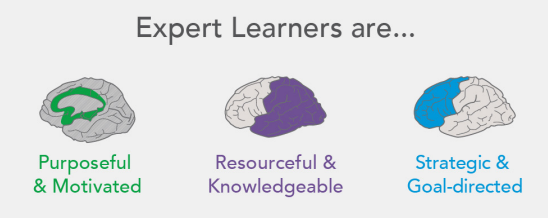
As UDL is intended to be an instructional design framework, the objective of developing expert learners is intended to be discipline-agnostic and applicable across all contexts. The core qualities, per the UDL framework’s definitions, is that Expert Learners are “Purposeful and Motivated,” Resourceful and Knowledgeable,” and “Strategic and Goal-Directed.” Moreover, Ertmer & Newby (1996) argue that “a major function of all schooling must be to help create learners who know how to learn. By fostering the development of strategic, self-regulated, and reflective learners, it is hypothesized that this goal can be achieved” (p. 22). The development of these three areas is highly aligned with UDL’s providing for multiple means of engagement, representation, and action & expression.
Here is a video by Dr. Seanna Takacs entitled “UDL Basics for Course Design” which will further explore Expert Learners:
https://community.moodle.kpu.ca/mod/lesson/view.php?id=43667 (Learning Design FTE, Part 02, Section 2.2)
Each of these qualities is tied to one of the UDL principles, and the principles can be framed as mechanisms that aid in the development of these qualities in learners. For instance, the goal of providing Multiple Means of Representation can be interpreted as the development of learners who demonstrate motivation, engage purposefully with learning experiences, and possess the awareness and goal-setting skills needed to do so.
Another way to frame and approach the objective of developing expert learners is to dissect the 6 qualities into a broad inventory of knowledge, skills, and abilities that someone possessing that quality would be able to demonstrate (see table below). For educators, this can potentially be useful as a tool for thinking about how a UDL-aligned solution being considered might impact or interplay with existing learning outcomes.

View a pdf resource of the “Top 5 Tips for Fostering Expert Learners: (CAST, 2017)
Additional Ways of Learning about UDL
At various points in this resource guide, we’ve touched on the importance of considering how the accessibility of information is inter-connected with whether that information can be understood and comprehended by its recipient. As Universal Design for Learning (UDL) is a broad, comprehensive framework, it can present challenges for practitioners seeking to develop UDL-aligned options and solutions for their contexts. While the next section of the resource guide provides more detailed and specific guidance for faculty, here we outline some additional ways of developing an understanding and comprehension of UDL. Specifically, through its connections to other disciplines, through the lens of Universal Design, and through social-contextual means.
Reflection Point
- Which of the fields of UDL resonate with you? Which guidelines feel relevant to your context and how can you begin (or continue to build upon) to implement UDL practices?
- Write a description of the average learner in your course(s). What would an expert learner do differently? How would they behave differently? Which guidelines can you leverage immediately for greater impact?