
Universal Design for Learning (UDL)
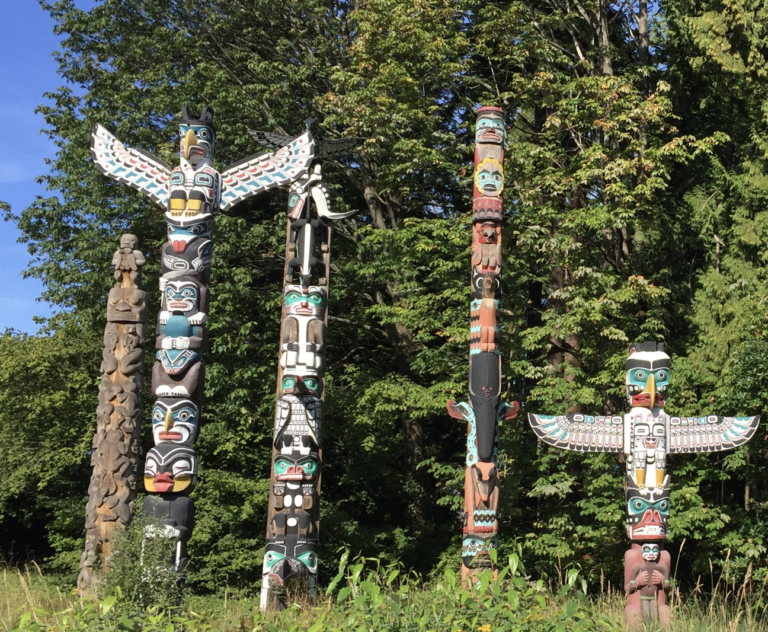
Territorial Acknowledgement
We at Kwantlen Polytechnic University respectfully acknowledge that we live, work and study in a region that overlaps with the unceded traditional and ancestral First Nations Territories of the xʷməθkʷəy̓əm (Musqueam), qi̓ cə̓ y̓ (Katzie), SEMYOME (Semiahmoo), scə̓ waθən (Tsawwassen), qiqéyt (Qayqayt), and kwikwəƛə̓ m (Kwikwetlem); and with the lands of the qw̓ ɑ:nƛ̓ ə̓ n̓ (Kwantlen) First Nation, which gifted its name to this university.
In the cause of reconciliation and inclusive education, we recognize our commitment to address and reduce ongoing systemic colonialism, oppression, and racism that Indigenous Peoples continue to experience. We strive to create learning environments that honour Indigenous perspectives and support all students in demonstrating their learning through equitable and accessible experiences.
Welcome
This video provides a welcome message to this resource site, providing an overview of its intention and the content within it, along with general navigation and exploration amongst the pages.
Overview
This guide has been developed as a resource to support faculty interested in understanding and applying the Universal Design for Learning (UDL) framework in the development of inclusive and engaging learning experiences. Though the intention of this resource is to provide theory and applications of UDL for faculty, it is also important to model UDL practices. As such, where possible, information in this resource is provided in a variety of formats, with additional options to download relevant materials for offline use. This resource has been designed in accordance with the guidelines in Appendix A: Checklist for Accessibility of the Accessibility Toolkit – 2nd Edition.
The guidance here is intended to be useful to novice and experienced higher education practitioners, emphasizing facilitating implementation and application efforts in Syllabus Design, Course Design, Assessment Design, and Instructional Delivery Design.
This guide is split into two parts: Foundations and Applications.
Foundations
Within Foundations, the first section, “What is UDL?” will provide foundational understanding of the core elements of UDL as well as related frameworks and considerations that are interconnected with designing learning experiences.
The second section, “Theory & Practice” will more deeply explore the theoretical underpinnings of the UDL framework, including a closer look at the guidelines and checkpoints within each of the three main areas of UDL.
These two sections are intended to provide the background and theory behind UDL.
Applications
The second part, Applications, has four sections: Syllabus Design, Course Design, Assessment Design, and Instructional Delivery Design.
These four sections will provide specific, evidence-based strategies and practices for implementing UDL. Syllabus Design will focus on designing engaging and effective syllabi, while Course Design will explore considerations for course modality and activities.
Assessment Design will specifically address considerations for assessments (diagnostic, formative, and summative) within the course. Lastly, Instructional Delivery Design will focus on strategies and recommendations for effective and inclusive instruction.
Before you engage with this resource, take a moment to reflect on your current experience with UDL. There are no right or wrong answers, this is simply an opportunity to notice where you are now and where you may want to grow your understanding. Depending on your experience, you may wish to start with the Foundations section, or you may be comfortable beginning with the strategies and implementation sections within the Applications section.
Learning Outcomes
Through engaging in this resource, you have the opportunity to
- Identify key elements of the Universal Design for Learning (UDL) framework, and its intersections with inclusion, accessibility, anti-racism, decolonization, and Indigenization
- Recognize the historic and current limitations and barriers to learning that students encounter when engaging with their courses, assessments, and instructional resources
- Reflect on the ways the UDL framework can support the development of inclusive and engaging learning experiences for students and faculty alike
- Explore UDL-aligned design options for courses, assessments, and instructional resources that mitigate the impacts of barriers to learning and boost learner engagement, including developing expert learners
Where to Start
Not sure where to begin? Try out the H5P activity, or view the navigation video, or read the text below based around reflective prompts to guide your entry into the resource:
Start Here
Based on your H5P result, click the corresponding button below to be taken to that section:
Navigation
In alignment with the spirit of Universal Design for Learning (UDL), this resource includes multiple means of understanding the site organization, including a video, a Mind Map (designed with Prezi), and a Content Outline (drop-down menu format), to offer users flexible pathways for exploring the various components.
Mind Map
Content Outline
As another alternative, here is an interactive table providing an outline of the main sections and content of this resource. The various cells are expandable, with the subheadings clickable, and will take you to that specific section on the site.
Foundations
Applications
Need Help?
If you encounter any difficulties or issues in accessing this resource, please contact the KPU Teaching & Learning Commons