In the past couple weeks, I have since had an interview with an expert in HVAC, I attended the IDSA Medical Design Deep Dive conference, I’ve done more research into UV lights, recommendations from associations, CO2 monitoring, and lastly more concept ideation. My interview with Michael was great for gathering lots more technical information.
Insights from Interview with Michael Devlin, BCIT HVAC Instructor
- HVAC systems haven’t changed much over the years, people are not receptive to increased costs and are not cleaning the systems properly
- increased airflow can dilute pathogens in air, but creates more drafts, chills and SBS (sick building syndrome)
- UV filtration systems and UV lights are an emerging technology
- carbon monoxide monitors triggers alarm to vent out the space
- difficult to get good sample of air to detect viruses
- larger space have higher volume of air which takes longer to circulate
- triggers UV lights upon viral detection, target the sources on surfaces
- viruses float in the air when expelled from infected person, and settle on surfaces, likely will remain on surfaces, wouldn’t get swept up into air again
- look at cleaning surfaces, furniture and fabric room dividers in offices, lots of dust build up
IDSA Medical Design Deep Dive
On November 12th and 13th I attended the Medical Design Deep Dive conference which was really well organized and had lots of amazing speakers. The whole event was based around designing for the medical space, and there were some people from medical design consultancies sharing how they’ve adapted to working online, and others sharing about their current projects. A pair from MIT shared their process in creating an emergency ventilator and how they made their whole process open source along the way. The most insightful and interesting talk for me was by a couple of designers from FitBit who shared how they along with a larger team worked to design an emergency ventilator. It was humbling to see their cardboard prototypes and hear their passion for the whole design process. Although I didn’t gain a whole lot of information that would inform my design direction, it still was a great event to attend to get inspiration from and feed off of others’ passion.
Insights from Further Research
The further research I’ve done is to check the validity of some of the initial concepts I’ve had. The use of UV light was suggested by a couple of my stakeholders and I’ve began ideating with it but needed more information as to what it could be used for. UVC lights can be used to kill bacteria and some viruses, however, a higher dosage is needed to kill the SARS-CoV-2 virus which in turn increases the health risks.
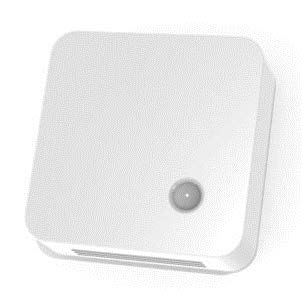
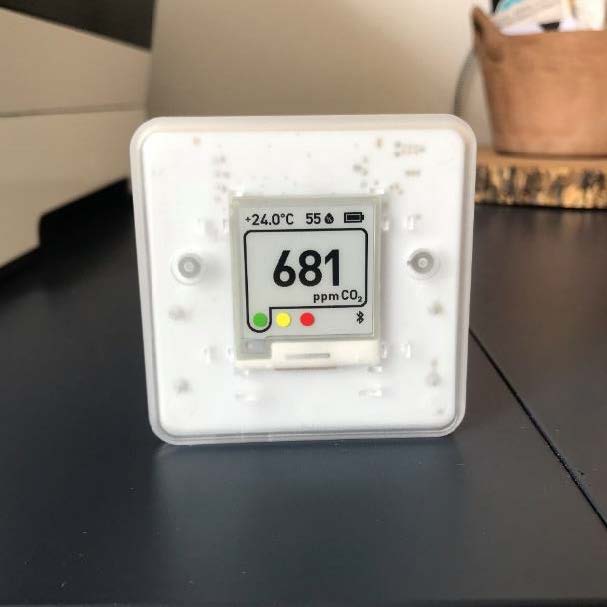
Something Victor shared with me was the use of CO2 monitors. There is increasing evidence that carbon dioxide levels correlate to airborne transmission and since detecting viruses is a complex process, monitoring CO2 levels would be an indirect way of measuring the risk of potential contraction or transmission of COVID-19 and other viruses. I tried to look more into them and they don’t seem to be widely used. There is one recommendation from the Federation of European Heating, Ventilation and Air Conditioning Associations to use CO2 monitors with a traffic light indicator in schools.
eleven X 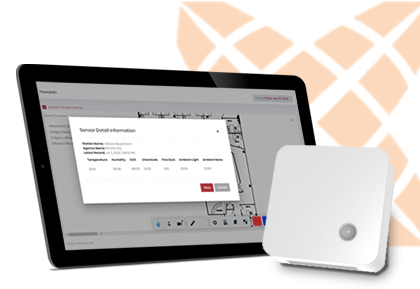
eleven X 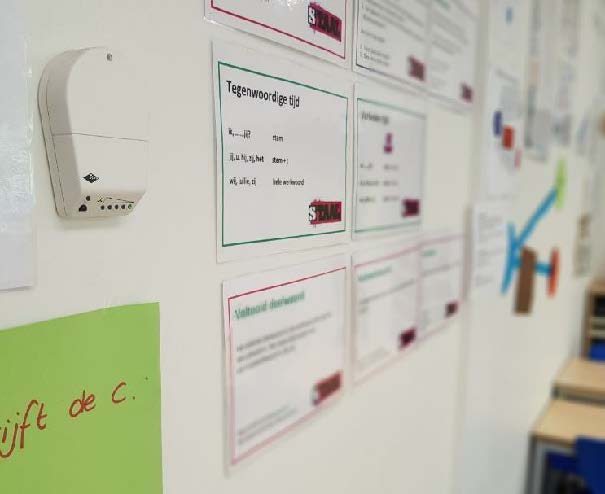
Direction
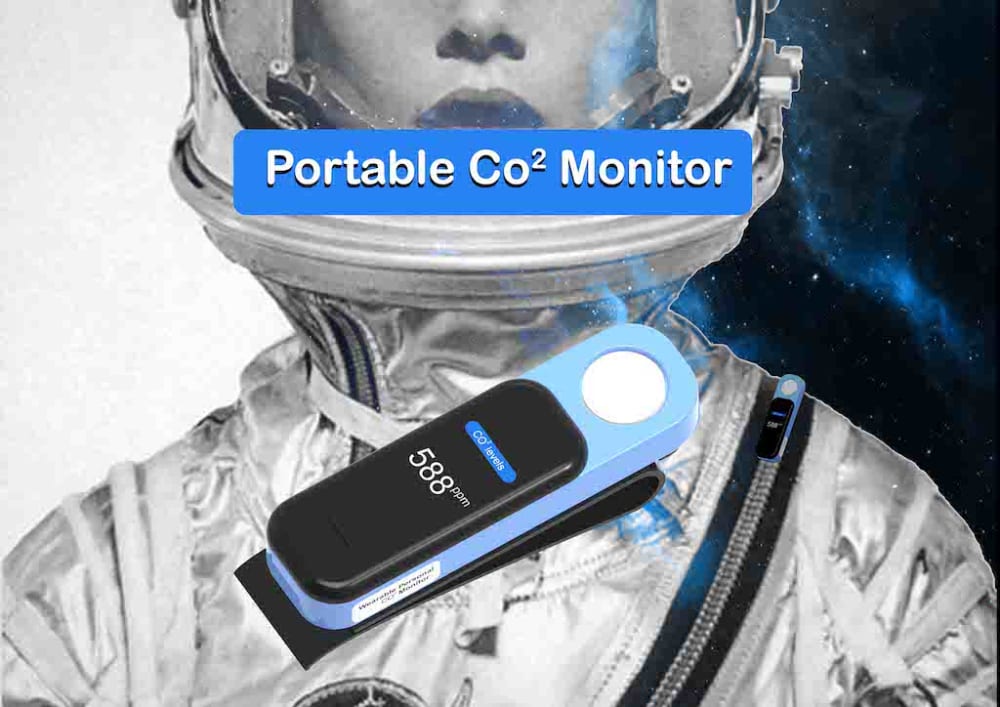
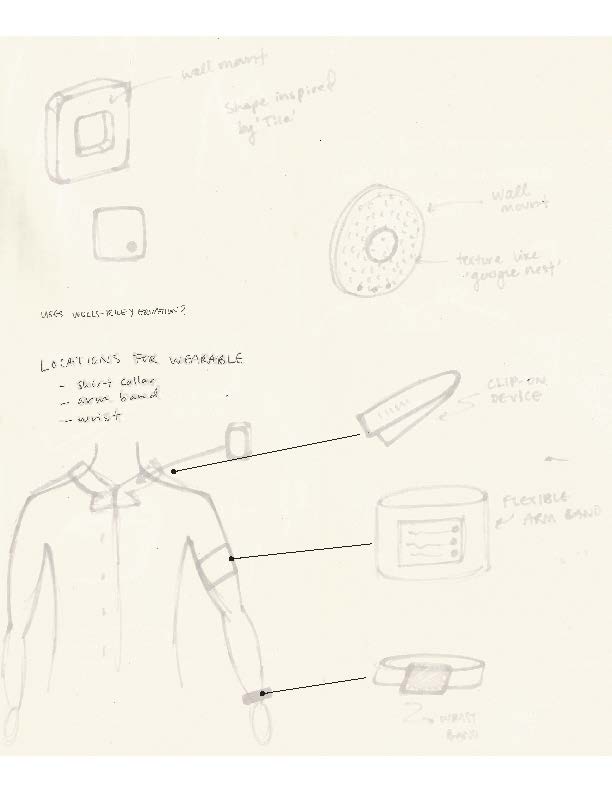
So far I might be leaning in the direction of a CO2 monitor to actively monitor the air quality in the given room, to help assess the risk of contracting a virus or the likelihood of transmission based on the conditions in the room. Having an alert system would help people know when they need to take the next steps to improve the air quality of their space. Those next steps may be to increase ventilation, open windows, or just exit the room. Initially I am thinking it could be a wearable or wall mount, which would either be personal or commercial/institutional.
Next Steps
I will continue exploring ideas around risk assessment, and find out the conditions that facilitate contraction of a virus.