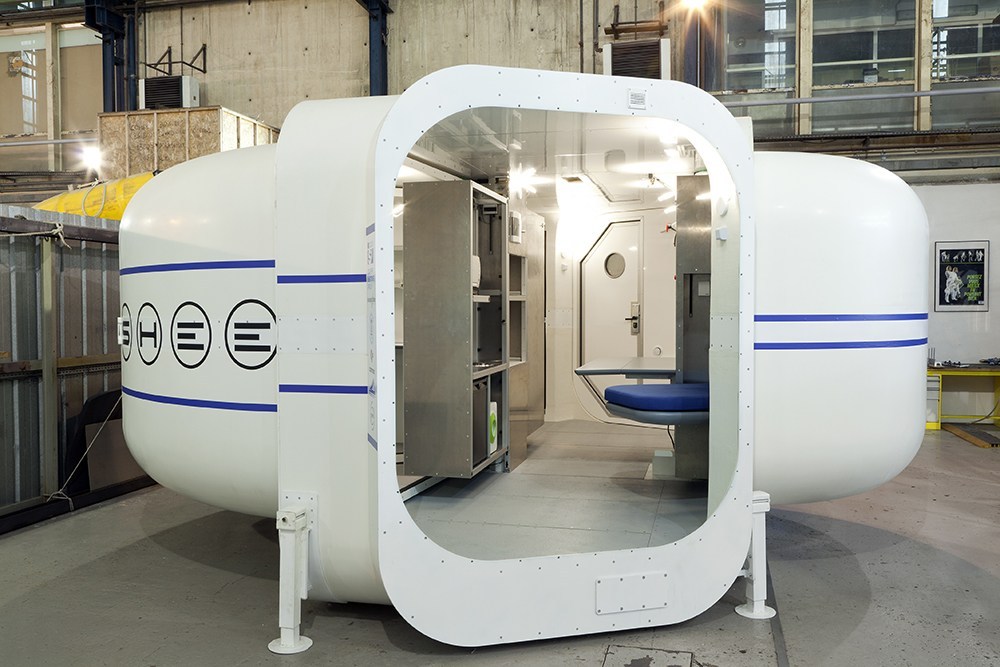
Self-Deployable Habitat for Extreme Environments
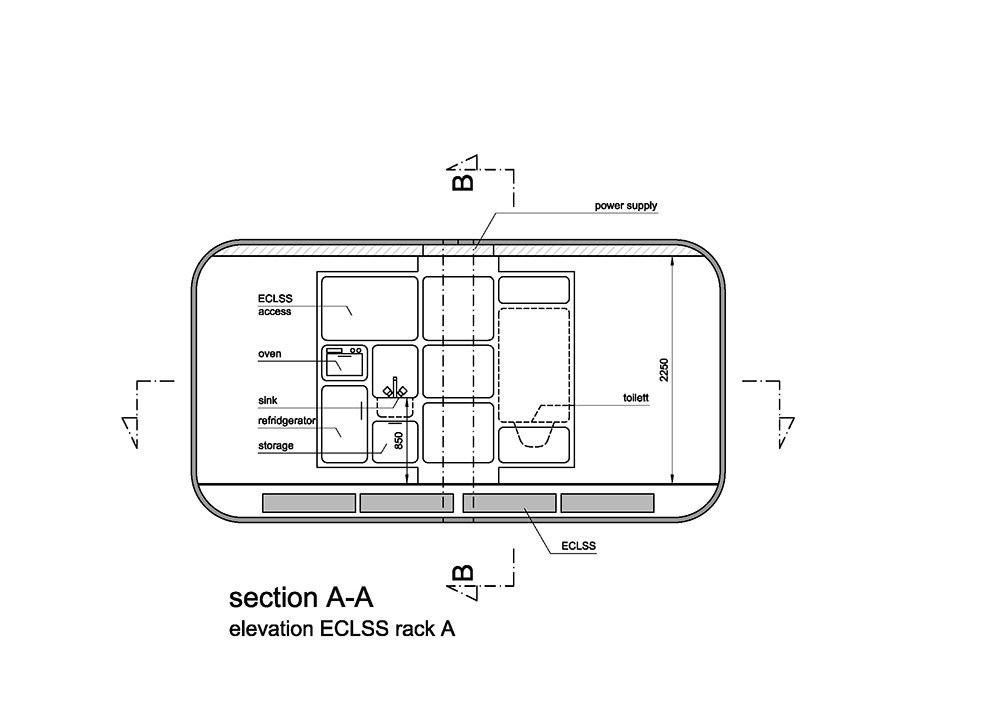
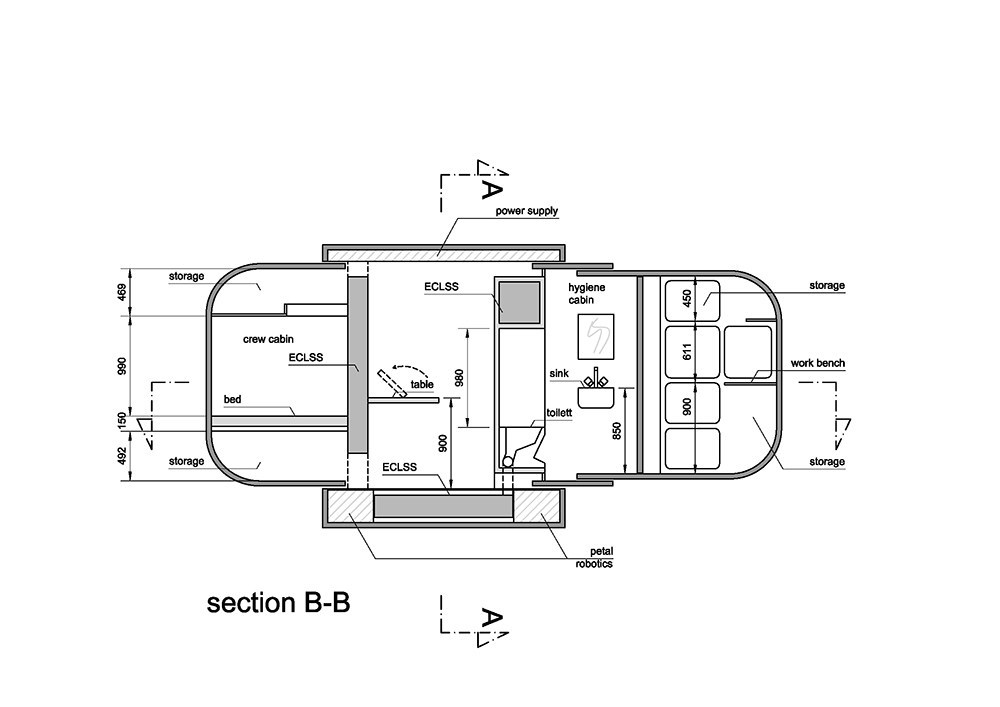
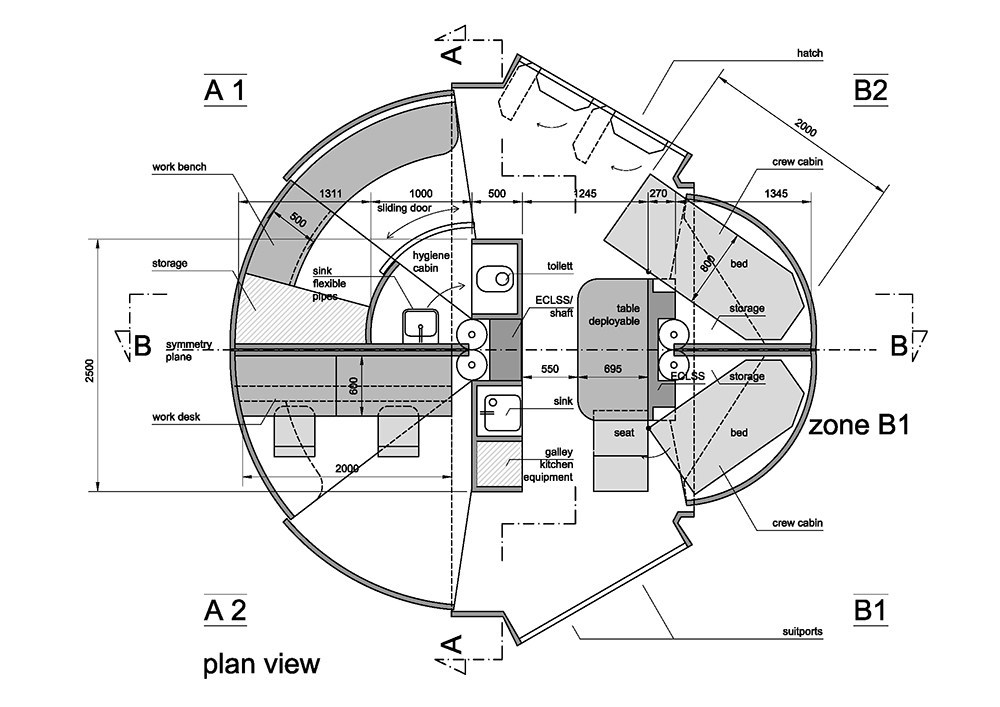
SHEE is a deployable test bed for terrestrial simulations of space missions to prepare for lunar or martian surface exploration. It is a functional habitat fitted for a 2-person crew to be able to complete a 2 week mission simulation. Its deployable nature allows it to expand doubling the interior volume, and contract for easy transportation. It was designed to be used in the most extreme of environments, in any climate.
It has the potential to be used in emergency disaster scenarios as medical stations, or in the Antarctic as research bases.
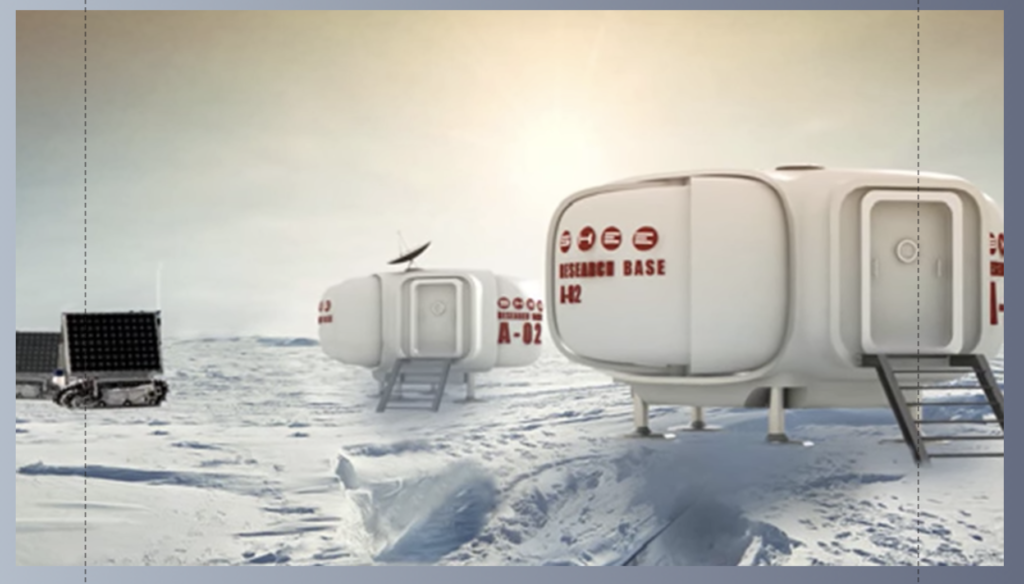
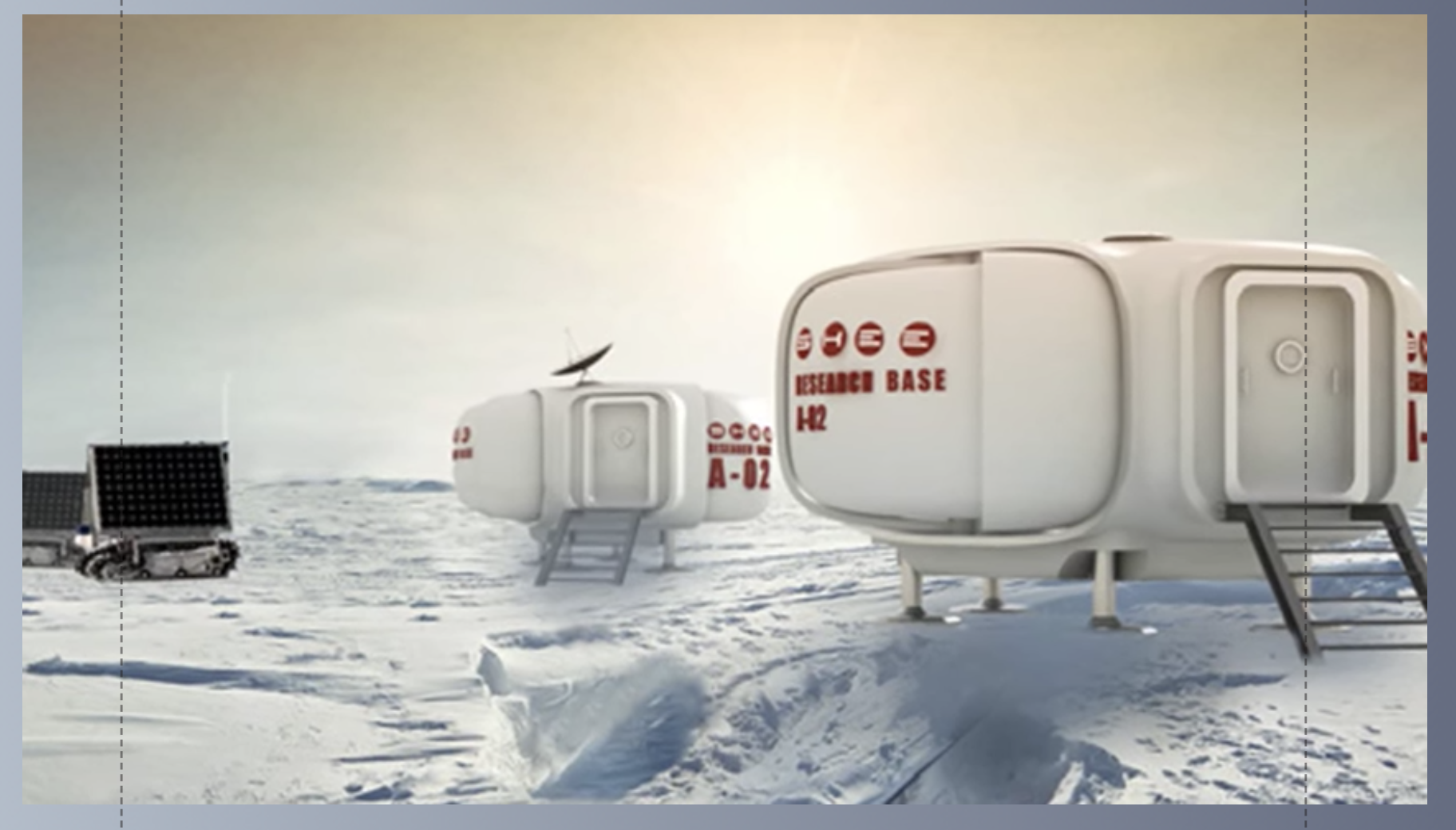
SHEE as arctic research bases 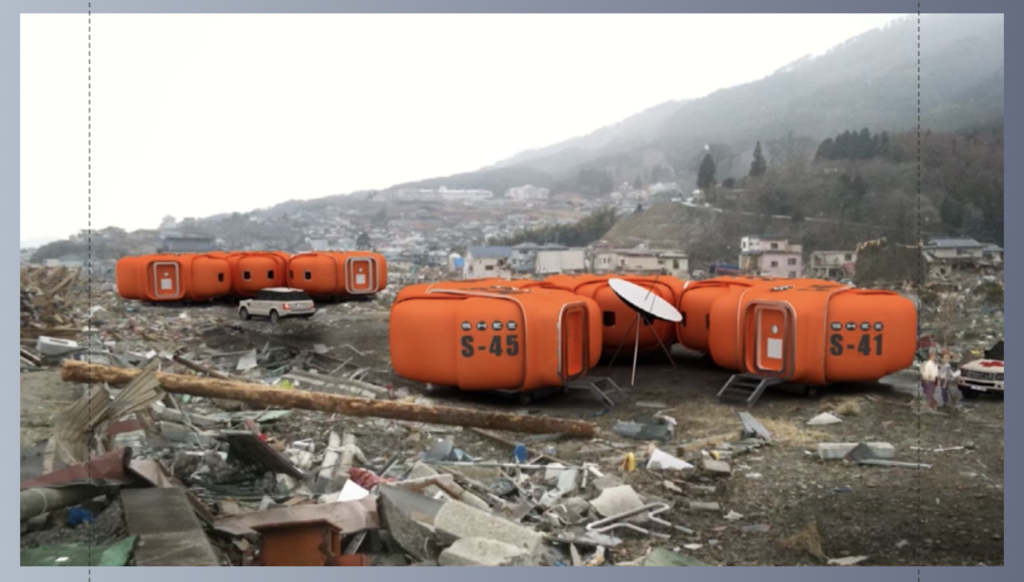
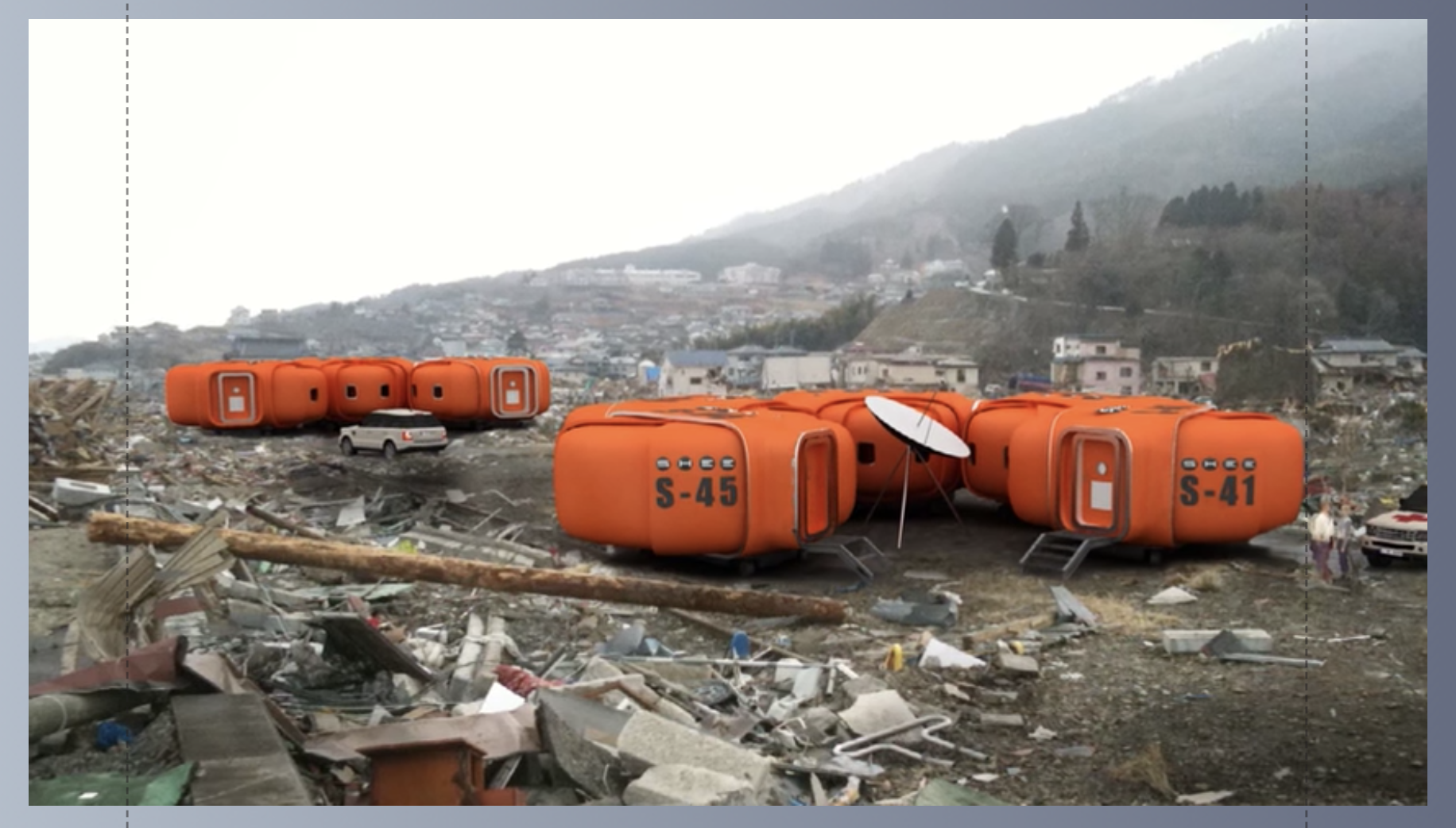
SHEE as emergency medical centers
Structure
- 6 deployable compartments, “petals”
- Industrial standards NASA-GSFC-STD-7000A-1 and MIL-STD-810F
- structural verification by Finite Element Analysis (FEA) using PTC Creo Simulate software informed preliminary design and validated design hypothesis
- self-supporting structure of main hull – 60mm wall thickness; sandwich panels of fibreglass with core of foam material
- petals – 30 mm wall thickness
- exterior surfaces have fireproof gel coat
- core material is a thermo-plastic honeycomb with closed cell thermoplastic foam
- inhibits rip propagation
- provides superior heat and noise insulation
- deployment/actuation of habitat works by rotary motions driven from a central axis
Life support systems
- ECLSS components on modular racks
Sources: Liquifer Systems Group. (2015). SHEE. Retrieved October 20, 2020, from https://liquifer.com/shee/
Osborne, B., Hoheneder, W., & Hogle, M. (2015). A Self-Deployable Habitat for Extreme Environments (SHEE) – Room: The Space Journal. Retrieved October 20, 2020, from https://room.eu.com/article/a-self-deployable-habitat-for-extreme-environments-shee