First Steps in the Garden
I didn’t expect gardening to feel like a criminology lesson, but that is exactly what happened.
Before this class, I had never really done gardening on my own. I always watched my mom take care of plants at home, planting things and looking after them, but I never actually tried it myself. My dad used to be a farmer when I was younger, around 10 or 11 years old, so farming and growing food was always around me in the background, but more like something other people did, not something I was directly part of.
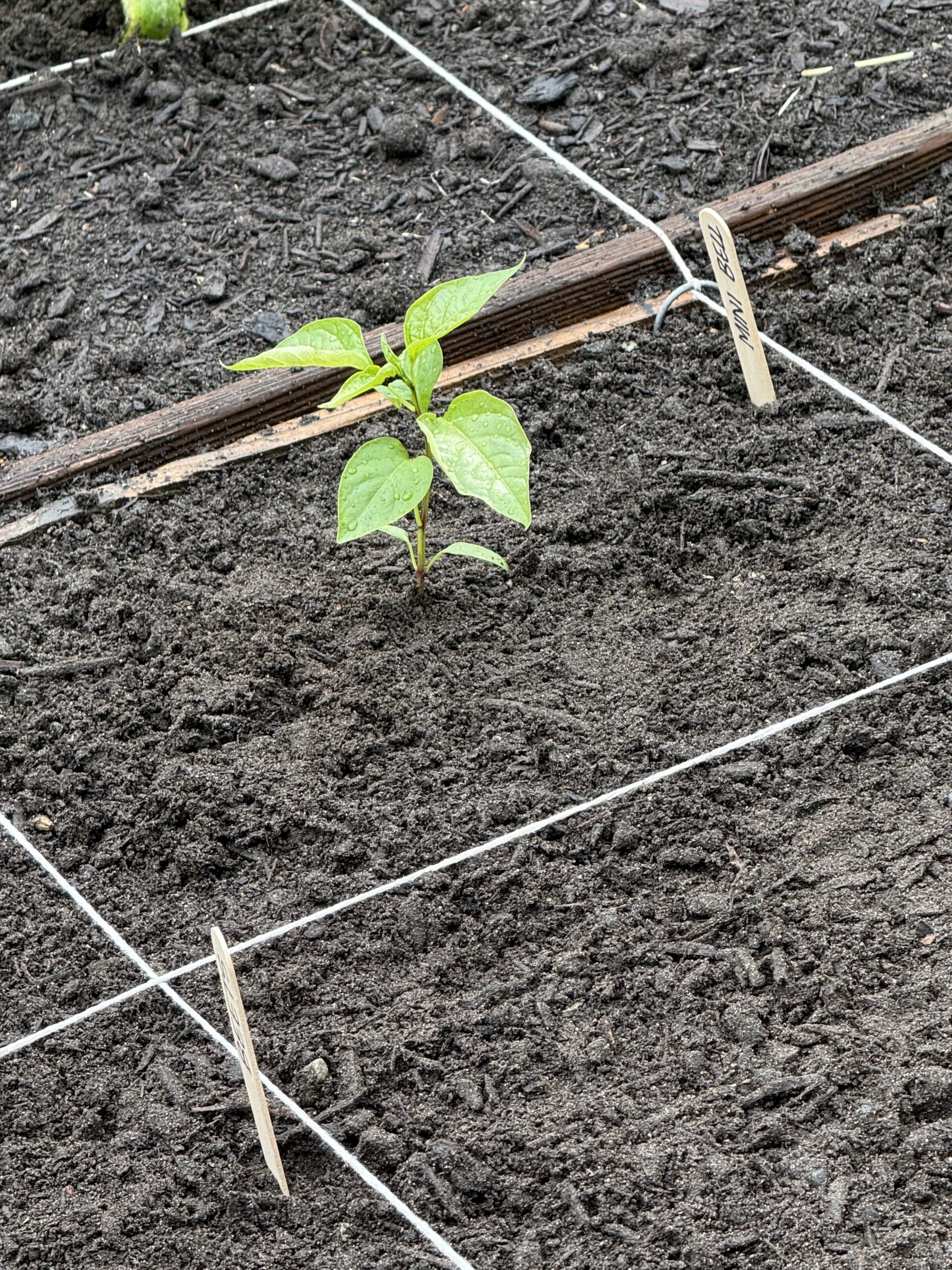
In our class, we have now been out to the garden three times. On the first visit, we just looked at the space and learned where we would be working. On the second visit, we prepared the soil and watered it. On the third visit, we finally planted seeds and some starter plants. It was raining that day, and we still went ahead and got our hands dirty planting everything. I also noticed bugs in the soil and around the garden, which made the whole experience feel more alive and real than I expected.
Right now, we’re in the stage of waiting. We’ve planted everything, and now we’re watching and hoping for growth. It already feels different than just a classroom assignment because the work doesn’t end when class ends; we still have to come back, observe, and take care of what we started.
Getting our hands dirty and paying attention
One of the things that stood out to me was how physical the experience was. Preparing soil, watering it, and planting in the rain made it feel less like “learning about” gardening and more like actually doing it. Getting our hands dirty wasn’t just part of the task; it felt necessary to really connect with what we were learning.
Seeing bugs in the soil also reminded me that the garden is not just about what we plant. It is already full of other living things interacting with it. That connects to what green criminology talks about when it challenges us to think beyond humans and see the wider “more-than-human” world that is affected by what we do (Tourangeau & Fitzgerald, 2020). Even something as simple as gardening is part of a much larger system of life, harm, and care.
Connecting gardening to green criminology
At first, gardening and criminology seemed like completely different things to me. But the more time I spend in the garden, the more I see connections.
Green criminology looks at harm that goes beyond what is written in law, including harm to ecosystems, animals, and communities (White, 2018). It also examines how food systems can produce harm even when those systems are legal (Tourangeau & Fitzgerald, 2020). For example, industrial agriculture can involve environmental damage and animal suffering that are not always recognized as “crime.”
When I think about our small garden in comparison, it feels like the opposite of that industrial system. Instead of mass production and distance, we are working directly with soil, seeds, water, and time. We are also learning patience, because nothing happens instantly. Now that we’ve planted everything, we are waiting and returning to care for it. That waiting is part of the process, and it makes me think differently about how disconnected most food systems are from the people who consume them.
Reciprocity and learning from the land
The professor’s reading on gardening and place-based education helped me understand why we are doing this project in the first place. Gardening is not just about growing food; it is also about learning from the land and practicing reciprocity.
Reciprocity means not just taking from the land, but also giving back in some way and recognizing that we are part of a larger system of relationships (Simpson, 2025; CRIM 3911Course Blog, 2026).
In our case, reciprocity is not something big or abstract. It is simple actions like preparing the soil properly, watering the plants, and continuing to return to the garden instead of walking away after planting. It is about care over time.
I also relate this to my own background. I grew up seeing my mom care for plants, and my dad used to farm when I was younger. But I never really took part in it myself until now. This project is the first time I’ve been directly involved in the process from start to planting and now waiting for growth.
What am I learning from this experience?
The most important part of this project for me is the responsibility of returning. We don’t just plant and leave; we have to come back, observe, and care for what we started. That makes the experience more meaningful.
I’m also learning that gardening is not just about success or failure. It is about observation, patience, and understanding that many factors, such as weather, soil, insects, and time, are not fully in our control.
This connects back to green criminology as well, which encourages us to think about systems, relationships, and impacts that go beyond immediate human control or legal definitions of harm (White, 2018). Even a small garden can help shift how we think about food, nature, and responsibility.
References CRIM 3911 Course Blog. (2026). Teaching green criminology through gardening, place-based education & reciprocity. KPU Green Criminology Blog. https://wordpress.kpu.ca/green-criminology/ Simpson, L. B. (2025). Theory of Water: Nishnaabe Maps to the Times Ahead. Random House. Tourangeau, W., & Fitzgerald, A. J. (2023). Food crime and green criminology. In Issues in Green Criminology (course reading). White, R. (2018). Critical green criminology. In Routledge handbook of critical criminology (pp. 120–131). Routledge.

I really enjoyed reading your blog post Sehaj especially because of how you connected to our very own personal experience and how you drew connections from class work with the ethos of what green criminology actually is. Your mention of how our garden connects with what green criminology says is a very interesting perspective ( what we do directly or indirectly DOES affect the environment around us; even the tiny bugs!) We constantly just take from the environment and your mention of the concept of reciprocity actually makes a lot sense as through this little gardening project we are no doubt giving back to the environment in our own little way. Great thought Sehaj and it’s great to see how this helped you learn something great and also enlightened me about the concept of reciprocity.