Food Production is much deeper then planting and growing
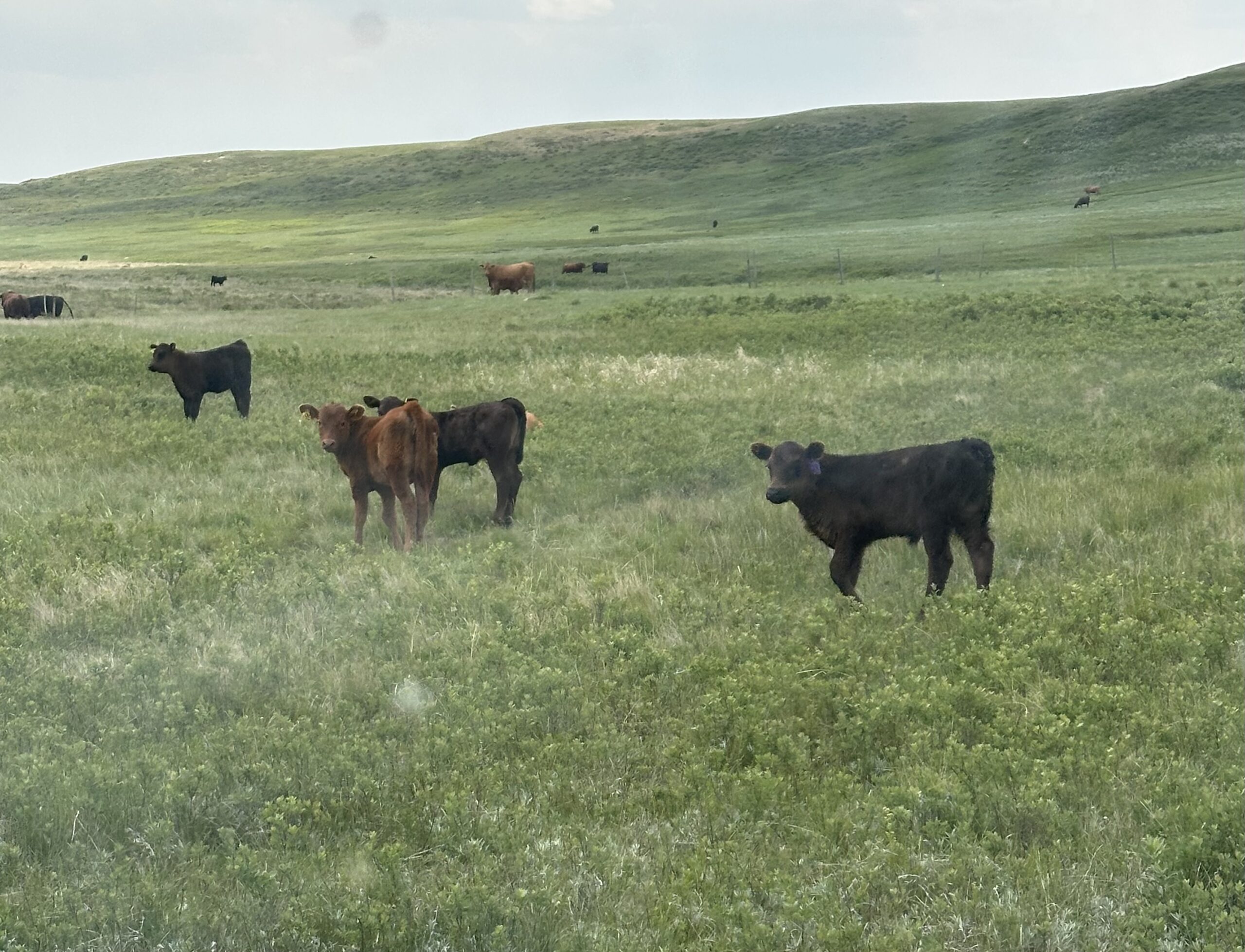
Entering this class I had a lot of prior knowledge on the topic of gardening, learning the topic of green criminology, and food justice has shown me a different perspective. Learning about the people, animals and communities that suffer due to current aspects of our agricultural process has deepened my understanding of how flawed our food system can be. What I first viewed as my own personal simple process of growing foods and other plants at home, is connected to much deeper issues like environment destruction, exploitative and unfair labour practices and harms to animals.
Learning about these topics made me more knowledgeable about where my food came from, but also made me feel grateful to learn about the experience first hand. I have been an avid gardener since I was younger and this is something I have always bonded with my Mom over. My family has a long history in sustainable agriculture and farming and Canada starting back in 1914 , but I have only seen small glimpses of it, and havent viewed deeper issues as closely. Learning about green criminology and the harm that is done to environment has made me think deeper about how we as consumers and students can help, and learning to maintain a garden sustainably is a great help.
Patience is Key!!
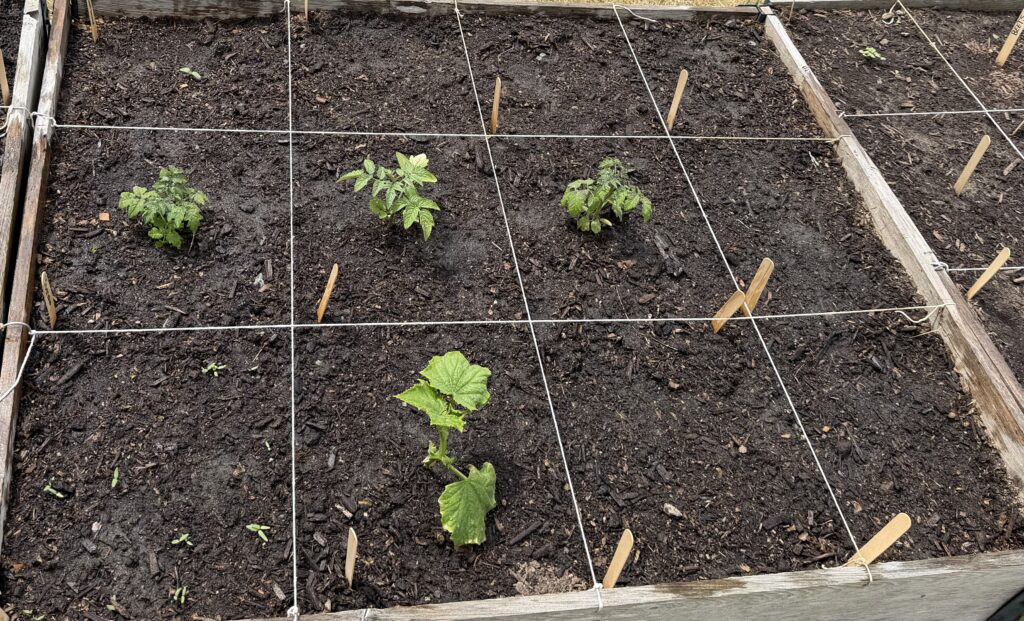
Although I have gardened for a long time, I still learn new things everyday which challenges my previous knowledge. When we first planted our seeds, it took a really long time too see sprouts due to inconsistent warm weather mixed with rain, and this made me nervous. I was concerned that something in our planting process was flawed and that they wouldn’t sprout, but it was simply just a matter of waiting patiently and making sure they were watered and taken care of through the process.
Animal Welfare
One key issue that stood out to me was the mistreatment of animals within agriculture. Tourangeau and Fitzgerald (2019) argue that the topic of green criminology encourages us to look beyond legally defined crimes, and look at the completely legal harmful practices within industrial agriculture. An example discussed is Confined/concentrated Animal Feeding Operations. This is a method of production within industrial agriculture, it makes mass production of animals is short amounts of time able to happen. This causes extreme stress to the animals, causing aggressive and out of character behaviour, even cannibalism.
The Injustices of migrant farm workers
Gabriel Alladua’s 20 injustices of migrant farm workers helped to bring the unfair conditions and treatment of farm workers to light. Many migrant farm workers experience extreme mistreatment, like dangerous working conditions, inadequate housing, family separation and threat of deportation if they attempt to speak out against the mistreatment and exploitation. These workers are extremely vulnerable and threat of deportation and other legal actions, prevents them for advocating for basic human rights. Migrant workers and farm workers are at the centre of our food production system, and the continued mistreatment of these workers is a glimpse into the injustices within agriculture.
Allahdua, G. (2023). Harvesting freedom: The life of a migrant worker in Canada. Betweeen the lines Tourangeau, W., & Fitzgerald, A. J. (2019). Food crime and green criminology. In Routledge international handbook of green criminology (pp. 205-221). Routledge

Hi Krista, I appreciated your discussion of migrant farm workers because before learning about Allahdua’s experiences, I hadn’t thought much about the hardships migrant workers endure to provide us with food. I never considered that many of them could face exploitation, unsafe working conditions, and even fear related to immigration or deportation if they choose to speak out about their treatment. According to Tourangeau and Fitzgerald (2019), migrant farm workers are also exposed to many physical hazards, including airborne dust, animal-borne diseases, and toxic chemicals. Thanks to your discussion post, I learned that the harms they experience go far beyond what I had previously considered. I was aware of the risks associated with dangerous machinery and the effects on mental health. Still, I had not thought about the immigration-related issues and fear of deportation that can prevent workers from feeling safe. Your post reminded me that green criminology is more than just gardening and food production, but also the maltreatment that workers and animals tend to experience, even when those harms are overlooked and not considered crimes.
Tourangeau, W., & Fitzgerald, A. J. (2020). Food crime and green criminology. In Routledge international handbook of green criminology (pp. 205–221). Routledge.