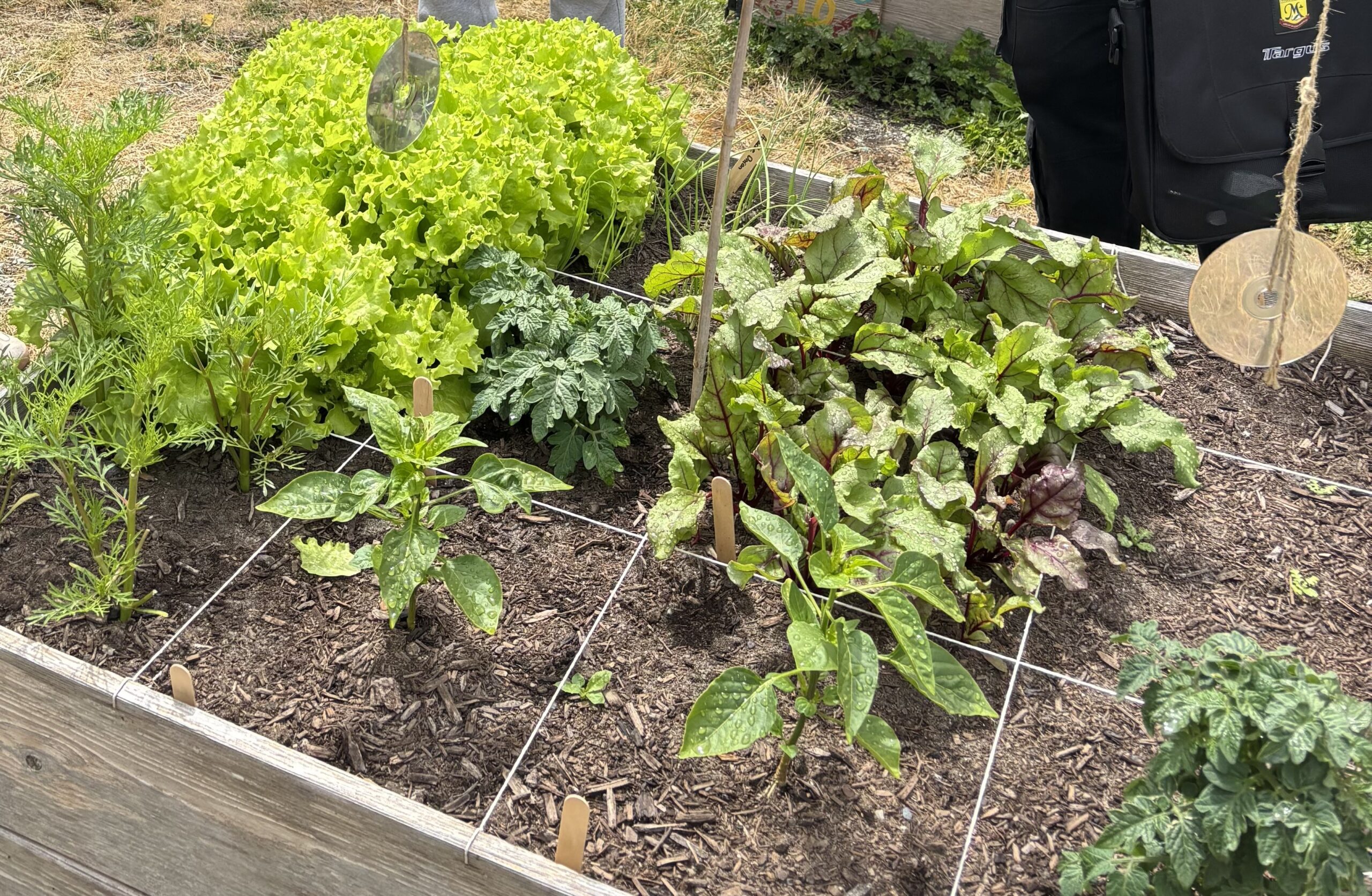
The Journey from Seed to Harvest:
In the first chunk of the semester, our garden had very little growth and was the slowest growing garden in the class. Fast forward to now, and it seems impossible to believe how far it has come. When we first planted everything, I honestly was not confident in our garden because it felt like none of us knew what we were doing. As the semester went on, our garden grew rapidly each week, especially the lettuce, which boosted my morale. After weeks of watering the garden, all of our hard work was finally paying off. Eventually, Mark pointed out the growing lettuce to the whole class because it had grown so much. We ended up harvesting the lettuce, taking some home, and sharing the rest with our classmates.
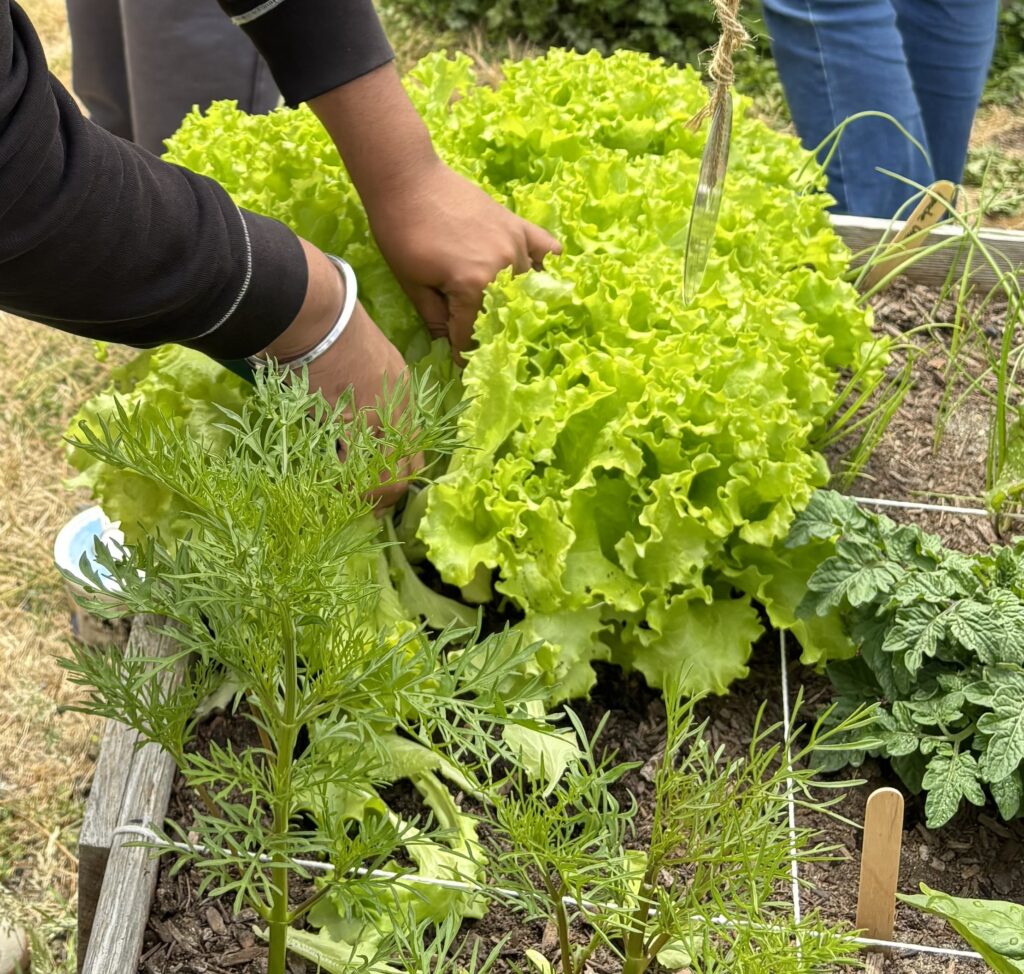
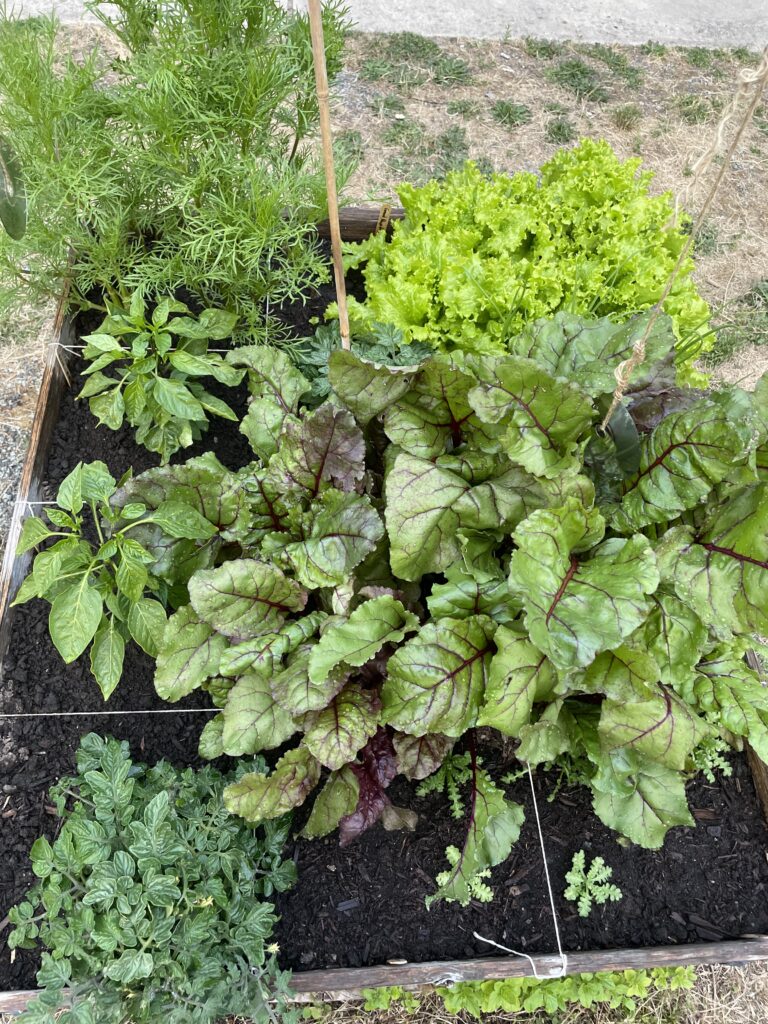
As soon as we harvested the lettuce, we planted more seeds so that another batch could be grown. Likewise, our beets continue to grow and are nearing harvest time. As a result, gardening has taught me the value of patience and has made me more patient overall. Watering our garden every week and seeing its progress turned what seemed like a boring assignment into an exciting project.
Learning from Our Mistakes:
The vegetables in our garden grew well, but our flowers failed to achieve the same level of success. After noticing the lack of growth, we asked for more seeds and tried again. Having some failures was expected, and it was a good learning experience. Rather than giving up, we adapted, kept trying, and eventually succeeded. When we decided to grow flowers, it was because of their appearance, but we never considered the benefits. It was only after I had done some research that I realized how important flowers are to pollination and biodiversity. By growing a wider variety of flowers, we can support more pollinators and increase biodiversity (Neumann et al., 2024). Seeing flowers as part of an ecosystem helped me better understand their contributions to it.
The Importance of Environmental Responsibility:
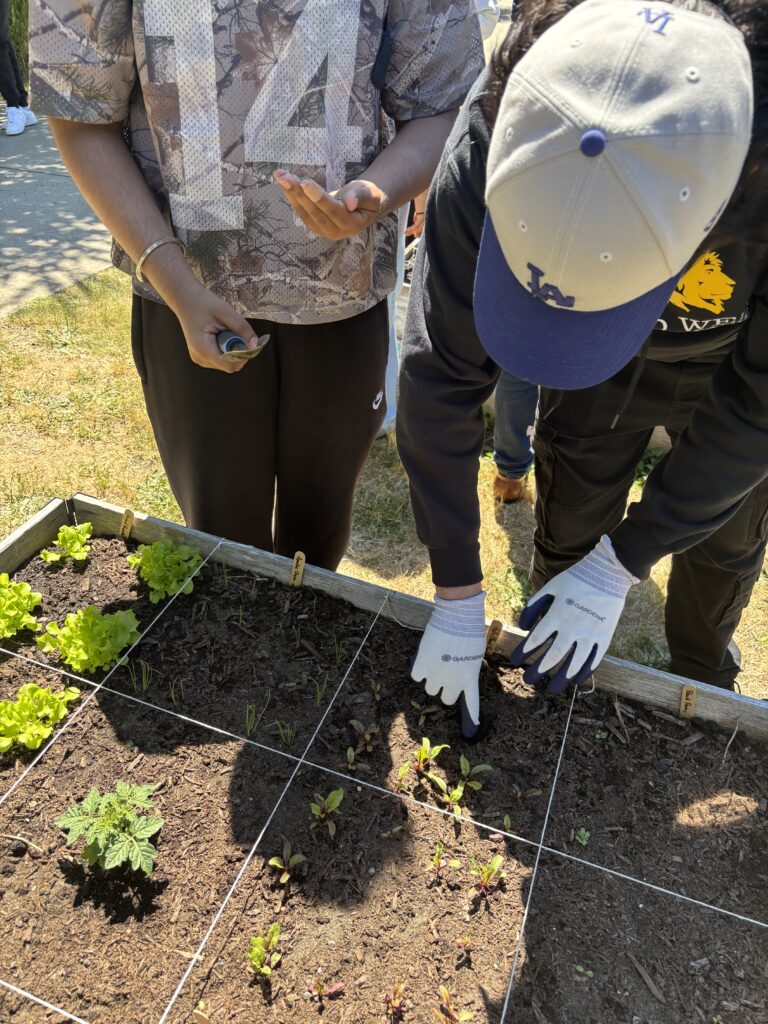
Another important lesson I learned was that a healthy environment needs people to help take care of it. The success of our garden was possible because everyone contributed throughout the semester, no matter if it was watering the garden regularly or replanting flowers. As I have learned throughout this semester, Green Criminology is not only about environmental crimes. This idea is discussed in From Men’s Violence to an Ethic of Care (Burrell & Pedersen, 2024). It is about understanding and strengthening our relationship with the environment and taking responsibility to look after it. According to Burrell and Pedersen, people should take care of nature and see themselves as part of it. This can be seen in our garden, which grew with our weekly care and attention.
Final Takeaways from Green Criminology:
As I look at our garden today, I can see all the time, effort, and teamwork that went into growing it. It is a result of the patience and persistence within our group. Through it, I learned that small actions can help make a big difference when they are taken seriously. This is important because even small green spaces can support biodiversity and healthy ecosystems (Berthon et al., 2021). After reading this article, it reminded me how beneficial even a small garden can be. Though our garden was small, it still contributed to the larger goal of preserving the environment.
References
Berthon, K., Thomas, F., Bekessy, S., et al. (2021). The role of ‘nativeness’ in urban greening to support animal biodiversity. Landscape and Urban Planning, 205, 103959. https://doi.org/10.1016/j.landurbplan.2020.103959
Burrell, S. R., & Pedersen, C. (2024). From Men’s Violence to an Ethic of Care: Ecofeminist Contributions to Green Criminology. (Course reading)
Neumann, A. E., Conitz, F., Karlebowski, S., Sturm, U., Schmack, J. M., & Egerer, M. (2024). Flower richness is key to pollinator abundance: The role of garden features in cities. Basic and Applied Ecology, 79, 102–113. https://doi.org/10.1016/j.baae.2024.06.004
*This was edited using Grammarly*

Hi Armaan, I enjoyed reading your post because gardening really is a learning experience. It forces you to be patient with yourself and the plants, while also teaching you to think on your feet when you run into problems. I think watching your lettuce transform from a nearly non-growing plant to one of the class’s biggest success stories was incredible. The best plant caretaker became nature’s caretaker. I agree with your comment about the flowers as well. Before studying pollinators and biodiversity, I saw flowers as decoration. Now I realize that even our little garden had the power to help or harm pollinators based on what we planted.
Your comments on being environmentally responsible reminded me of Kramer and Bradshaw’s (2020) chapter on ExxonMobil and climate crimes. Green criminology does not necessarily focus on the crimes against the environment. It can also focus on the decisions humans make that either harm or protect the environment. The authors state that continuously using processes that are known to harm the environment can be classified as a “blameworthy harm” since the consequences of their actions are damaging to the ecosystem and climate. Your garden took the opposite approach by taking responsibility for the land through maintenance, learning from your errors, and choosing to plant flowers that benefit the environment.
Lastly, I agree that all little actions count. One garden may not change the world, but knowing that there are people out there teaching children about the importance of our environment and plants can help heal the world one step at a time.
*This post was edited using Grammarly
Reference
Kramer, R. C., & Bradshaw, E. A. (2020). Climate crimes: The case of ExxonMobil. In Routledge International Handbook of Green Criminology (pp. 167-186). Routledge.
Hi Armaan!
I enjoyed reading about the progress your group made with the lettuce, from harvesting it to sharing and replanting. This really made me think about where our food comes from and the effort it takes to produce. When we’re purchasing produce or any other products from a grocery store, we just see the finished product. It’s easy to overlook the labour, land, time, and water it takes to produce it.
This connects to the reading of Lynch et al. (2017) and the discussion of the capitalist treadmill of production. It is explained that capitalism encourages overproduction and overconsumption, which leads to the continuous extraction of natural resources and greater environmental harm. Through your gardening experience, there was an alternative relationship with food shown. The lettuce was grown to its natural limits; it was shared rather than being used for profit and then replanted so more food can be provided. This really shows the difference when food is being produced to meet people’s needs versus overproduction for economic growth.
Your post really shows how gardening can reveal the relationships with the environment which are hidden from consumers.
References:
Lynch, M. J., Long, M. A., Stretesky, P. B., & Barrett, K. L. (2017). Wildlife trafficking, smuggling, and poaching. In Green criminology: Crime, justice, and the environment. University of California Press.