
Planting the Seeds of Sustainability
What I’m learning about Green Criminology from gardening:
Before taking this Green Criminology class, I never thought that gardening had anything to do with criminology. When our class started working on the garden project, I thought we would just be planting vegetables and learning how to take care of them, but as the project continued, I realized that gardening is connected to much bigger issues like food justice, sustainability, and environmental harm.
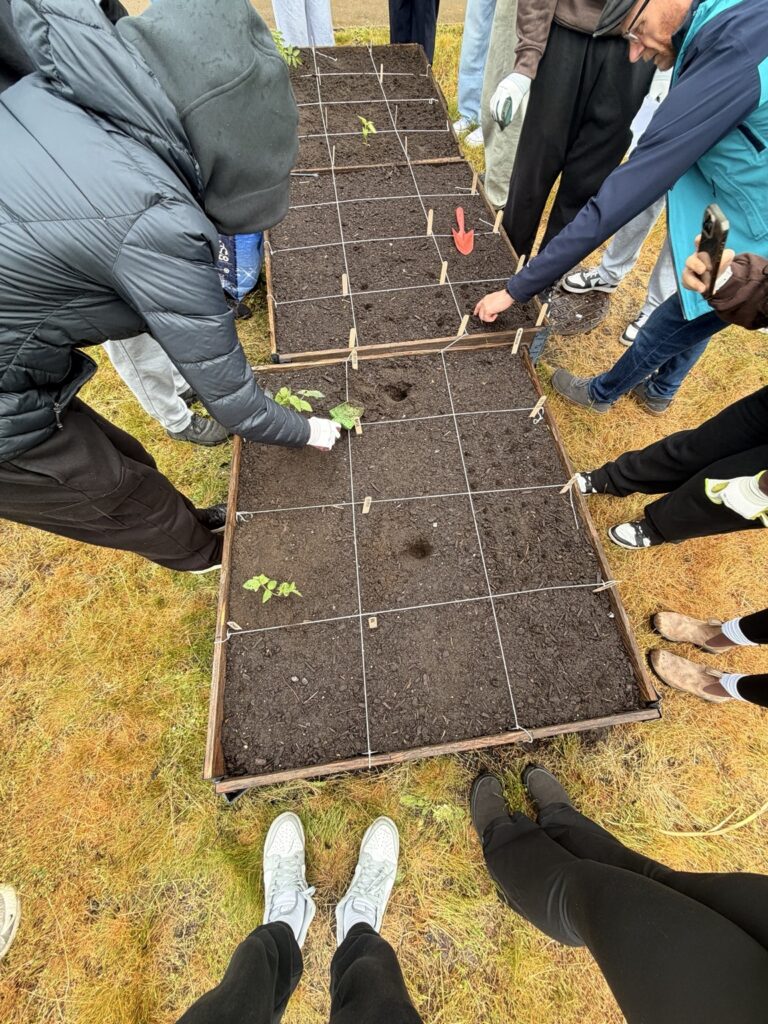
Picture of the garden on the first day
One thing I’ve learned is that Green Criminology is very different from what most people think of when they hear the word “crime.” Instead of only focusing on illegal acts, Green Criminology also looks at environmental harms that affect people, animals, and ecosystems (White, 2017). This helped me understand that these big corporations can cause major damage to the environment even if they are legal for their own financial gain rather than what is best for the environment.
So far, working in the garden has made me appreciate how much effort goes into growing food and the food that I consume. Majority of the time, most of us buy food from grocery stores without thinking about where it comes from or how it was produced. The fact that we are growing vegetables ourselves has helped me understand the value of local food and why access to healthy food is an important issue.
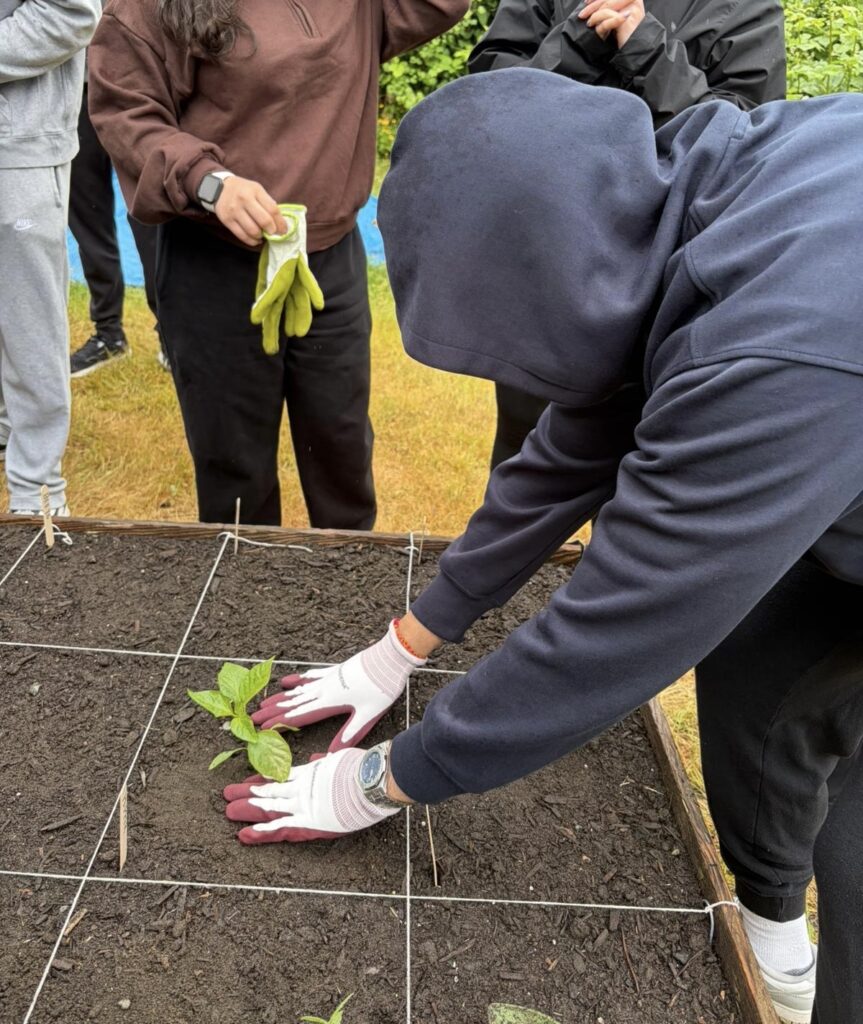
Photo of me planting a pepper starter.
From our readings, this project has also made me think about the environmental impacts of large-scale food production. Tourangeau and Fitzgerald (2020) explain that food systems can create environmental harms through pollution, waste, and other practices that negatively affect ecosystems. By growing food locally, we can reduce some of these impacts and become more aware of our relationship with the environment and see the difference between fresh and processed foods.
What I like most about the garden project so far is that it shows how small actions can make a difference. I know that we are not going to solve these major environmental problems by planting a few vegetables, but the experience is teaching us about sustainability and environmental responsibility. This project and what I have personally seen at home has shown me that protecting the environment is something everyone can contribute to, not just governments or large organizations.
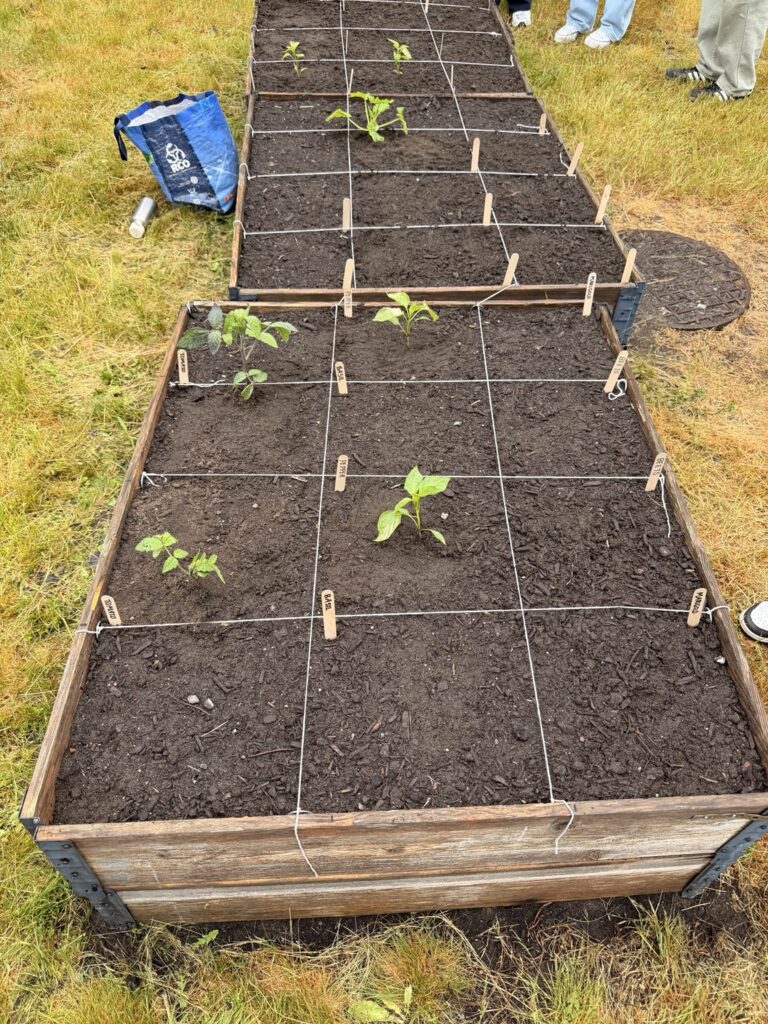
My groups box
Overall, this project so far has helped me understand Green Criminology in a more practical way rather than thinking of it as just a “gardening class”. Instead of only reading about environmental issues in class, I have been able to see how concepts like food justice and sustainability connect to real life. The garden may seem small, but it has taught me some important lessons about our relationship with food, communities, and the environment.
References
Tourangeau, W., & Fitzgerald, A. J. (2020). Food Crime and Green Criminology.
White, R. (2017). Critical Green Criminology.

Provide Feedback