
First impressions:
At the beginning of this course, I found myself wondering what green criminology had to do with crime and why gardening was included as part of a course assignment. At first, I did not fully understand the connection, but as I read the course material and attended class, I became more open to the idea and started to see how the garden could relate to the topics we were learning. As we began spending time in the garden, I felt a sense of nostalgia and joy because it reminded me of my childhood, playing in the dirt, looking for bugs, and helping my parents with gardening. Being in the garden brought me a sense of peace and stability, and it made me excited to see what our crops would look like in a few weeks. It also teaches me patience and helps me appreciate where food comes from.
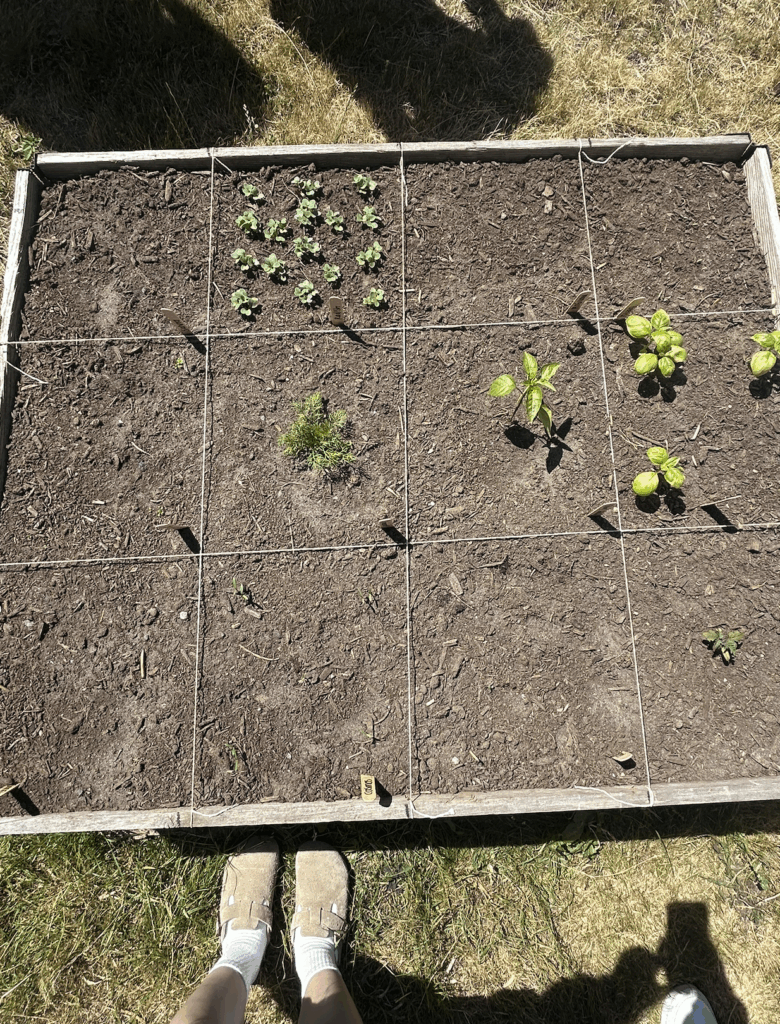
Our garden
How Gardening Connects to Green Criminology
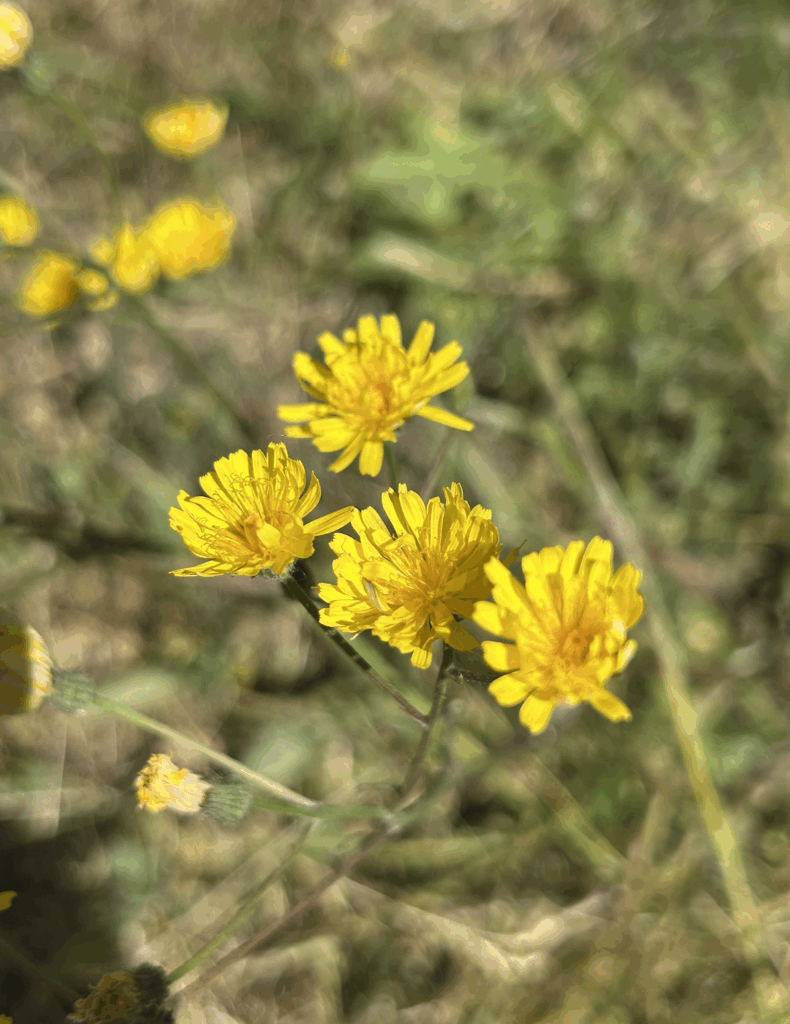
Spending more time in the garden and learning about green criminology in class helped me understand ecosystems and how different parts of nature work together. Ecology in green criminology looks at how human activities affect ecosystems, which include living things such as plants and animals, as well as non-living elements like air, water, and soil (White, 2018). After learning about ecology in green criminology, I realized that environmental harm affects entire ecosystems rather than just animals and plants. Green criminology also focuses on harms against humans and the environment, including negative impacts on human health. I think green criminology is important because ecology is what connects nature. For example, the soil supports the plants, the plants attract insects, and each part plays a role in maintaining the ecosystem. It is a cycle in which different species depend on one another to survive. When humans damage environments through actions such as deforestation or water pollution, the effects spread throughout the ecosystem. As a result, these harms can affect plants, animals, as well as the resources that people rely on, including food.
Food Justice, Harm, and Responsibility:
While gardening made me appreciate where food comes from, the food justice chapter made me question what goes on behind the scenes in industrial food production, especially regarding animals. Many large companies present themselves as ethical and responsible producers. However, many articles and investigations have accused some companies of harming animals and failing to meet the standards they advertise. According to Tourangeau and Fitzgerald (2020), animal welfare regulations can be violated through inhumane treatment, transportation, and slaughter. This connects to green criminology because it focuses on harms that may not always be considered crimes. What stood out to me was the difference between how some companies present themselves and what may actually happen behind the scenes, and where my food comes from and the hidden harms that can exist within food production.
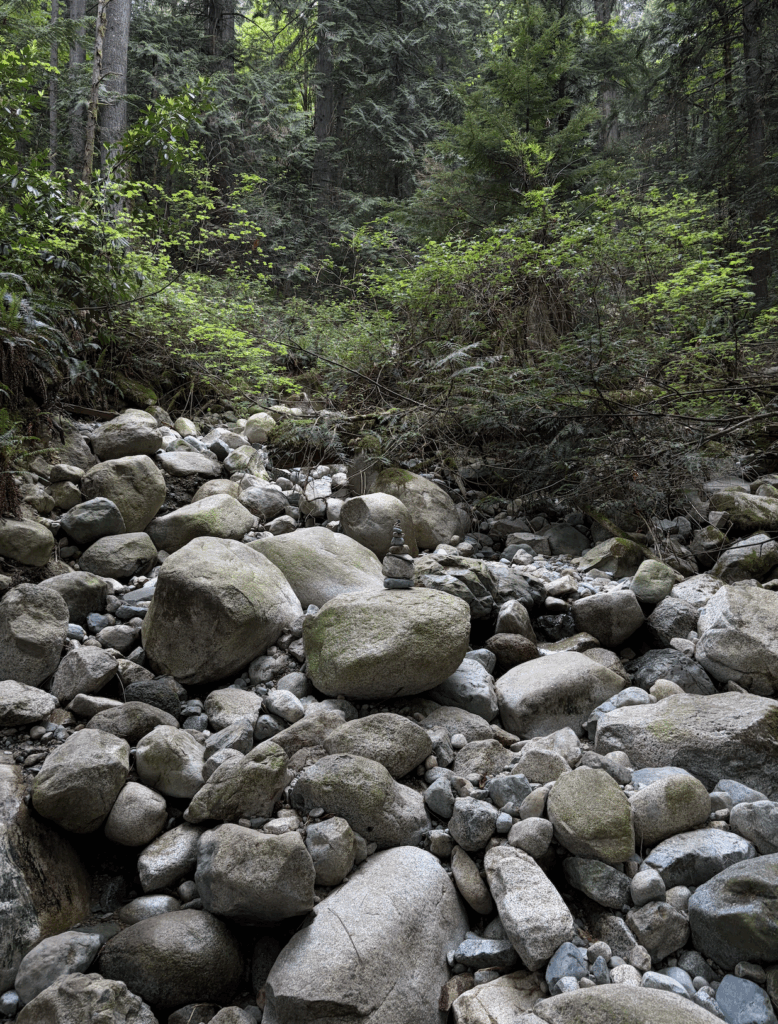
Quary Rock Hike – Rocks
In conclusion, gardening and green criminology have made me realize how much I care about our ecosystems and how even small parts of nature play a role in keeping them healthy.
References
Tourangeau, W., & Fitzgerald, A. J. (2020). Food crime and green criminology. In Routledge international handbook of green criminology (pp. 205–221). Routledge.
White, R. (2018). Critical green criminology. In Routledge handbook of criminology (pp. 120–131). Routledge.

Provide Feedback