What is Green Criminology?
A category of criminology known as “green criminology” focuses on crimes, laws, and injustices that impact humans, animals, and ecosystems. It developed as a response to classical criminology, which has traditionally focused on victims, offenders, and street crimes while frequently ignoring environmental factors. By studying behaviours that hurt the environment, regardless of whether they are legally classified as crimes, green criminology reduces the limits of harm. According to the course material, green criminology was developed because “Traditional criminological approaches exclude examining a broad range of behaviours that harm ecosystems and that produce harms to the spectrum of living beings that inhabit the Earth” (Lynch & Long, 2022, pg 257). This point of view implies that environmental damage can have negative impacts on all living things. Many different types of environmental issues, such as pollution, climate change, illegal wildlife trafficking, habitat destruction, deforestation, animal abuse, and overuse of natural resources. For instance, habitat destruction can drive wildlife from their native habitats and increase the possibility of species extinction, while pollution damages water sources and endangers aquatic life. By studying these issues, green criminology promotes more accountability for those in charge and increases public understanding of environmental consequences.
My Experience with Gardening
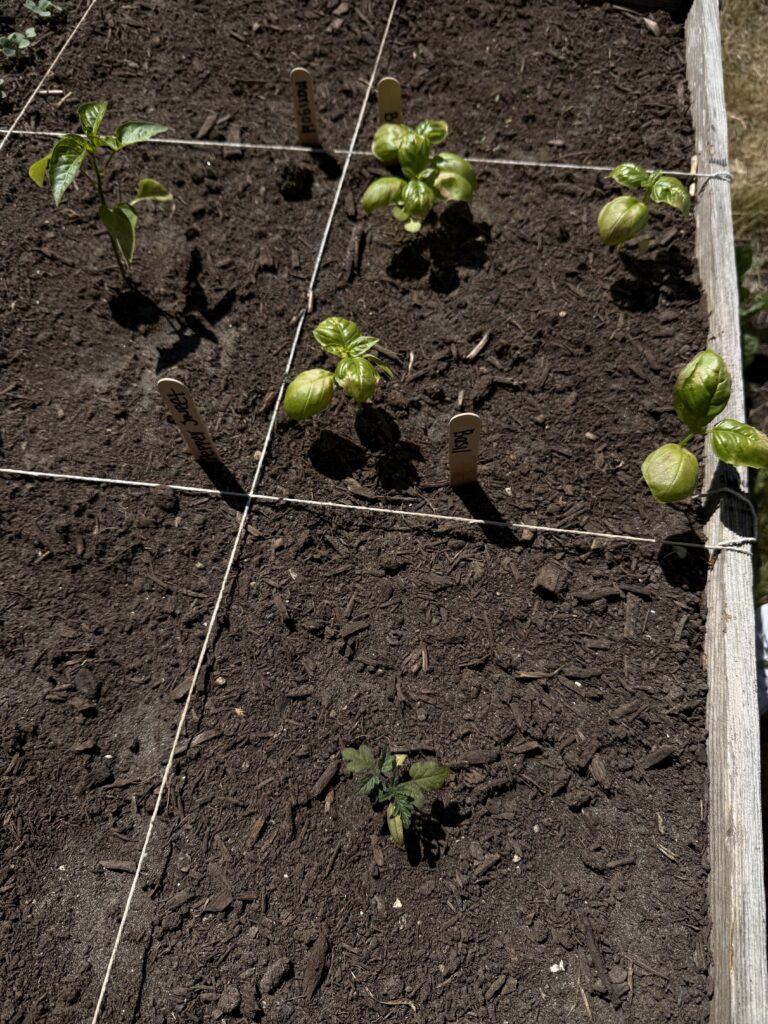
My experience with gardening is still very new, as I had no prior experience before starting this project. I didn’t know much about gardening at first, but I was excited to pick up some new skills. Planting the seeds was one of the most interesting parts. I learned something I had never known before: the seeds had to be planted in shallow holes rather than deep in the ground. Being involved in the process and learning how plants start to grow was exciting. I have a deeper respect for the environment and the effort needed to grow plants. I learned from seeing the seeds grow that plants require sunlight, water, quality soil, and care to thrive. I had never given any thought to the amount of work involved in growing plants until this class. I also learned the value of environmentally friendly approaches from gardening. Plants can flourish while protecting the environment by using water wisely, avoiding harmful chemicals, and caring for the soil. This experience has deepened my awareness of nature and the significance of protecting it, even though I am still at the beginning.
My Animals and Their Connection to Nature
I now have a deeper respect for the environment and the value of taking care of living things, thanks to my animals. I’ve learned from spending time with animals, and relying on people to offer a respectful, safe, and healthy environment is very important. They are linked to nature, whether they are exploring the outdoors, taking in the fresh air, or just engaging with their environment. Watching them has increased my understanding of how important it is to protect the environment so that animals can live healthy lives. This concept is related to green criminology, which studies environmental and animal problems. “Food production, particularly at industrial scales, has severe negative consequences for animals and the environment,” Tourangeau & Fitzgerald, 2019, pg 211). This quote emphasizes how human actions can harm ecosystems and animals, even when those harms aren’t typically considered traditional crimes. I’ve learned the importance of empathy, accountability, and animal care through my interactions with animals. I have understood that animals are important parts of wider environments that need to be protected, in addition to being a part of our daily lives. From the perspective of green criminology, taking care of animals involves understanding their worth and attempting to lessen the environmental damage that threatens their well-being.

Source
Lynch, M. J., & Long, M. A. (2022). Green criminology: Capitalism, green crime and justice, and environmental destruction. Annual Review of Criminology, 5, 255–276. https://doi.org/10.1146/annurev-criminol-030920-114647
Tourangeau, W., & Fitzgerald, A. J. (2019). Food crime and green criminology. In M. J. Lynch & R. A. Stretesky (Eds.), The Routledge international handbook of green criminology. Routledge.

Provide Feedback