Growing Green
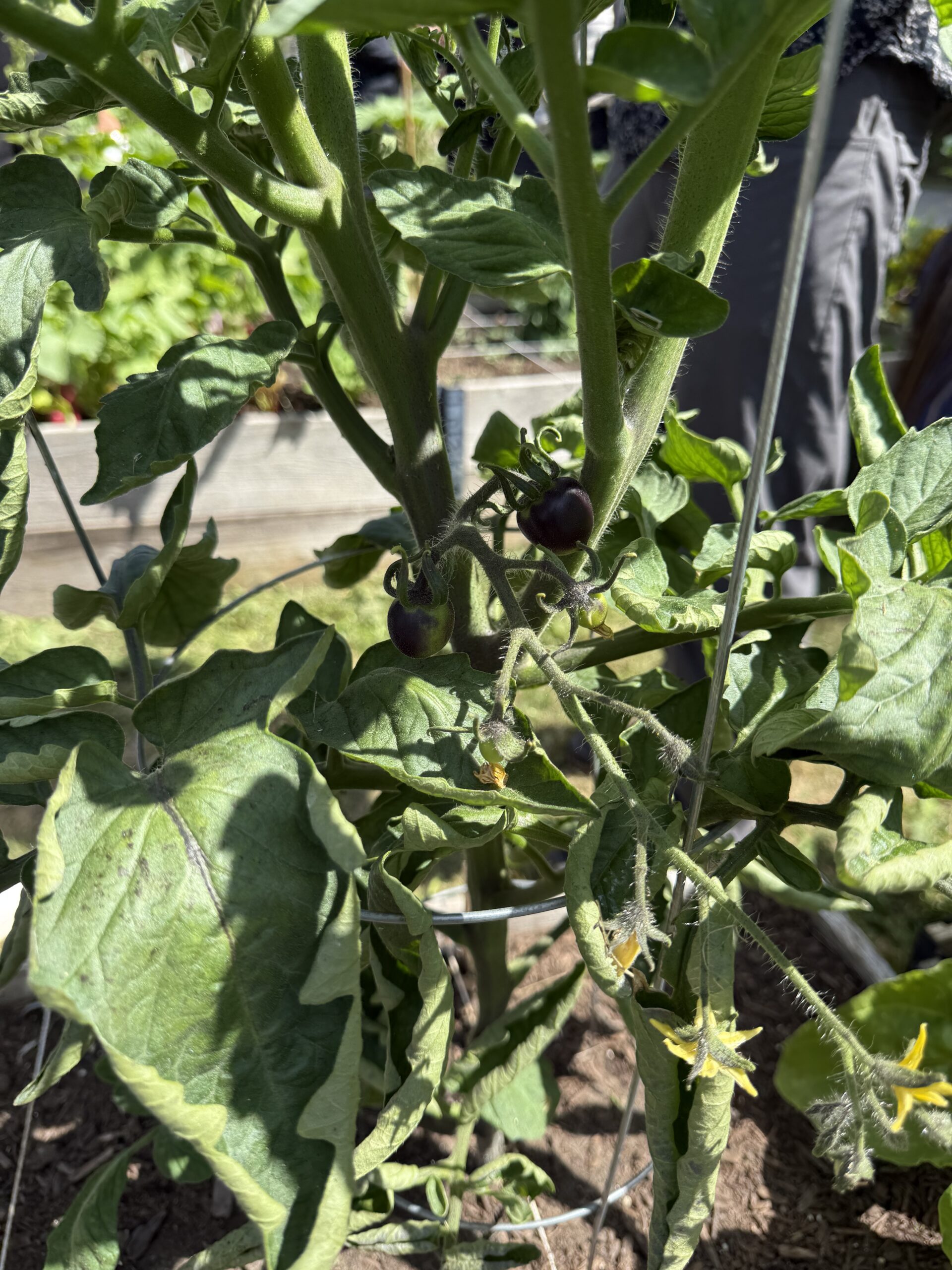
As the semester has gone by, I viewed gardening as nothing more than a relaxing hobby. I enjoyed planting tomatoes, peppers, basil, and beets, but I never considered how growing food connected to environmental justice. After reading David R. Goyes’ chapter on Southern Green Criminology, I began to see my garden differently. It became a reminder that healthy ecosystems are essential not only for growing food but also for protecting communities around the world. As I cared for my plants, I reaized how dependent they were on clean water, healthy soil, sunlight and pollinators. Gardening taught me that food does not simply appear in grocery stores- it depends on a healthy environment. This made me think about how environmental destruction affects people whose lives depend directly on the land. Goyes (,2023) explains that environmental harm is not dostributed equally. Many countries in the Global South experience the greatest environmental damage while wealthier countries often bemefit from extracting natural resources. He describes examples such as toxic waste being dumped in Ivory Coast, palm oil production causing deforestation and displacment in Southeast Asia, and oil extraction polluting ecosystems in Ecuador (Goyes, 2023). These examples show that environmental harms often fall on local and Indigenous communities while corportaions and wealthier nations receive the economic benefits. Overall, gardening has become much more than a hobby for me. It has strengthened my appreciation for nature while helping me understand the broader issues of environmental justice discussed in Green Criminology. Our garden reminds me that caring for the envirobment starts with everyday actions, but it also requires us to recognize the global inequalities that continue to shape environmental harm.
Goyes, D. R. (2023). Southern green criminology: Fundamental concepts. In D. R. Goyes (Ed.), Green crime in the Global South. Springer.

Provide Feedback