Learning From My Roots
Gardening has always been a part of my life, from my roots to my current life. My parents and ancestors were born and raised in India, Punjab, where they excelled in gardening all sorts of crops. Sugar cane, wheat, mustard, corn, chick peas and potatoes were mainly planted throughout the year. In Punjab, farming is a big deal. Majority of the people there only eat organic, fresh vegetables that grow in their very own gardens. With love, care and patience they plant and harvest daily.
When my parents immigrated from India, the gardening never stopped. From a young age I saw them get dirty in the garden often, till today. But I never understood why. Why can’t they just buy the fruits and vegetables? It is so much easier and quicker. However when I began this gardening project, it all began to make sense. They get to choose what they want to plant and know that it is completely organic and chemical free. They can trust the food that they are eating because they grew it on their own.
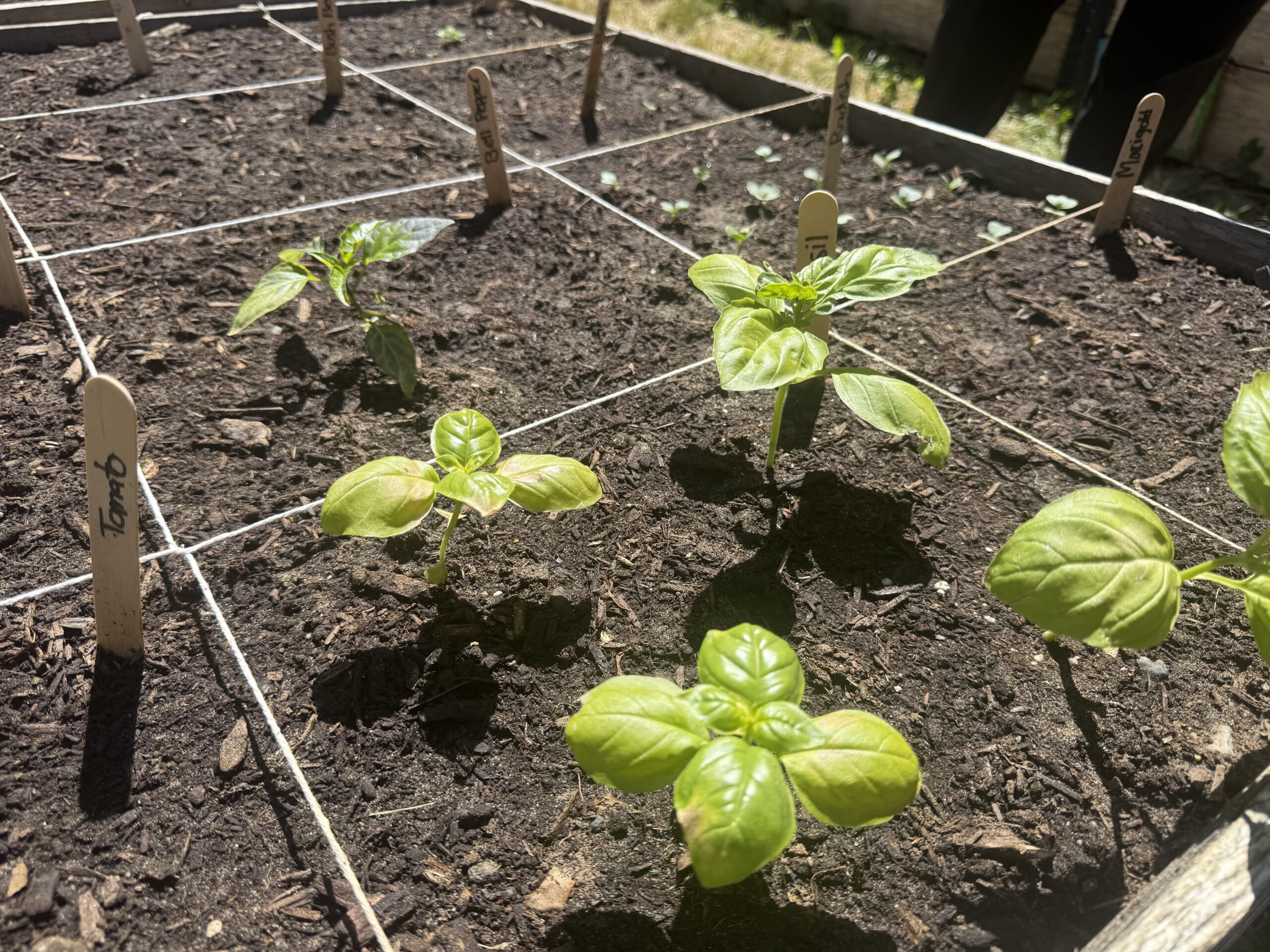
In the past couple of weeks I learnt a lot. Patience, care and responsibility are all a big factor in growing a healthy garden. It takes a lot of effort but I am waiting for it to pay off. I realized how much actually goes into gardening. From planting the seed at the right level to watering daily and making sure pests don’t destroy the plants. I realized that one mistake can cause it to end horribly and I also learnt how calming it is to actually water the plants. It makes me feel as if I’ve never connected with nature before, in the right way.
Connecting My Learning to My Experience
In the article “Food Crime and Green Criminology,” by Tourangau, W., & Fitzgerald, A. J., taught me how food crimes can potentially affect the health and safety of consumers by simply mislabelling or committing food fraud. This is extremely concerning as we tend to rely on the government to ensure us that we are being fed healthy foods that are labelled correctly. Misleading the public about the ingredients in foods we buy can cause serious health issues and can cause distrust between the government and general public. This experience helped me think about how important it is to be aware of what we buy and consume, especially since I am now aware of the production process. Although I understand they may commit these crimes to make great profit for their companies and businesses, it is creating barriers for us, consumers, to make safe choices regarding food.
SOURCES: Tourangeau, W., & Fitzgerald, A. J. (2020). Food crime and green criminology. In N. South & A. Brisman (Eds.), Routledge international handbook of green criminology (2nd ed., pp. 205–221). Routledge. *ChatGPT used for editing*

Hi Gurlin,
I really connected with your post because my experience is very similar when it comes to gardening and understanding where food comes from. My family is also from a Punjabi background, where farming and growing food have always been an important part of their life. Seeing my family grow crops like wheat, corn, potatoes, and sugarcane made me realize how much effort and care go into producing everyday food. As we are doing this gardening project, my perspective has changed. I now understand that growing your own food gives you more control over what you eat and a stronger sense of trust in its quality and freshness. It also made me realize how much patience and consistency are needed, even in something that seems simple.
This connects to the idea that harm in food production is not always obvious or illegal. As Gladkova (2023) explains, “Food production may involve serious harms that lie beyond traditional definitions of crime and are not statutorily proscribed” (p. 4). This helped me understand that even if something is legally allowed, it can still have negative impacts on people and the environment, which makes being aware of where our food comes from even more important. I also agree with your point about food safety and food-related harm. The reading made me think more critically about how food can be mislabelled or processed in ways that the public may not always be aware of. It is concerning because we depend on the given information when making choices about what we eat. This experience, along with gardening, has helped me think more about where food comes from and how important transparency is in food production.
Gladkova, E. (2023). The harms and crimes of farming/food. In Oxford Research Encyclopedia of Criminology and Criminal Justice. Oxford University Press. https://doi.org/10.1093/acrefore/9780190264079.013.776