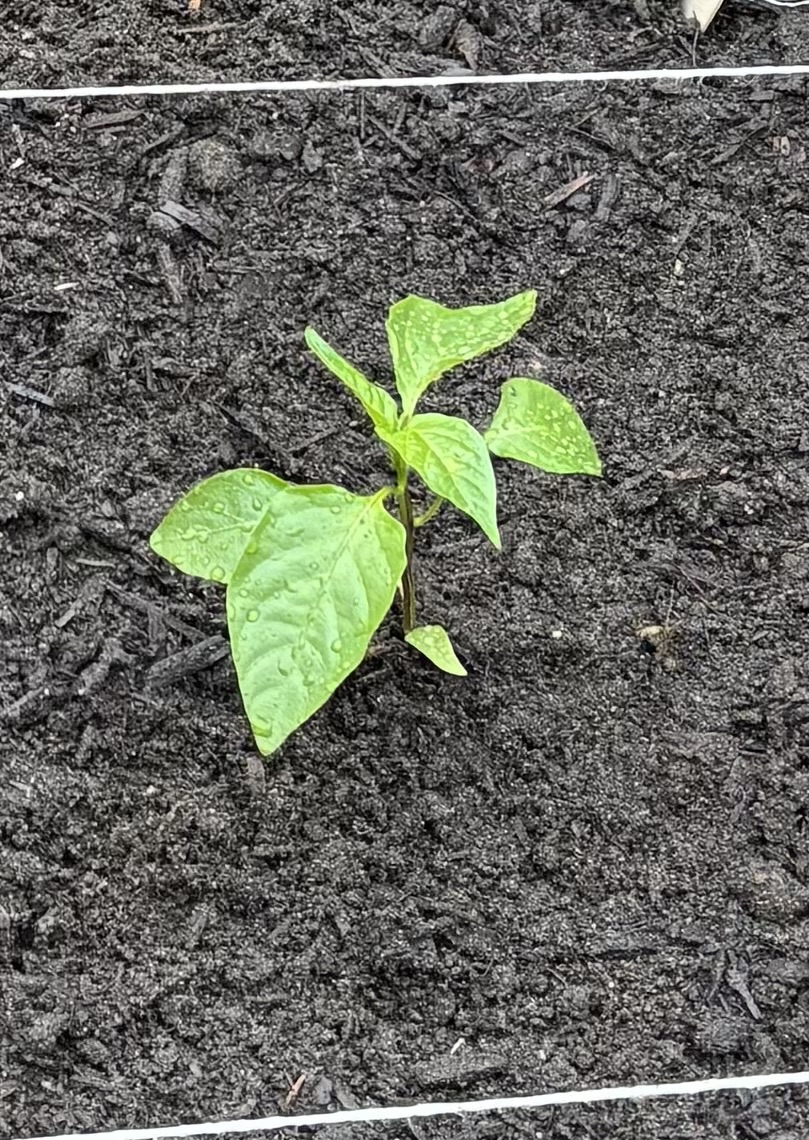
Green Criminology?
Upon seeing this course for the first time at KPU, this was my immediate reaction. At first, I thought this course would simply cover the major environmental harms such as pollution, but I could not have been more wrong. I expected this course to cover lectures and readings; however, the gardening project caught me by surprise. My perspective on Green Criminology has drastically changed after four weeks in this course and three weeks of gardening. I am pleased to be part of this diverse experience and looking forward to the journey ahead. It all began at 12:15 PM on Thursday, May 28, while I was outside watering plants in the KPU garden boxes in 26 degree weather, barely realizing I was in school. At first, gardening felt like a participation activity only meant for grading. As we spent time in the garden each week during this course and watched our plants grow, I was beginning to question the reality of food production. Having never considered this before, I began wondering if gardening was making me think more critically about the environment.
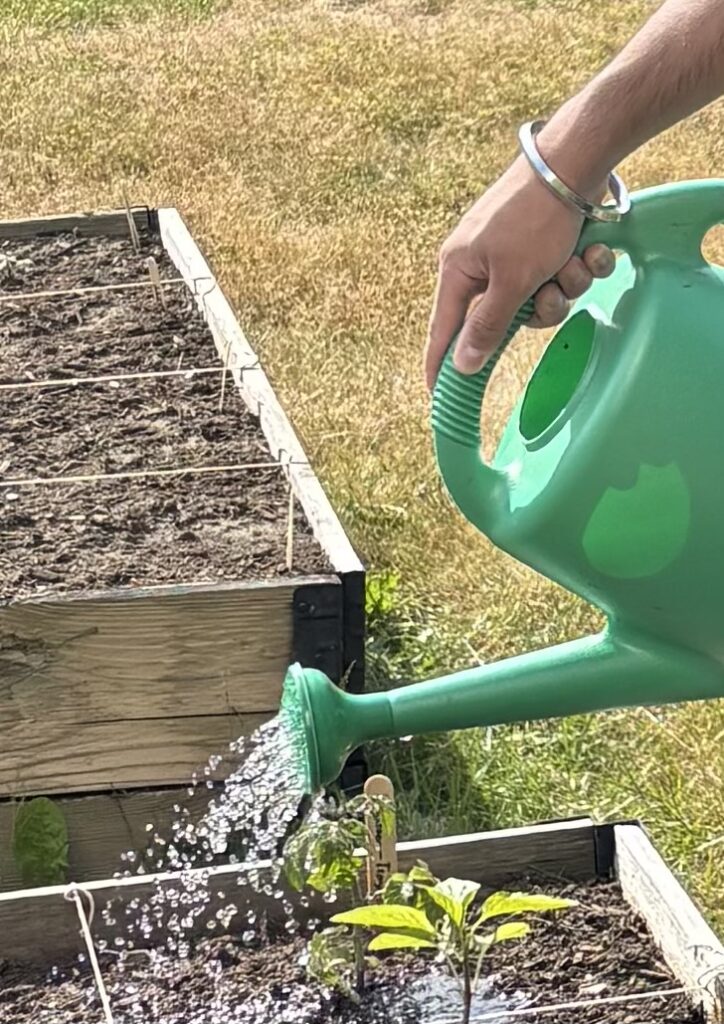
First Day Watering: Thursday, May 28th, 26°
Seeing Food Differently
One month ago, I viewed food as always available and easily accessible. When I planted and watered our garden, my perspective on food accessibility shifted. My parents always gardened in our backyard, but doing it myself for the first time made me realize how much effort and resources are involved. As a criminology student I believed that crime only involved laws being broken; however, in “Food Crime and Green Criminology,” this belief was challenged. The article emphasized that food practices that harm animals and the environment can still be legal (Tourangeau & Fitzgerald, 2020, p. 205). This made me realize that environmental harm can occur legally and go unnoticed. Due to this, I began to think more critically about false advertising and marketing in the food industry. Just a month ago, I would not have questioned companies that claim to be environmentally friendly and sell eco-friendly products. However, learning about “greenwashing” made me realize that some companies are not actually eco-friendly, even though they claim to be (Brisman & South, 2018, p. 135). Now, whenever I see a product labelled as eco-friendly, I want to look into it a bit more and learn more about the company.
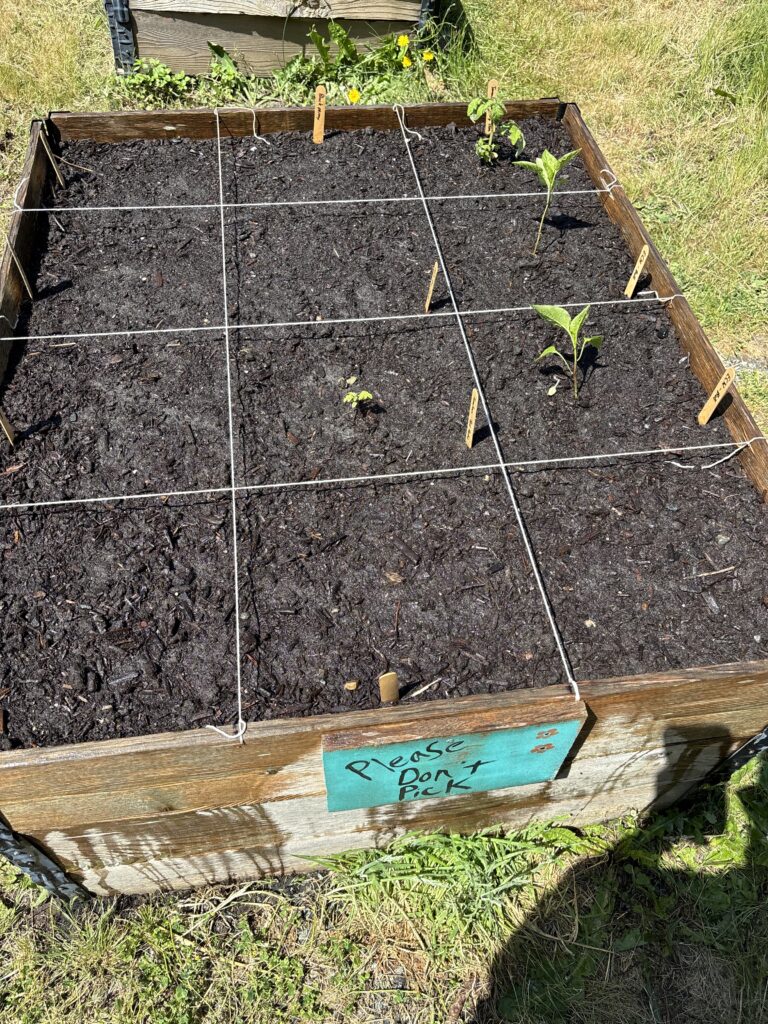
KPU Garden Box
What I’m Learning About Green Criminology
Lastly, the readings and gardening have positively influenced my understanding of green criminology. Before this course, the only thing that came to mind when environmental harm was mentioned was pollution. Now, I know that green criminology looks at hidden environmental harms and how companies influence people’s thinking through false advertising. Gardening itself helped me understand these ideas in a stronger and personal way. It is important to realize that many environmental harms are technically legal, which is why they rarely get attention.
References
Brisman, A., & South, N. (2019). Green cultural criminology. In The Routledge international handbook of green criminology (pp. 132–142). Routledge.
Tourangeau, W., & Fitzgerald, A. J. (2019). Food crime and green criminology. In The Routledge international handbook of green criminology (pp. 205–221). Routledge.
Brisman, A., & South, N. (2019). Green cultural criminology. In The Routledge international handbook of green criminology (pp. 132–142). Routledge. Tourangeau, W., & Fitzgerald, A. J. (2019). Food crime and green criminology. In The Routledge international handbook of green criminology (pp. 205–221). Routledge.

Hi Armaan, your reflection on how gardening changed the way you think about food was really interesting to read. I had a similar reaction when learning that many harmful practices in the food industry are actually legal. Your point about greenwashing connects to something Tourangeau and Fitzgerald (2020) discuss in the reading that green criminology should go beyond just looking at what is illegal, and instead focus on actions that cause real harm even when no laws are broken (p. 209). This is important because, as you pointed out, companies can mislead consumers while staying within the law. Tourangeau and Fitzgerald even suggest using the term “food offences” to describe these kinds of harmful but legal actions (p. 210), which seems like a perfect way to describe greenwashing. Your post got me thinking about how difficult it is for customers to make wise decisions when they are first presented with false information. It serves as a reminder that harm does not always appear to be illegal.
Tourangeau, W., & Fitzgerald, A. J. (2020). Food crime and green criminology. In Routledge international handbook of green criminology (pp. 205–221). Routledge.