My Gardening Experience
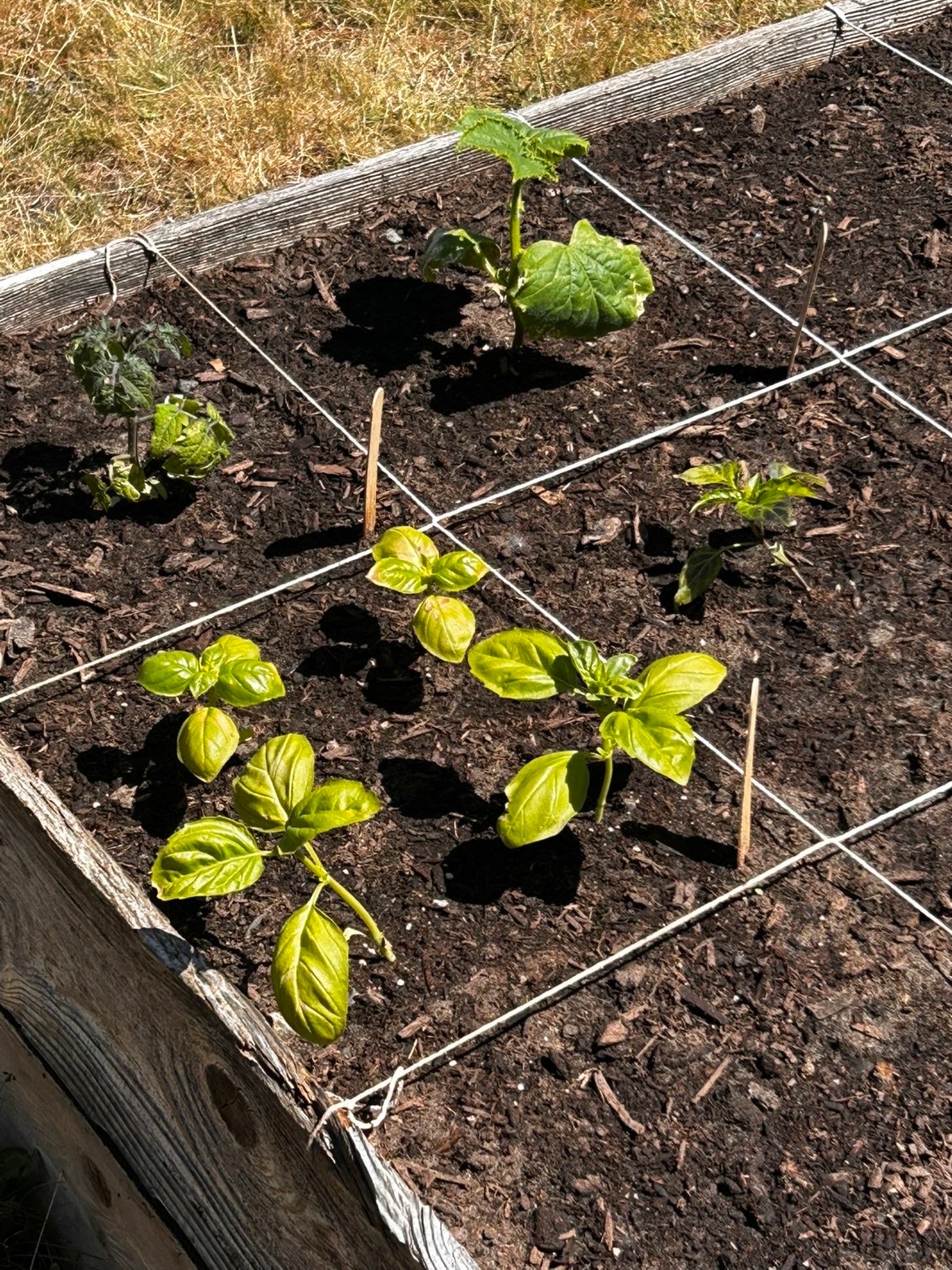
Before taking Green Criminology, I never would have even thought that gardening would change the way I think about food. For the last couple of weeks, my group and I have been working on our own mini garden where we planted beets, arugula, radishes, cucumbers, daisies and more. Every Friday, I go check up on the garden to water the plants and see how they are doing. Out of everything we planted, my favourite plant to watch grow has been the radishes because they were the fastest to sprout without a starter. Before this project, I had never grown food myself. I quickly learned that gardening is actually very simple, but it requires you to be patient and consistent, which is something I am working on. Before doing the readings on food crime, I mainly thought that issues related to food were things like false advertising or things like food recalls. I wouldn’t really focus much on how the food ends up at grocery stores or even what the process is for getting it there. I quickly realized that food is connected to a lot of other issues that involve hurting animals as well as the environment.
Green Criminology
Tourangeau and Fitzgerald (2020) talk about how food crime is has a large association with things like food fraud contamination and false labeling this was something that I was already aware of but they also argue how there are so many harmful practices that individuals are engaging in that still, to this day remain legal even though they cause a large amount of harm there was a concept I was mentioned in the reading about the food offences which was essentially actions that don’t necessarily break any laws but are hurting not only people but also animals. I was very surprised to learn that over 1.59 million animals die during transportation each year because of poor transportation practices and conditions (Tourangeau & Fitzgerald, 2020). It is sad to see that there are so many deaths of all these animals that can easily be prevented. To this day, it is still very normalized when it comes to producing food. Learning about these harms felt different while engaging in the gardening project. It was interesting to see the difference between growing our garden and focusing on caring for the plants and helping them grow, while comparing that to large-scale food production, where they only care about making more profit.
When it comes to food production, I don’t really think about all of the damage that is behind it. As a consumer, I usually only really see the final product that is on the grocery store shelves when I go grocery shopping. I will say that the garden, as well as the readings about the reality behind food production, changed my mindset. I actually found planting seeds and waiting for them to grow very refreshing because it was something that I had never done before. I feel like it also helped me appreciate the care and the time that goes into producing food. In the reading by Gladkova (2023), it explains how there are so many issues that play a role in damaging the environment, like pollution, as well as greenhouse gas emissions. I found this to be very important because it has a major impact on our environment, and it made me realize that the harm that is caused by all of these food systems is a lot more damaging than I thought. I’ve learned that it affects animals, us consumers, and the environment all at the same time. It also taught me that green criminology looks beyond the food that we eat and how everything is connected to a larger production that involves harming the environment.
References
Gladkova, E. (2023). The Harms and Crimes of Farming/Food. Oxford Research Encyclopedia of Criminology.
Tourangeau, W., & Fitzgerald, A. J. (2020). Food Crime and Green Criminology. In Routledge International Handbook of Green Criminology (pp. 205-221). Routledge
*This blog was edited using Grammarly*

Hi Gurleen, I really enjoyed reading your blog post as it helped me think about the connection between food production and green criminology. Similarly, to you I never really thought much about how animals play a role in our food production chain. Learning that 1.59 million of these animals die just during the time they are transported is very shocking. This has allowed me to see that not only is there a lack of education about green criminology but also about the number of animals that suffer during transportation.
Tourangeau and Fitzgerald (2020) mention how even in Canada during the transportation period which can last several days, these livestock go through several hardship which include not being fed, little to no water, being confined in a cage, and so much more (page 212). This article and your blog post allowed me to further understand that green criminology is not just about the environment, plants, or even us humans, but also other species and animals. Animals who are treated brutally and many of which severely suffer or die before they are transported to a certain area/place. If we can care about growing our plants with so much care, then why do we not provide the same or even more care to these animals is a big question for the industry. Thank you for such an insightful and well written blog post!
Reference
Tourangeau, W., & Fitzgerald, A. J. (2020). Food Crime and Green Criminology. In Routledge International Handbook of Green Criminology (pp. 205-221). Routledge