Understanding Lakes Shortages
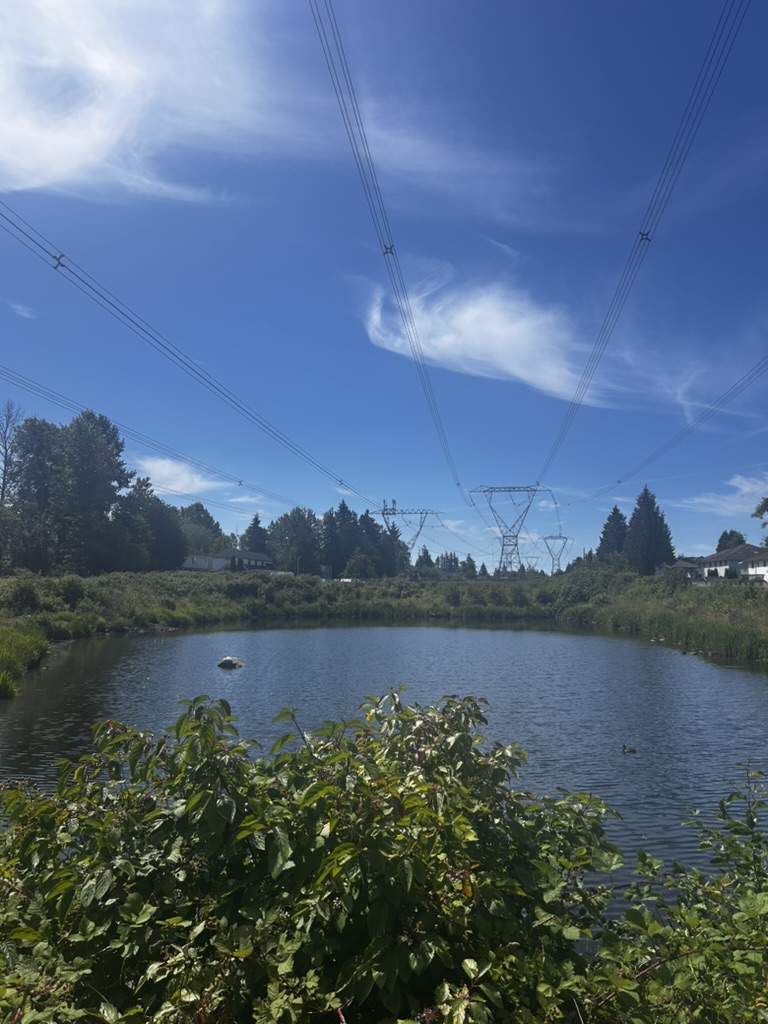
The Cougar Creek field trip helped me learn a significant amount about water scarcity in our lakes, its underlying causes, and its impact on the environment and wildlife. Guest speaker Deborah Jones provided valuable background information on Surrey’s historical landscape and discussed how sewage being discharged into local lakes causes severe harm to aquatic life. Throughout our walk, we learned how human interference—such as the construction of buildings, roads, and pavement—blocks various creeks, leading to droughts and environmental degradation.
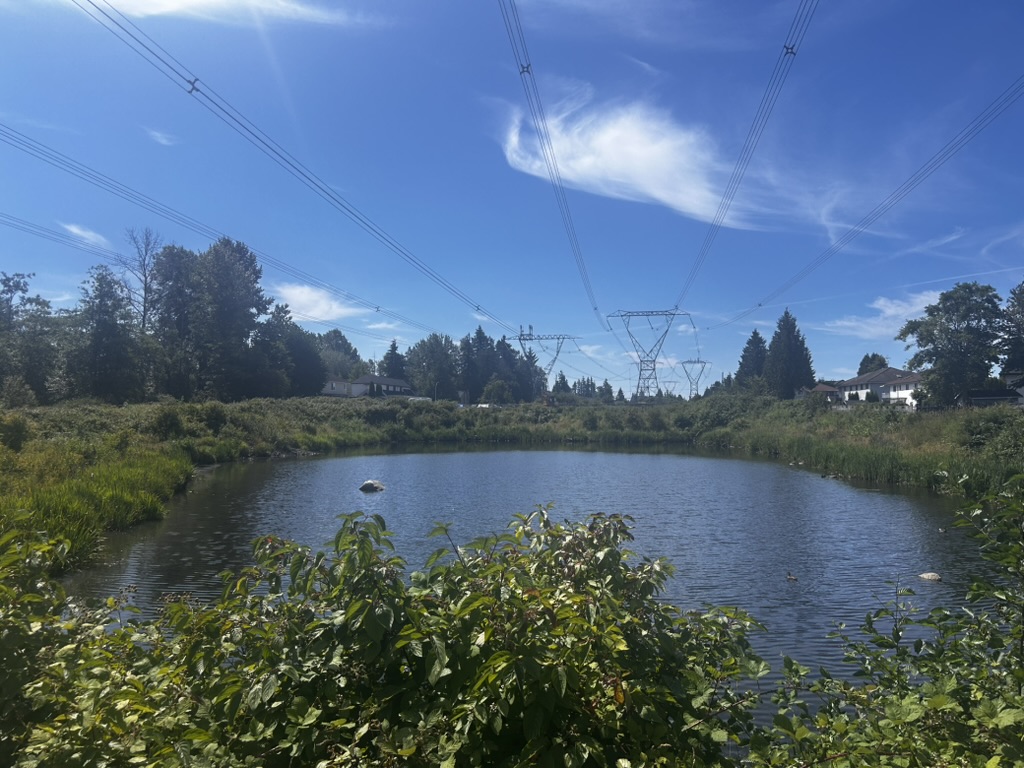
This directly connects to our course reading, “Green Culture Green Criminology” by Avi Brisman and Nigel South, which discusses how human activity and interference cause environmental harm and species decline driven by profit and consumerism. Seeing the effects of the drought at Cougar Creek firsthand tremendously helped me understand these factors, as the heavily reduced and blocked water flow has caused populations of species like ducks and salmon to decline. Another strong parallel can be drawn to the reading, “From men’s violence to an ethic of care: Ecofeminist contributions to green criminology” by Stephen R. Burrell and Cassie Pedersen. They emphasize male dominance over ecosystems, noting that traditional masculinity views ecology as a resource to conquer for human benefit instead of an environment to sustain.
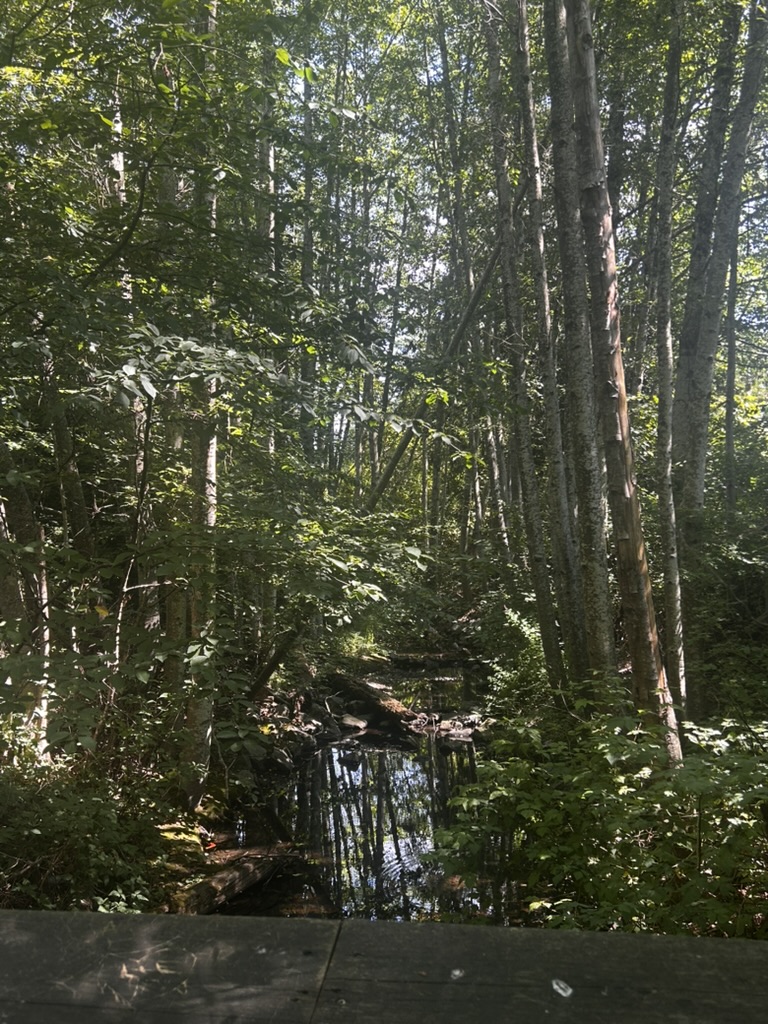
Combining the field trip with our gardening project, I believe I have gained a tremendous amount of knowledge regarding environmental harm, sustainability, and the factors contributing to climate change. Although I was previously unfamiliar with terms like “greenwashing” and “ecocide,” learning throughout the semester and working on our project helped me make numerous connections to the factors driving environmental harm and population decline. Ultimately, studying green criminology has helped me understand that nurturing and protecting our environment requires a collective, global effort rather than focusing on just one isolated area.
This Blog Was Editted Using Grammarly AI Brisman, A., & South, N. (2018). Green cultural criminology. In Routledge handbook of critical criminology (pp. 132-142). Routledge. Burrell, S. R., & Pedersen, C. (2025). From men's violence to an ethic of care: Ecofeminist contributions to green criminology. Journal of Criminology, 58(3), 372-388.

Very enjoyable read Nathan! I really like how you spoke about tying something local that you saw at Cougar Creek into a much bigger structural problem. I feel that it resonates quite strongly with the treadmill of production. The argument lines up with it well when you look at it from the lens of capitalism pushing for more production, and that expansion means constantly pulling resources out of ecosystems and dumping waste back into them, regardless of the damage (Stretesky et al., 2013). The pavement and development in the city blocking the creek’s flow is basically a textbook example of the ecosystem being pushed out, while the land and water is reorganized to fit human uses instead of creek uses.
What stood out to me is your point about seeing it firsthand. That’s the definitely the part of the treadmill theory that it doesn’t exactly capture, it does explain the structure but not the actual weight of watching a species decline in real time. A paper I read talks about environmental law needing to shift a lot from just protecting human interests, to actually focusing on protecting the health of the whole ecosystem, instead of just managing the damage after it’s already done (Montini, 2021). I believe that very much highlights and supports what you talk about in your blog post.
References:
Montini, M. (2021). The transformation of environmental law into ecological law. From environmental to ecological law (pp. 11–23).
Stretesky, P. B., Long, M. A., & Lynch, M. J. (2013). The treadmill of crime: Political economy and green criminology.