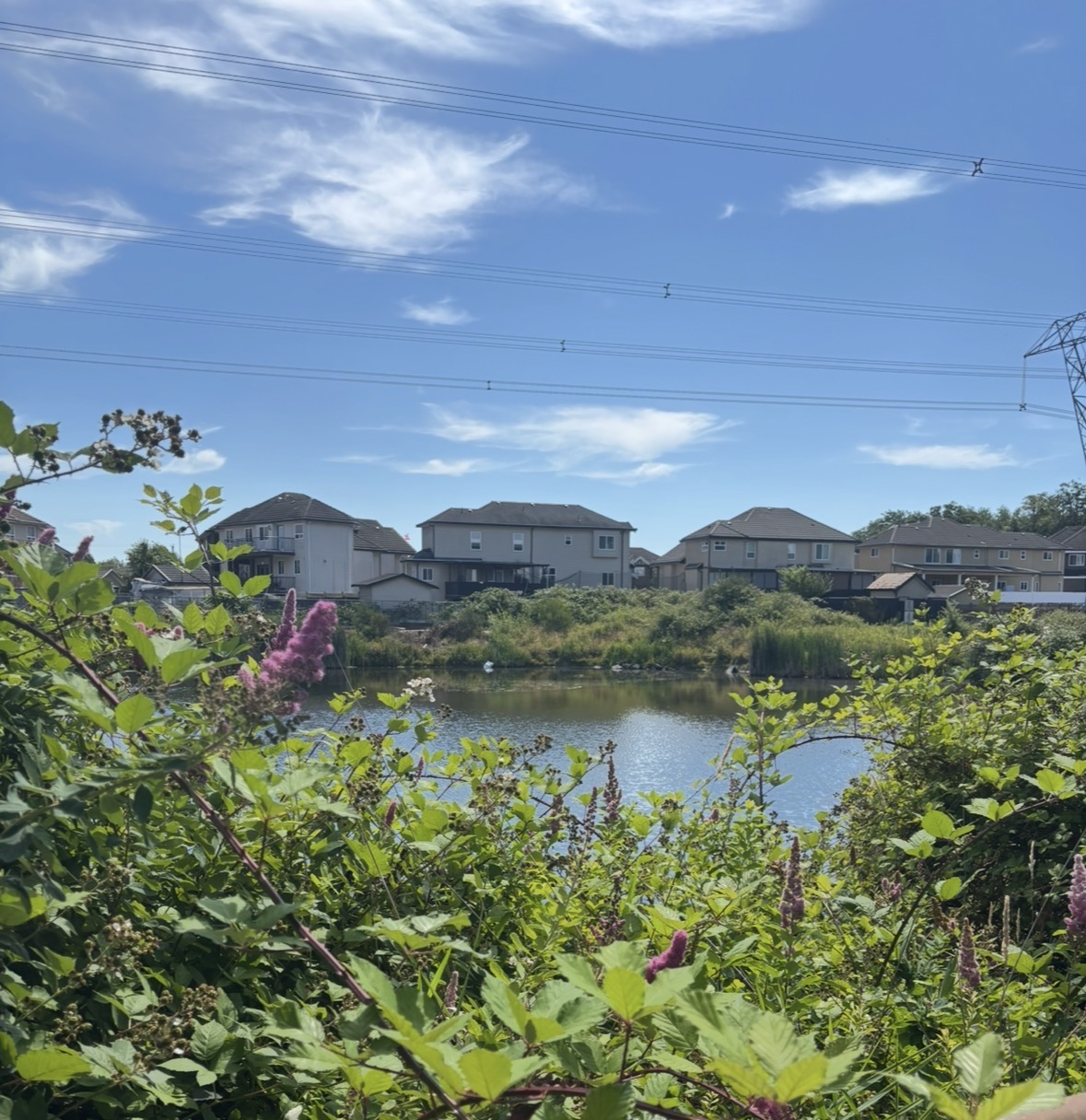
Having Patience Pays Off
At the time I write this blog post, we have made it more than halfway through the summer semester and our course of green criminology, in which plenty of progress has been made especially in comparison to the previous blog post. Me and my group members have been staying consistent and accountable in taking care of our plants, as we created and maintained a watering schedule where we each have days throughout the week where we must attend to the plants. Below are some comparison pictures to show the differences between the earlier weeks of the gardening journey to more recent updates:
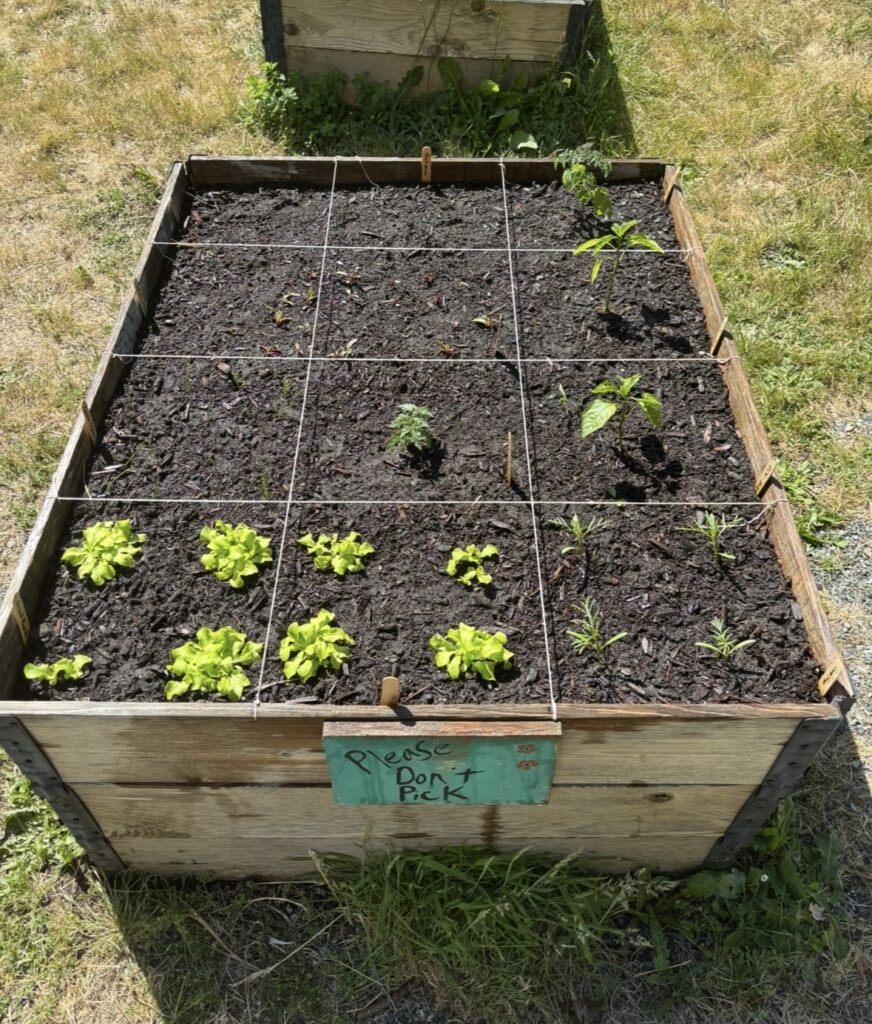
Picture of Garden (June 13th, 2026 – Week 5)
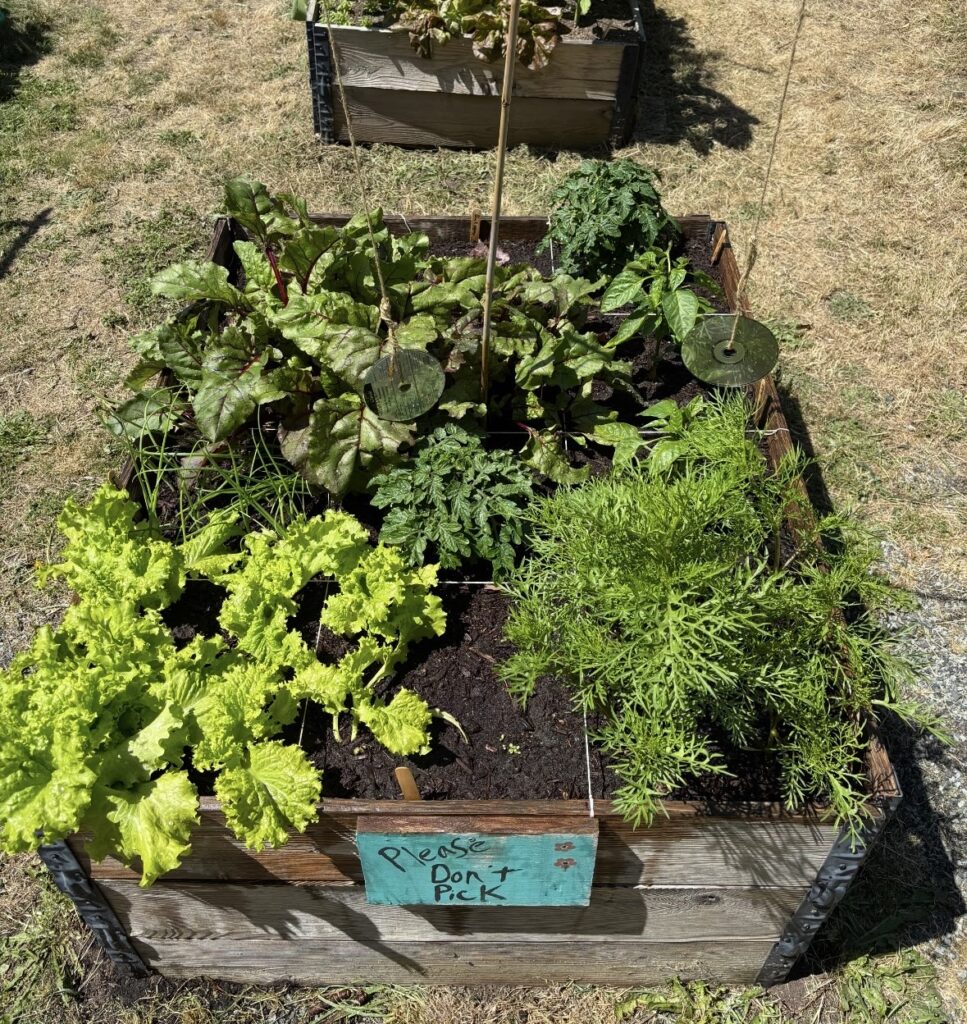
Picture of Garden (July 7th, 2026 – Week 9)
As you can see, every plant has grown exceptionally big and very filling of the spaces set within their spot in the garden box. The lettuce was actually much bigger than shown in this picture, but since it was fully grown, me and my group decided it was best to harvest it the prior week so we can take it home to enjoy.
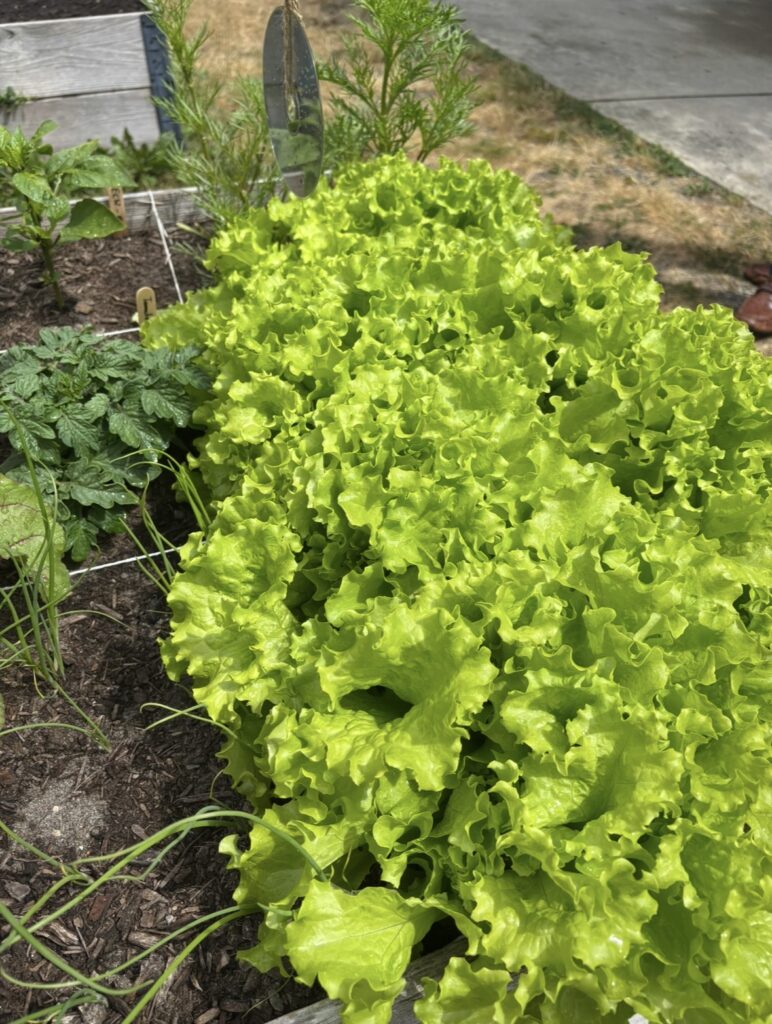
Grand Rapids Lettuce Ready to Harvest (June 30th, 2026 – Week 8)
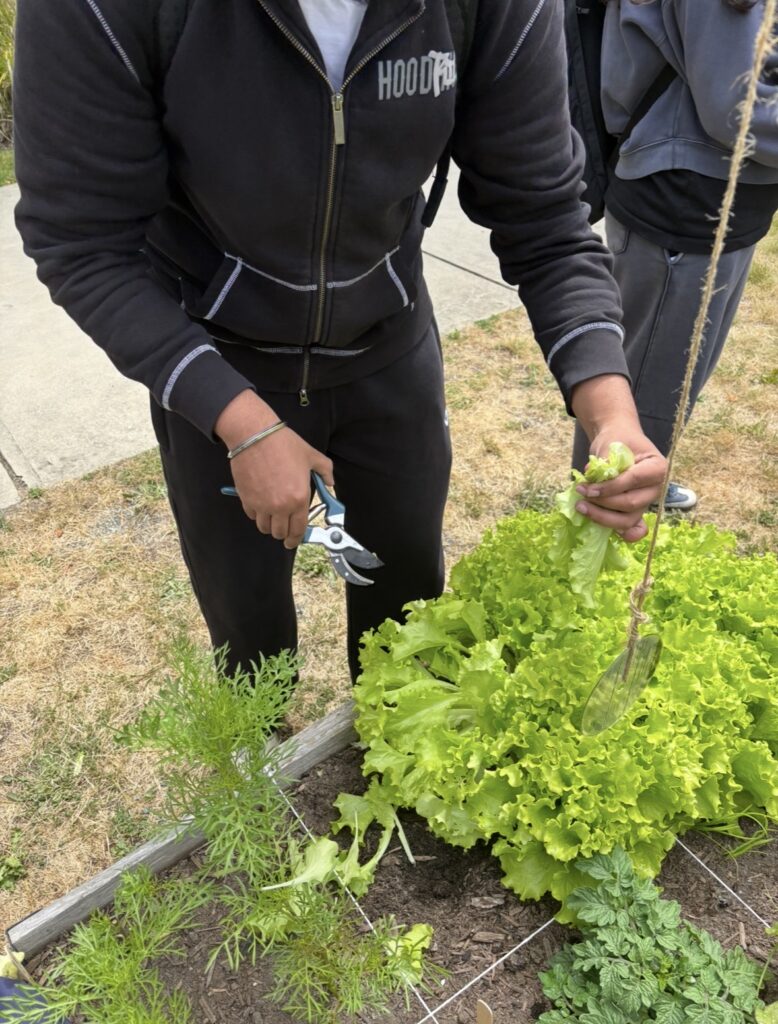
Group Member Harvesting the Lettuce (June 30th, 2026 – Week 8)
So far, the growth and experiences of the garden have shown/allowed me to be appreciative of the nature in which all the results have come about. Particularly it has convinced me that patience does “pay off” as I was originally very hesitant with regards to whether there would be any adequate or significant results to show for by the end of the term. However, now I feel much more comfortable with the idea of making progress knowing that it’s ok for things to take time as long as you continue to put in the effort that contributes positively.

Picture of Lettuce, Washed, Prepped, and Used in a Tortilla Bowl Dish
My Understanding of the Indigenous Perspective and Environmental Harm
As I continue to expand my knowledge of gardening, I similarly expand my knowledge and understanding of green criminology as we further discuss harms done to humans and non-human actors through the consideration of the various aspects of the environment. For example, the Indigenous perspective on the climate crisis widely emphasizes how the negative consequences suffered by the average person and environment is due to the unethical practices fueled by capitalism, resulting from the collaboration between big corporations and the government (Katlia, 2026).
Resource extraction is an example of an issue stemming from capitalism, which was a point of discussion within our class, because on one hand it can provide economic support, but on the other hand that economic support can be selective in who it benefits. Leaving host communities at a disadvantage because they may not receive direct benefits from the developments or projects and must deal with “economic hardship, loss of social services, and environmental damage [alone]” (Lazarenko, 2025). The Indigenous perspective also identifies colonialism as a contributing factor to the climate crisis because of this very issue of resource extraction and exploitation of the indigenous population (Climate Atlas of Canada, 2019; Goyes, 2023, p. 10). As western ideologies such as capitalism contradict the concepts of Indigenous teaching and restoration, extracting resources from ancestral Indigenous land has led to both dispossession, and the treatment of resources as things that can be “owned and controlled” further influencing climate change and the greed for more (Climate Atlas of Canada, 2019, para. 9-10; Katlia, 2026).
What Can Be Done
Katlia (2026) mentions in her book how “off grid living” fights back against big corporations and oppressive government powers by encouraging independence (p. 216). This way of life would cut down the amount of revenue corporations generate because people would not be paying for utilities such as heat, electricity, and gas. However, this method for the average modern society would be very difficult to make a direct shift to as many people require, rely, and seek such utilities in their day-to-day lives. Regardless, the idea of being mindful and aware of how you utilize these resources are just as important and it is something that I myself have been paying more attention to in my daily life as on paper it may just seem as simple as bill to pay, but in reality, the issue is much deeper connected to our social structures and the planet’s wellbeing.
Southern green criminology is also another way of raising advocacy for environmental issues faced by any discriminated and marginalized population. Goyes (2023) states how studies in this field have allowed for a more context-specific approach to dealing with cases of environmental degradation and destruction within green criminology itself (p. 11).
The Indigenous perspective towards the land is reflective of characteristics such as respect, care, and accountability, which is why I believe it is one of the most important aspects or point of interest in green criminology. This is something that I will carry beyond my garden and this course as it is a way of life that should not be undermined because it applies to everyone.
References
Climate Atlas of Canada. (2019). Indigenous Knowledges and Climate Change | Climate Atlas of Canada. Climateatlas.ca. https://climateatlas.ca/indigenous-knowledges-and-climate-change
Lazarenko, A. (2025). Resource extraction causes harm. These experts have advice on how to minimize it. CBC. https://www.cbc.ca/news/canada/newfoundland-labrador/resource-extraction-climate-change-sustainability-community-1.7458047

Provide Feedback