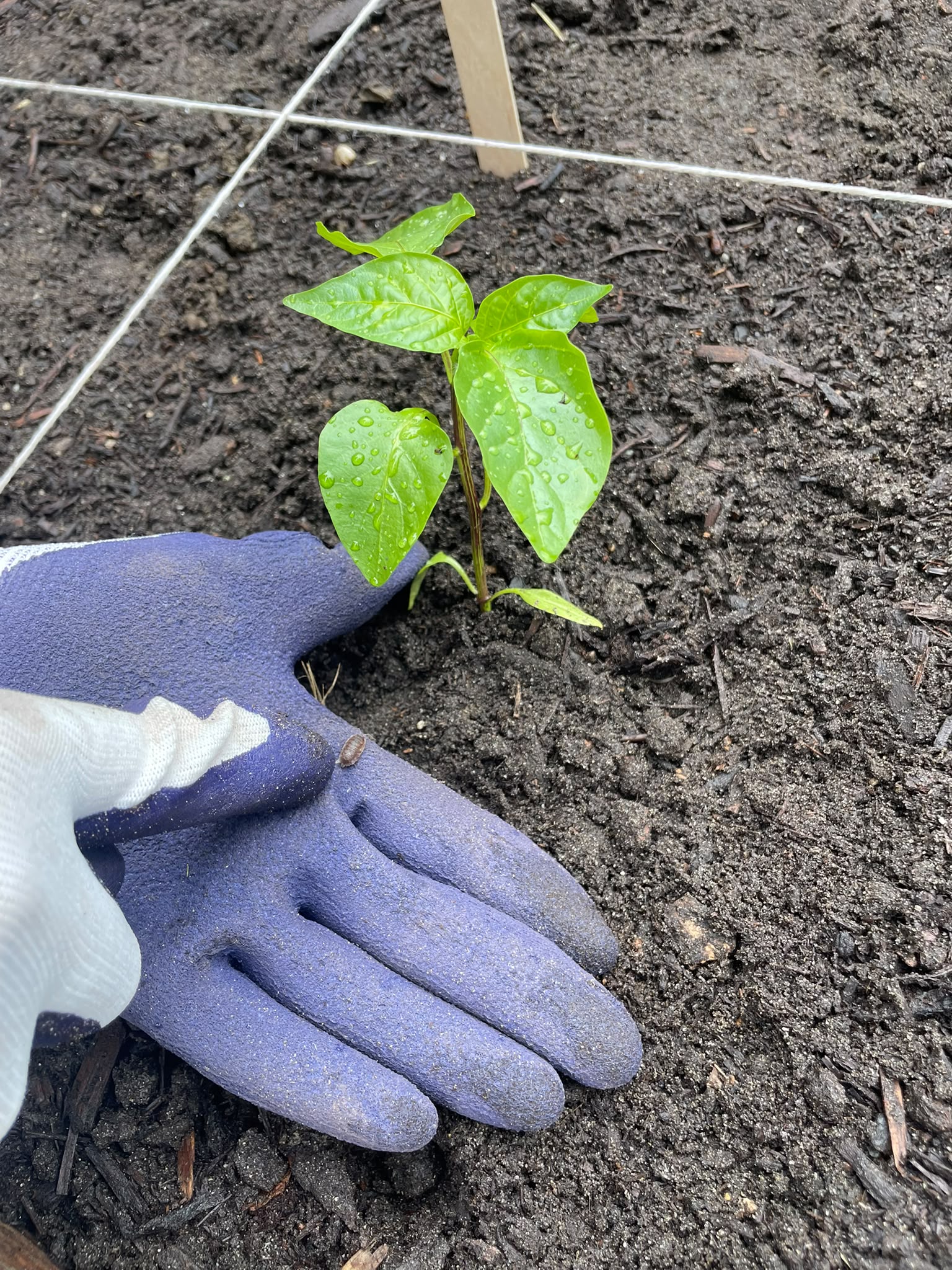
Green Criminology?
I knew that in green criminology, we study about the injustices that human being has been doing to plants, forests and animals but when I enrolled in Green Criminology, I expected to learn about environmental issues through lectures, discussions, and academic readings. The concept of us gardening to learn about green criminology was very different from how I have had my other classes at KPU. Our group has been growing onions, lettuce, tomatoes, and flowers, and since I had no prior gardening experience, this project was completely new to me. Although gardening seemed very different from a traditional university assignment, it became one of the most meaningful learning experiences of the course.
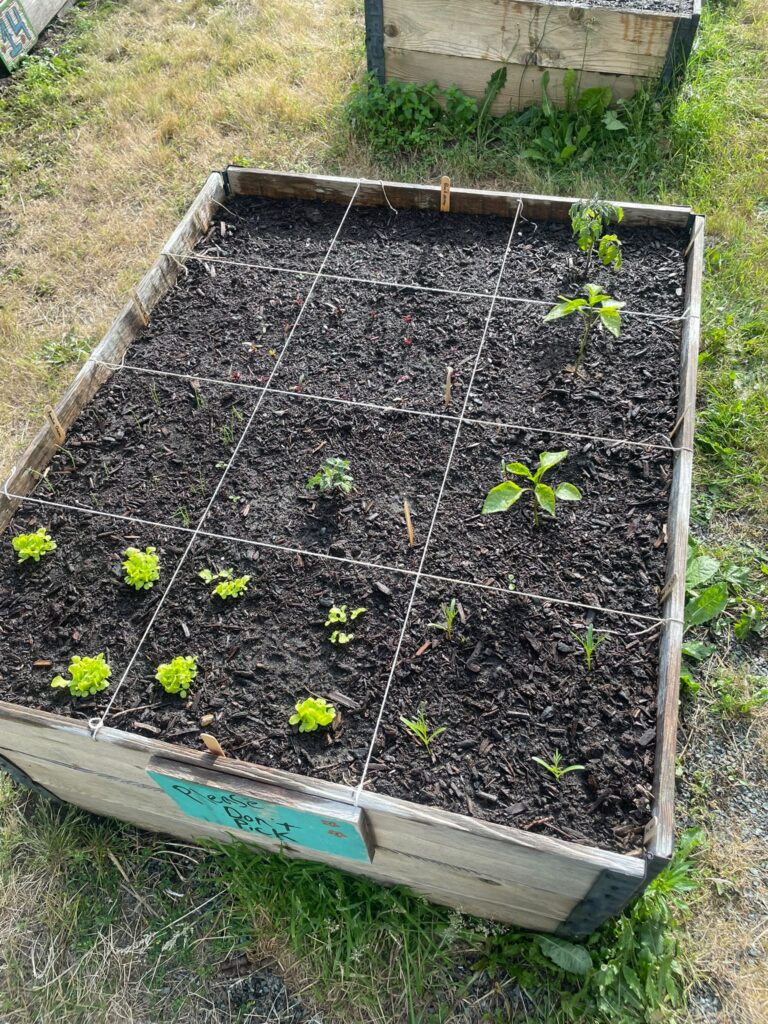
One of the main lessons I learned from the garden is how connected we are to the environment. Before this project, I rarely thought about the amount of work required to grow food. Planting seeds, watering plants and watching them develop made me appreciate the natural systems that support food production. This experience connected directly to Lynch and Long’s (2022) discussion of green criminology, which focuses on the ways humans affect ecosystems and recognizes that environmental harms impact not only people but also animals and the natural world. They explain that green criminology pays attention to “the ways in which humans harm the ecosystem” (Lynch & Long, 2022, p. 256). Seeing our plants depend on healthy soil, water and sunlight helped me better understand this idea.
The garden also changed the way I think about food. Tourangeau and Fitzgerald argue that food-related harms can affect consumers, producers, animals and the environment, and that green criminology helps us look beyond narrow legal definitions of crime to examine broader harms within food systems. They note that green criminology can challenge assumptions about “what constitutes food crime and who can be victimised by it” (Tourangeau & Fitzgerald, p. 205). Growing vegetables ourselves made me realize that food is not simply a product on a grocery store shelf. It is connected to environmental sustainability, labour and ethical decisions about production.
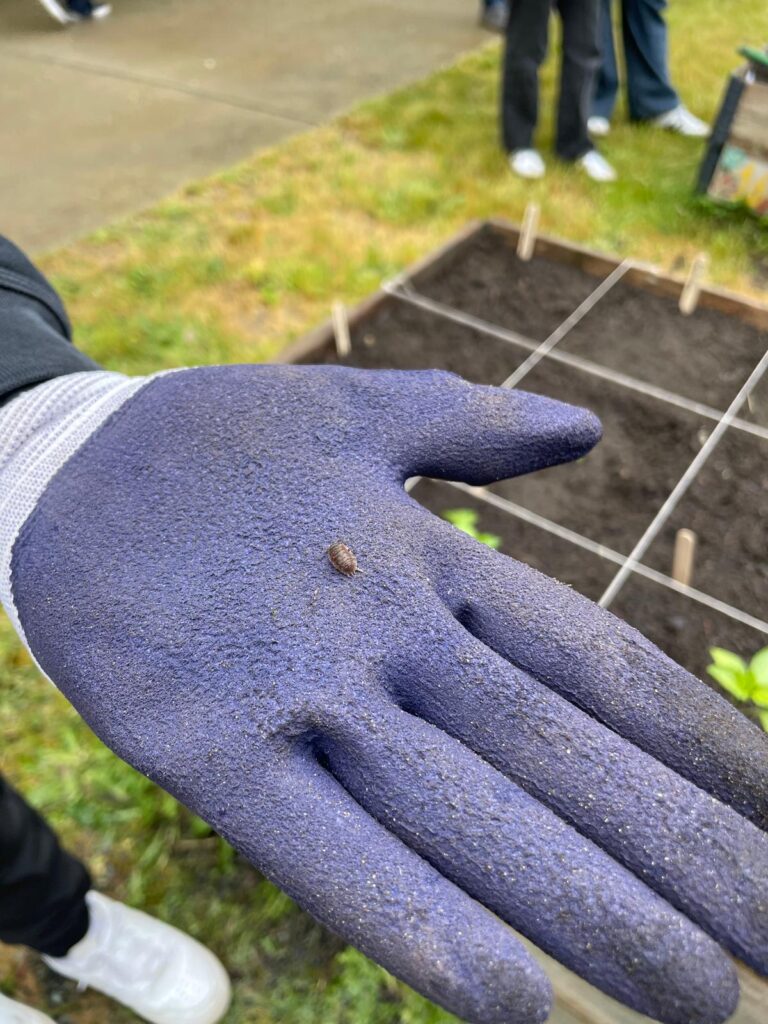
One moment that stood out to me was seeing my friend, Armaan, carefully place a bug back into the soil. While it may seem like a small action, it reflected an important principle of green criminology: ecosystems consist of many interconnected forms of life. Instead of viewing the insect as a nuisance, we recognized that it was part of the garden ecosystem. This experience reminded me that environmental responsibility often begins with small everyday actions.
The gardening project also made me think about the larger food system discussed by Walters (2024). He argues that modern food production is shaped by global markets, technology, and consumer demand, while at the same time millions of people experience food insecurity. Walters describes green criminology as a perspective that examines harms affecting “the environment, different species and the planet” (Walters, 2024, p. 87). Gardening provided a practical alternative perspective by encouraging us to think about local food production, sustainability, and our relationship with nature.
References: Lynch, M. J., & Long, M. A. (2022). Green criminology: Capitalism, green crime and justice, and environmental destruction. Annual Review of Criminology, 5, 255–276. Tourangeau, W., & Fitzgerald, A. J. (2024). Food crime and green criminology. In The Routledge International Handbook of Green Criminology. Walters, R. (2024). Food politics and controversial technologies. In The Routledge International Handbook of Green Criminology.

Your blog post was a very interesting read, and I really enjoyed it. We see that through gardening, we can change the way we think about our relationship with the environment. The example of Armaan putting the bug back into the soil caught my eye; it’s a reflection of how small actions can show respect for ecosystems and connection with nature. Through this whole experience, it’s really changed the way I think about food production and how so many of us overlook the process and work there is behind the food we eat.
Your reflection also connects with Gray’s (2018) discussion of a food crime perspective. The argument is that when food is viewed just as a product on a shelf, the complex work behind it is often hidden. Gray encourages the readers to think beyond what is legally considered a crime and think about the harms both socially and environmentally created in these food systems. Growing our own vegetables is a way to reconnect us with these hidden processes, reminding us that food is dependent on a healthy ecosystem.
Reference:
Gray, A. (2018). A food crime perspective. In A Handbook of Food Crime (pp. 11–20). Policy Press.