Indigenous Foundations
As educators, the first step we need to take is to unlearn the colonial framework of education.
Carolyn Roberts, St’at’imc and Sto:lo author and speaker
Indigenous Foundations
Place-based learning—and environmental education in general—necessitates the inclusion of Indigenous ways of understanding. Intentional engagement with the land needs to involve an understanding of the history, culture, and impacts of colonization. Reconciliation requires us to ask:
What happened here? Who lived here, or still lives here? What is my role? What should happen here in the future, and what actions can we take to move towards this?
Indigenous pedagogies have deep connections to specific places and practices. Similarly, Indigenous ways of understanding have incredible diversity. Here we will generalize some of the common practices of Indigenous pedagogies as they relate to place-based learning, and make connections to the xéʔelɬ KPU Pathway to Systemic Transformation.
Land-based Learning
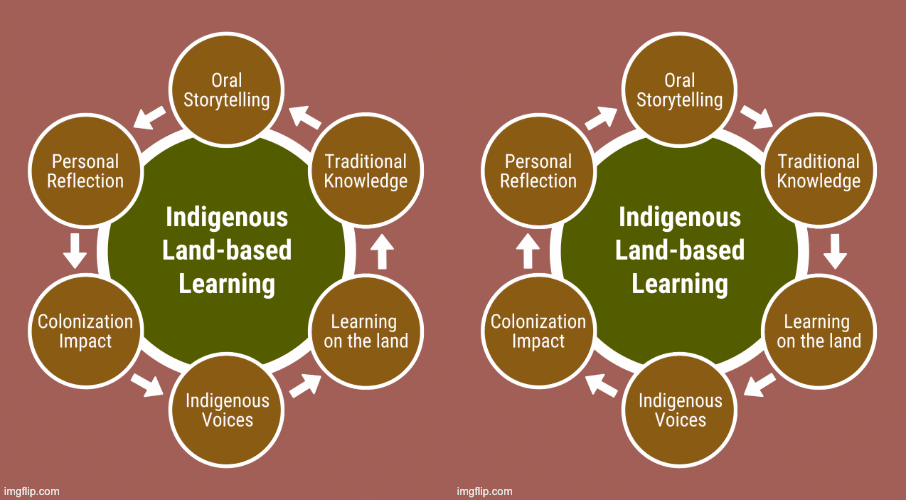
Land-based learning centers Indigenous ways of understanding through holistic and experiential approaches. Led by Indigenous teachers, occurring on-site at Indigenous traditional territories when possible, activities may include storytelling, traditional harvesting, medicine gathering, hunting and fishing, and other bushcraft and traditional activities. Physical, mental, and spiritual aspects are all part of land-based learning, as well as time spent on the land. The research and learning centre Dechinta offers Indigenous land-based education in Yellowknife, Northwest Territories.
As Carolyn Roberts writes in her book Re-storying Education: Decolonizing Your Practice Using a Critical Lens, the Canadian government systematically designed an educational system to eradicate Indigenous culture and identity. In fact, the same person who developed the Canadian education system also developed the Indian Residential School System, responsible for engaging in cultural genocide for centuries. For teachers brought up in this system, to engage in land- or place-based education requires letting go of existing biases and practices.
Honouring Indigenous-informed pedagogical approaches and creating anti-racist education systems is not accomplished by creating and implementing a lesson plan or reading one book. It happens when we commit to learning and doing differently.
jo chrona
Confronting Colonialism
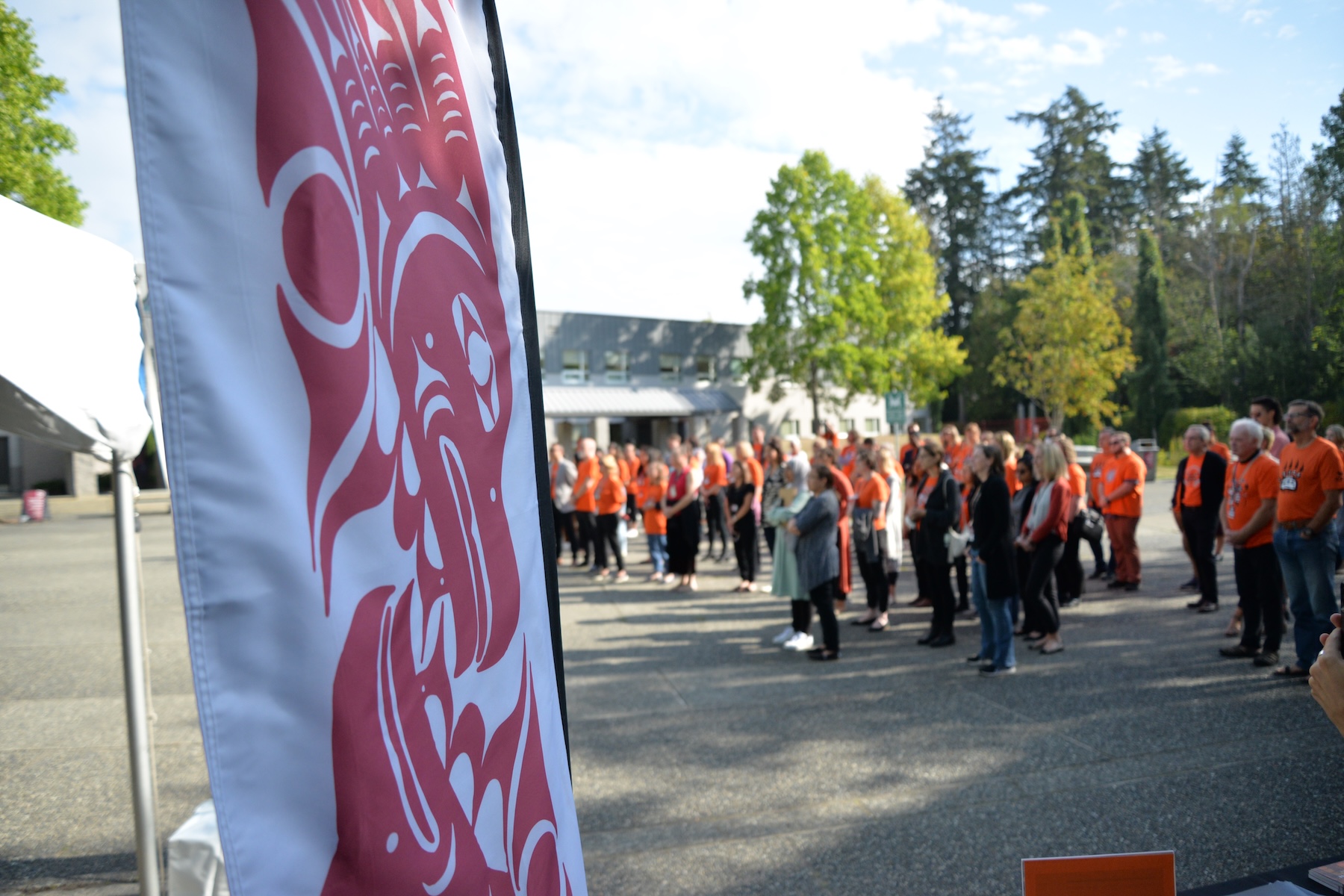
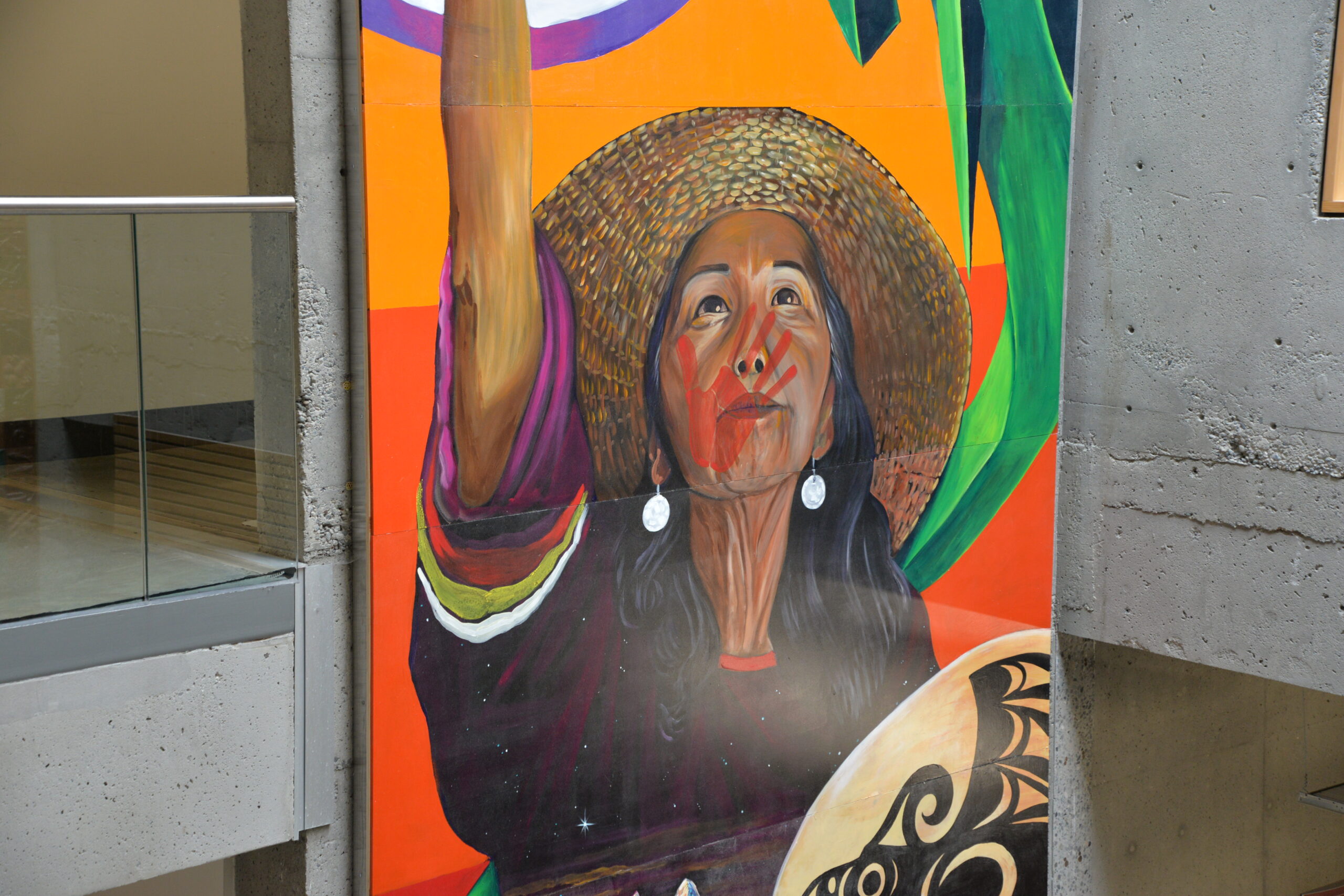
Engaging in place- or land-based learning requires us to recognize and speak the truth of Canada’s past, and approach pedagogical practice with humility and responsibility. Part of this is being culturally responsive by respectfully including Indigenous perspectives and works created by Indigenous artists and authors as part of coursework. Even better is inviting Indigenous guest speakers or local knowledge keepers to speak to your class. As Carolyn Roberts writes, in addition to the atrocities of colonialism, we should also teach Indigenous brilliance.
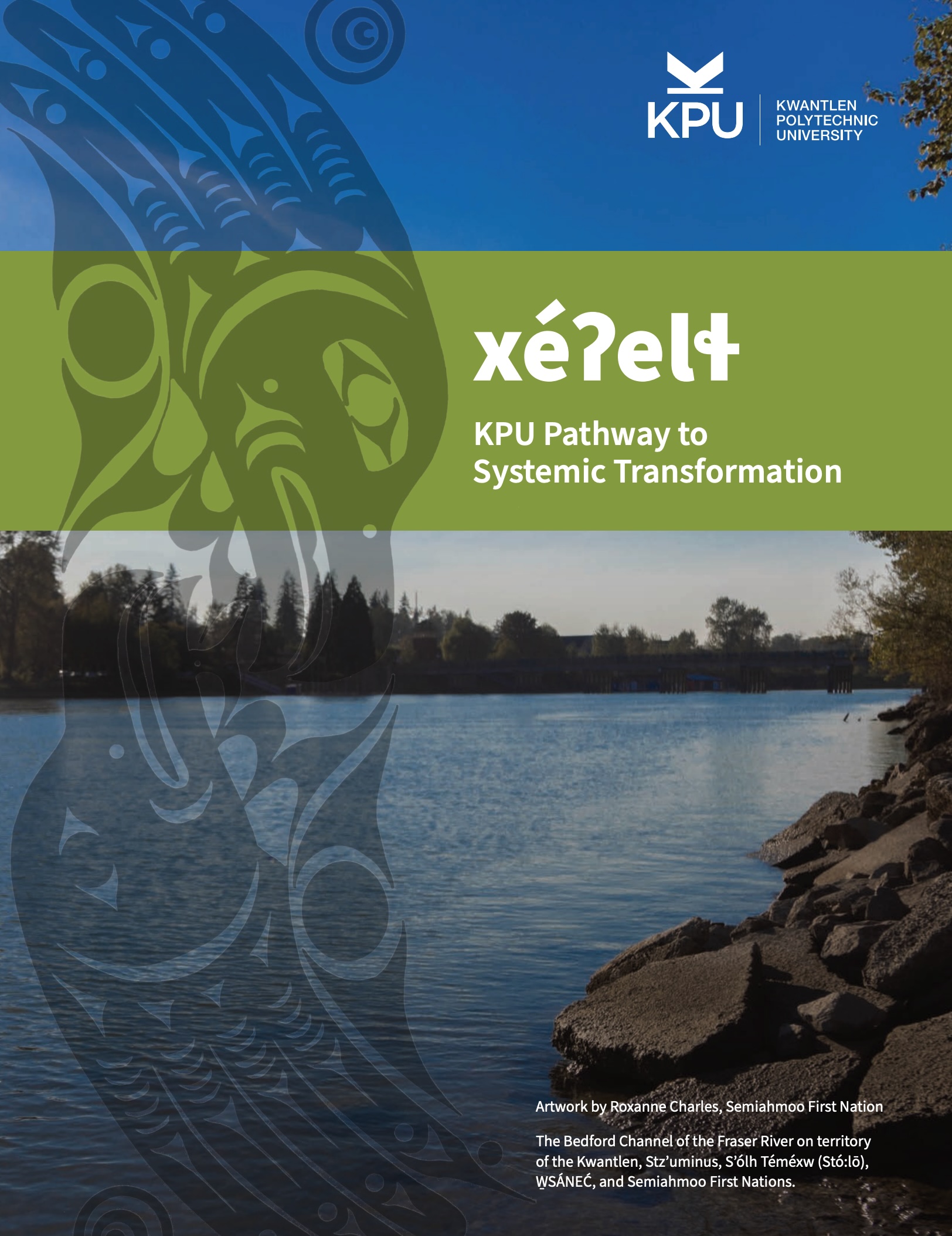
xéʔelɬ KPU Pathway to Systemic Transformation
The xéʔelɬ KPU Pathway to Systemic Transformation provides a framework to address the Truth and Reconciliation Commission of Canada’s Calls to Action and the rights of Indigenous Peoples. Here we make clear connections between the six pathways and place-based learning.
Reflecting Upon Our Own Biases
Place-based learning requires us to consider our biases around teaching, and consider reflective, process-oriented learning that de-centers the instructor.
Indigenous Voices Matter
Land-based learning is work done by, or in collaboration with, Indigenous educators.
Open to the Community
A synonym for place-based learning is community-based learning. Engaging with our local community and lands are important in Decolonizing Educational Practices.
Holistic Learning and Wellbeing
Learning in collaboration with community, which can enhance student wellbeing through physical, mental, emotional, and spiritual practices, and the respectful inclusion of traditional knowledge are key aspects of place-based learning.
Weaving Indigenous Worldviews
Fostering a sense of belonging, empowerment, and empathy are important to place-based learning, and relevant to both Indigenous and non-Indigenous students. Learning in community can also help break down systemic barriers and hierarchies.
Thought Meets Action
Place-based learning encourages direct connection with community and civic engagement.
Place-based Colonialism
We need to avoid place-based colonialism, where perhaps good intentions of learning outdoors or in community repeats colonial narratives. This can happen by treating the land as an objective non-entity, promoting industrial-extractive economics, or using language that refers to the land as non-living or as settler property.
As Dr. Seawright writes in “Settler Traditions of Place”, Western thinking of place is anthropocentric, capitalistic, and racialized. White-settler understandings in regard to place are typically centered on ownership and domination. The Four R’s that Ray Barnhardt and Verna Kirkness speak to—Respect, Relevance, Reciprocity and Responsibility—should be embedded in place-based work. To not act is to maintain the status quo of colonial oppression of Indigenous peoples and ecological destruction.
First Peoples Principles of Learning
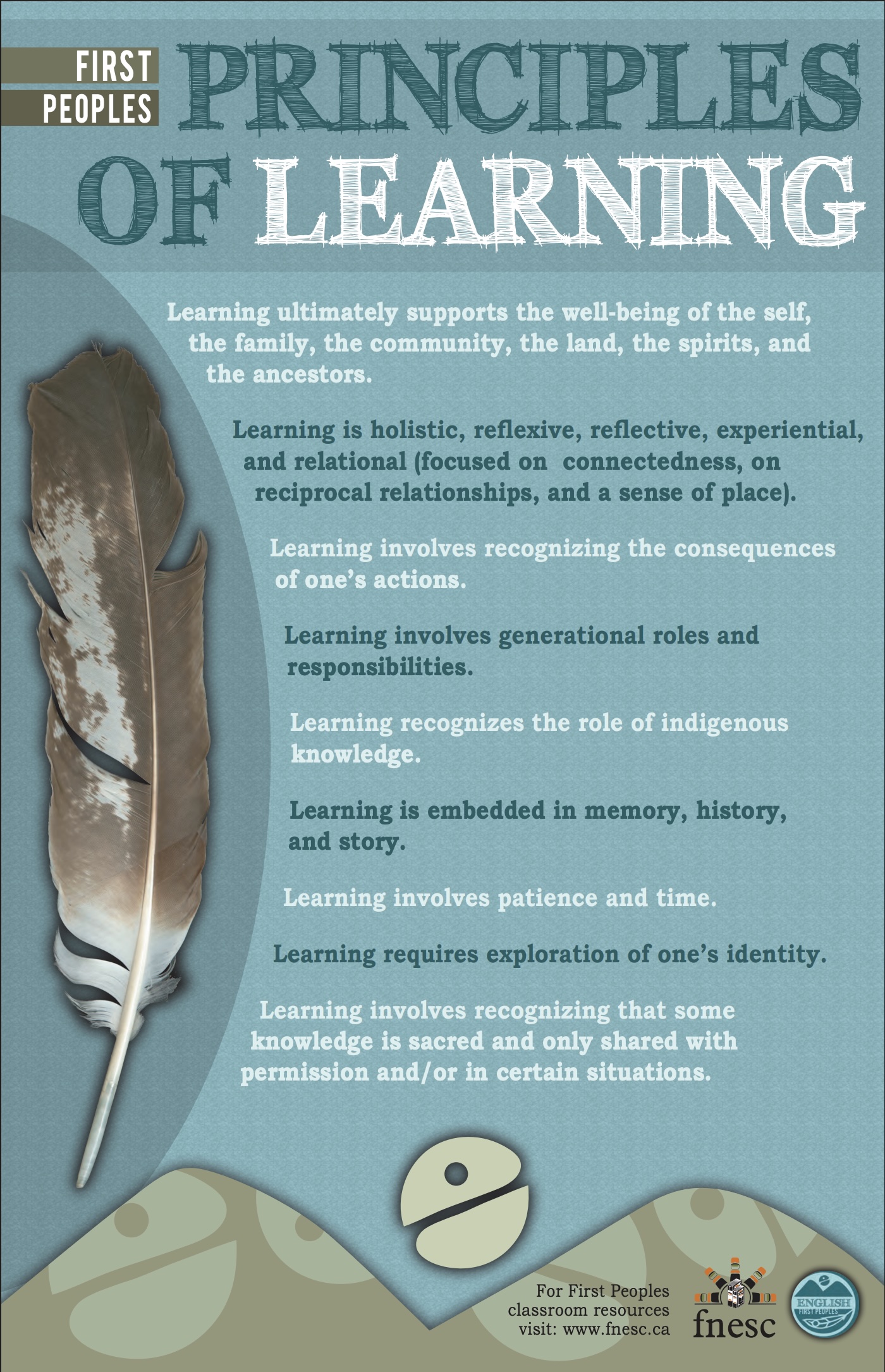
Another resource, created by the First Nations Education Steering Committee in 2007, is the First Peoples Principles of Learning poster. Correlations can be found here to place-based education, including learning being connected to the community, the land, and well-being. Holistic, relational, and reflective learning that requires patience and recognizing the consequences of our actions also resonate. PBE weaves together experiential learning that takes place within, and works alongside, the human or ecological community. Indigenous knowledge and storytelling can greatly enrich connection to, and reciprocity with, place.
It should be noted that the First Peoples Principles of Learning can serve as a good starting point for integrating Indigenous ways of understanding into our teaching practice. However, Indigenous peoples are very diverse—British Columbia alone has over 200 First Nations communities—and this poster does not fully reflect that diversity. To dive deeper into including Indigenous ways of understanding please visit the Decolonizing Educational Practices website.
Working With Indigenous Communities
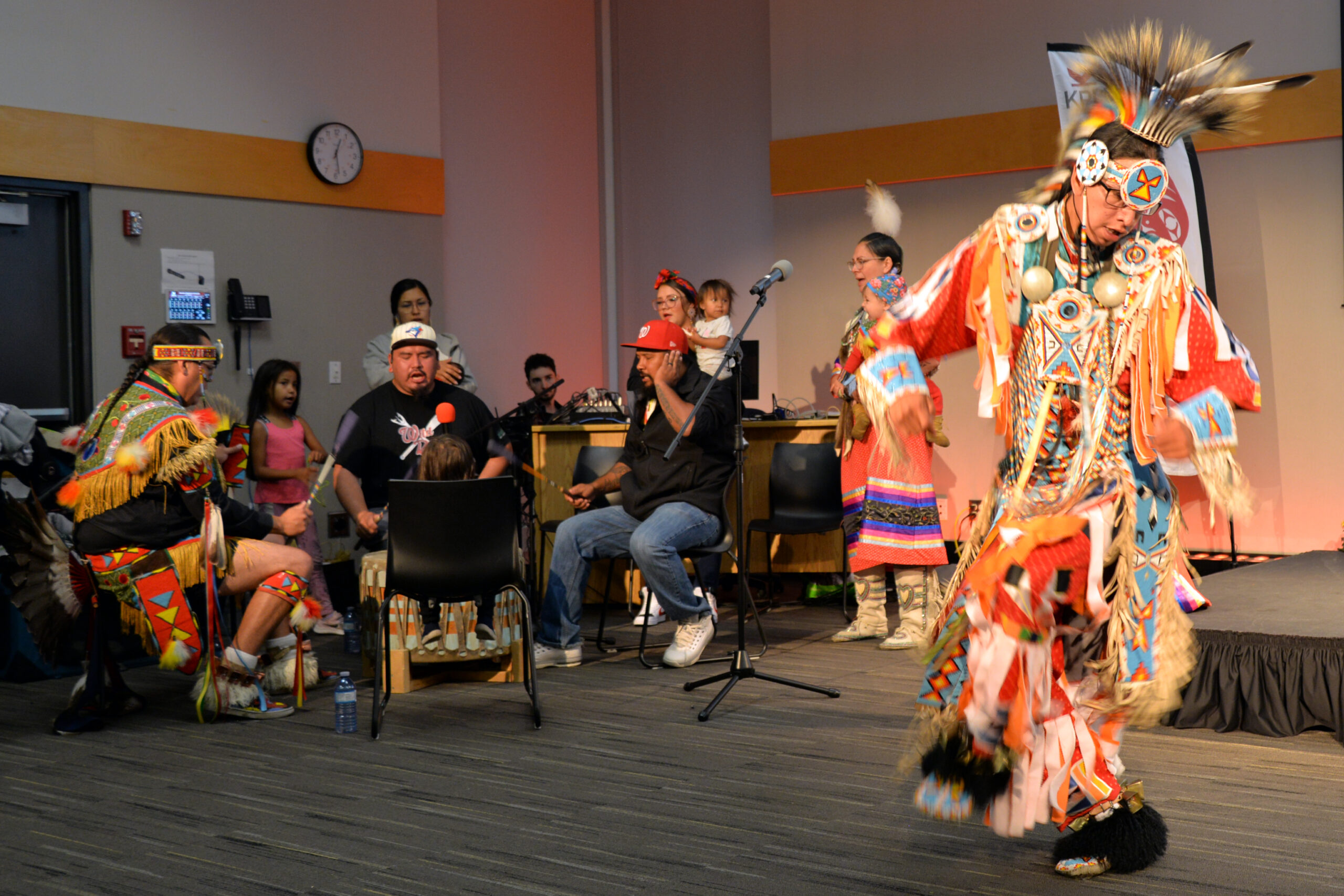
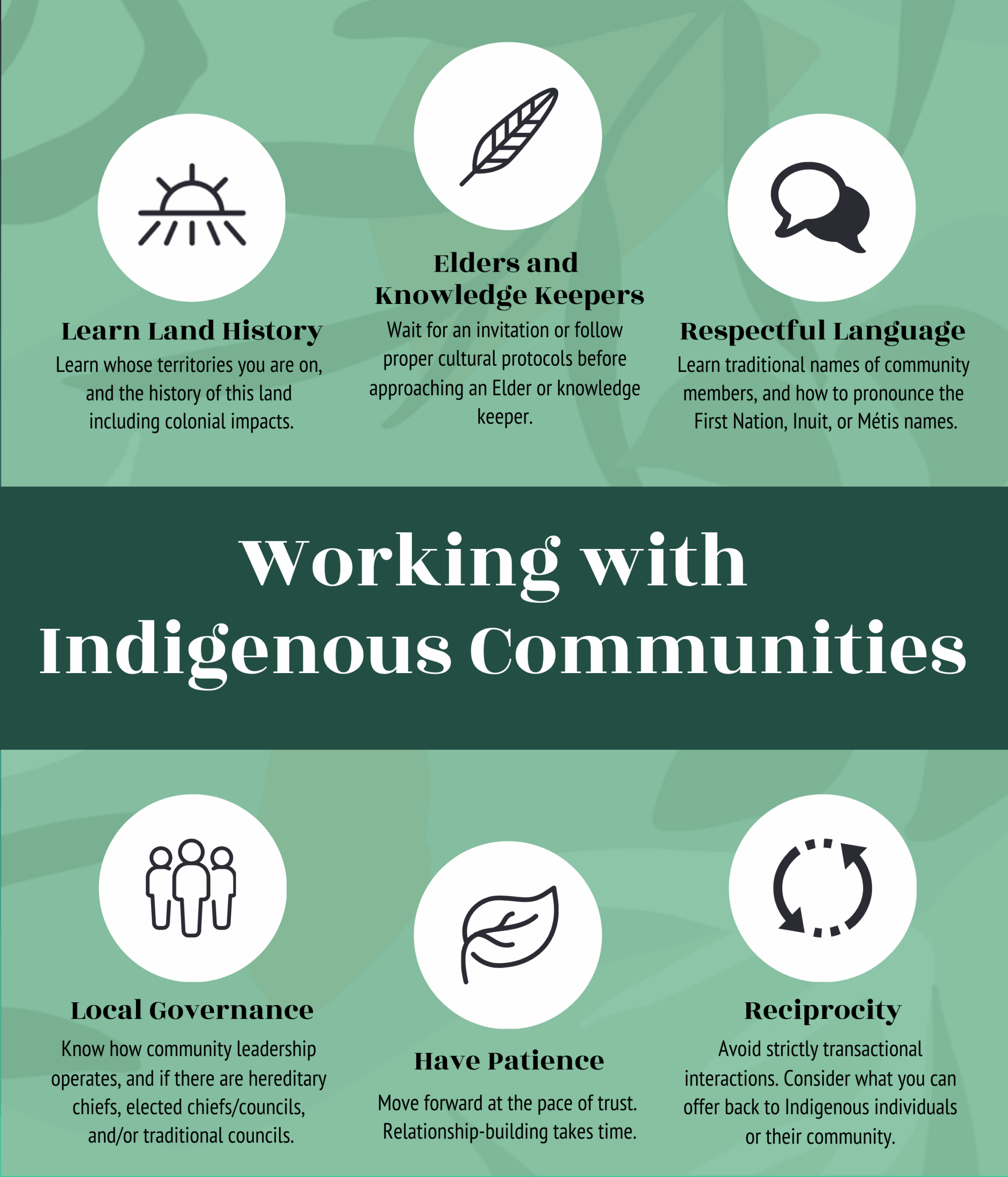
When working with local knowledge keepers or Elders, it is best to wait for an invitation. If you are contacting a local Nation for the first time, be mindful of their protocols, language, and local governances. Get clear on your intentions. How do you plan to collaborate? How will this build community? What can you gift in return? Do as much work as possible before contacting local First Nations. This can include writing an intentionality statement, learning how the nation’s leadership operates, practicing the pronunciations of traditional names, and knowing the history of the land and colonial impacts. On the Decolonizing Educational Practices website you can learn about the territories upon which the five KPU campuses are collectively located.
Oral Stories Series

Watch Elder Lekeyten share teachings in the Surrey Campus Cedar Grove on χpey̓əɬp Tree of Life, as part of the Oral Stories Series.
Reflection Questions
- How can we avoid repeating settler-colonial narratives?
- “In what ways can I notice and respond to human-centred and colonizing perspectives that we might encounter today?” ~Wild Pedagogies
- “A curriculum of place calls for a different sense of time. A curriculum of place calls for an ‘education of attention’.” ~Kate McCoy, Eve Tuck and Marcia McKenzie. What might this look like in your teaching practice?
