Examples
Place-based Education Examples
How do KPU faculty and instructional staff implement place-based learning? From KPU Farm, to Coast Salish weaving, to the design of intertidal zones, to human geography of the Lower Mainland, there are many examples spread across the disciplines. They range from single class activities to semester-long place-based inquiries. A summary is provided for each.
Further below are research examples provided by the Office of Research Services, KPU Farm, and KPU Wild Spaces.
Looking for lesson plans for place-based education? Here is a guide outlining five activities: Campus as a Living Lab, Walking Curriculum, Storytelling, Local Field Trip, and Campus Scavenger Hunt.
Click the thumbnails below to learn more about each example.
-
Amazon Interdisciplinary Field School
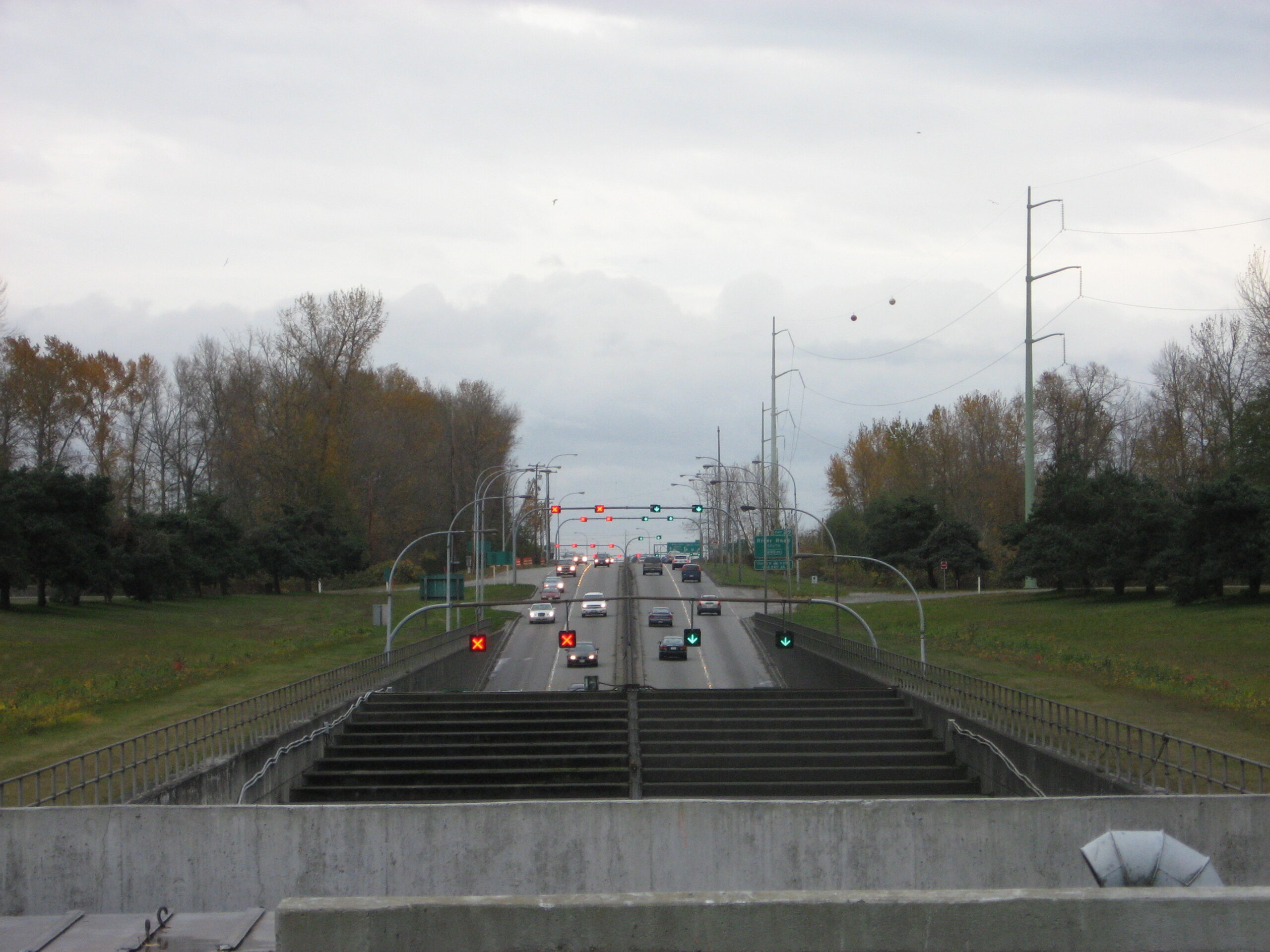
ARTS/DESN 3000: Students visit a special (preferably outdoors) place, reflect on their life journey, write down what has allowed them to be where they are now, and then imagine a future destination. Read more
-
Ecology and Colour in 1m2
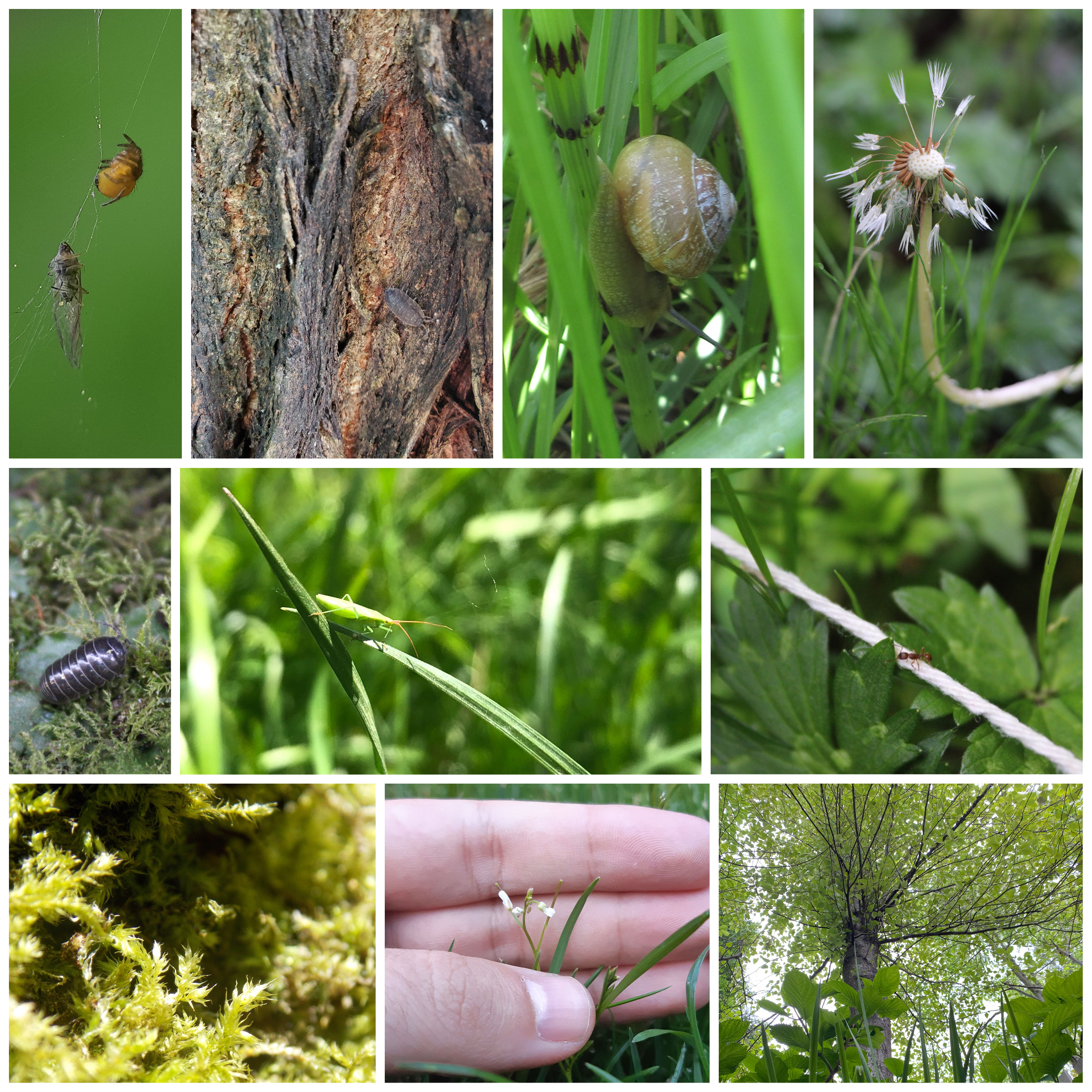
BIOL 2322/FINA 1166: A place-based activity that has learners return to the same site repeatedly, and research/explore a local plant and animal species through reflective practice and arts-based approaches. Read more
-
Entrepreneurial Action / Leadership and HR Consulting
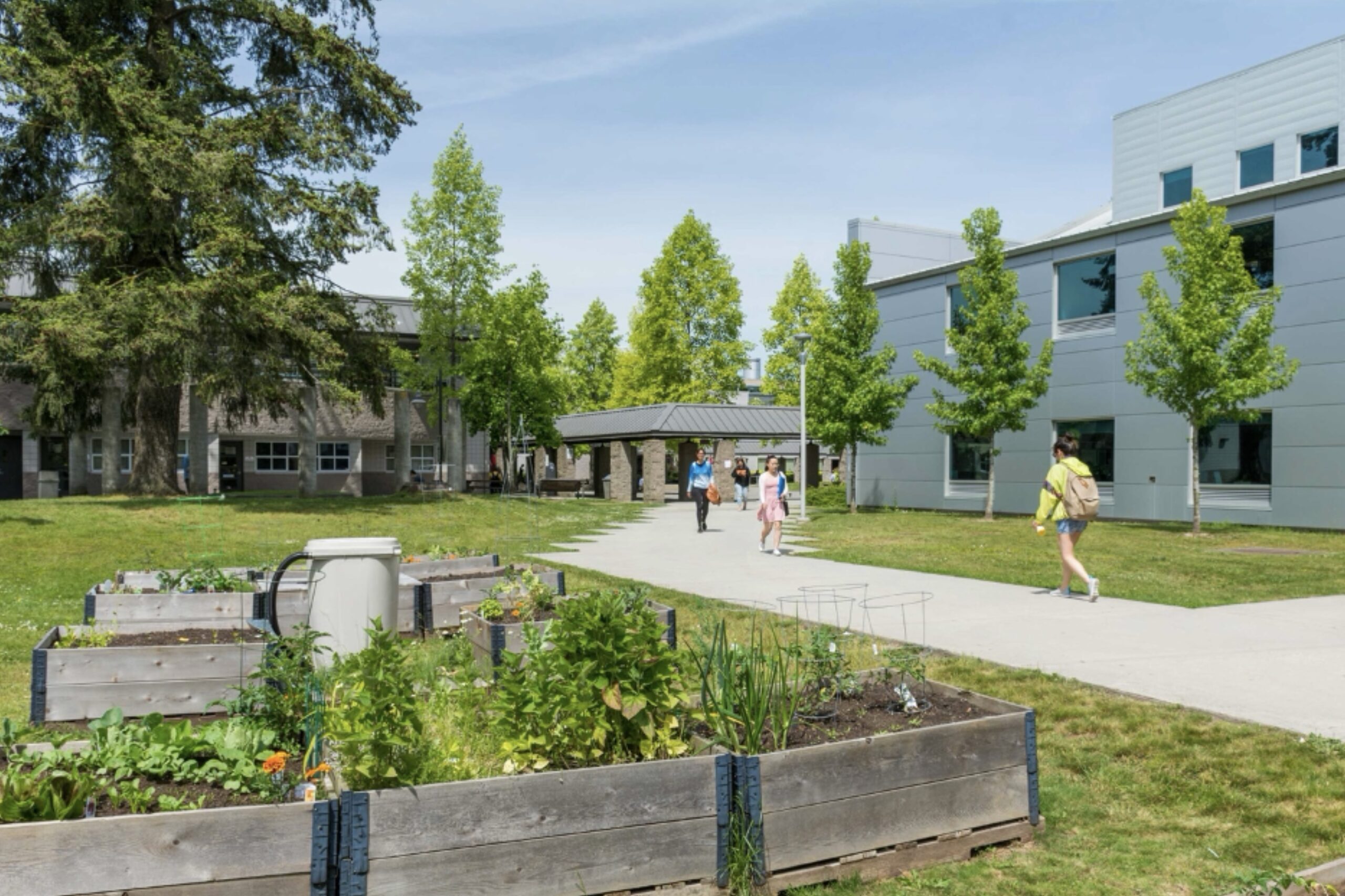
ENTR 4110/HRMT 4155: Using Campus as a Living Lab, the KPU Surrey campus becomes a site for teaching and learning about real-world sustainability solutions. Read more
-
Green Criminology
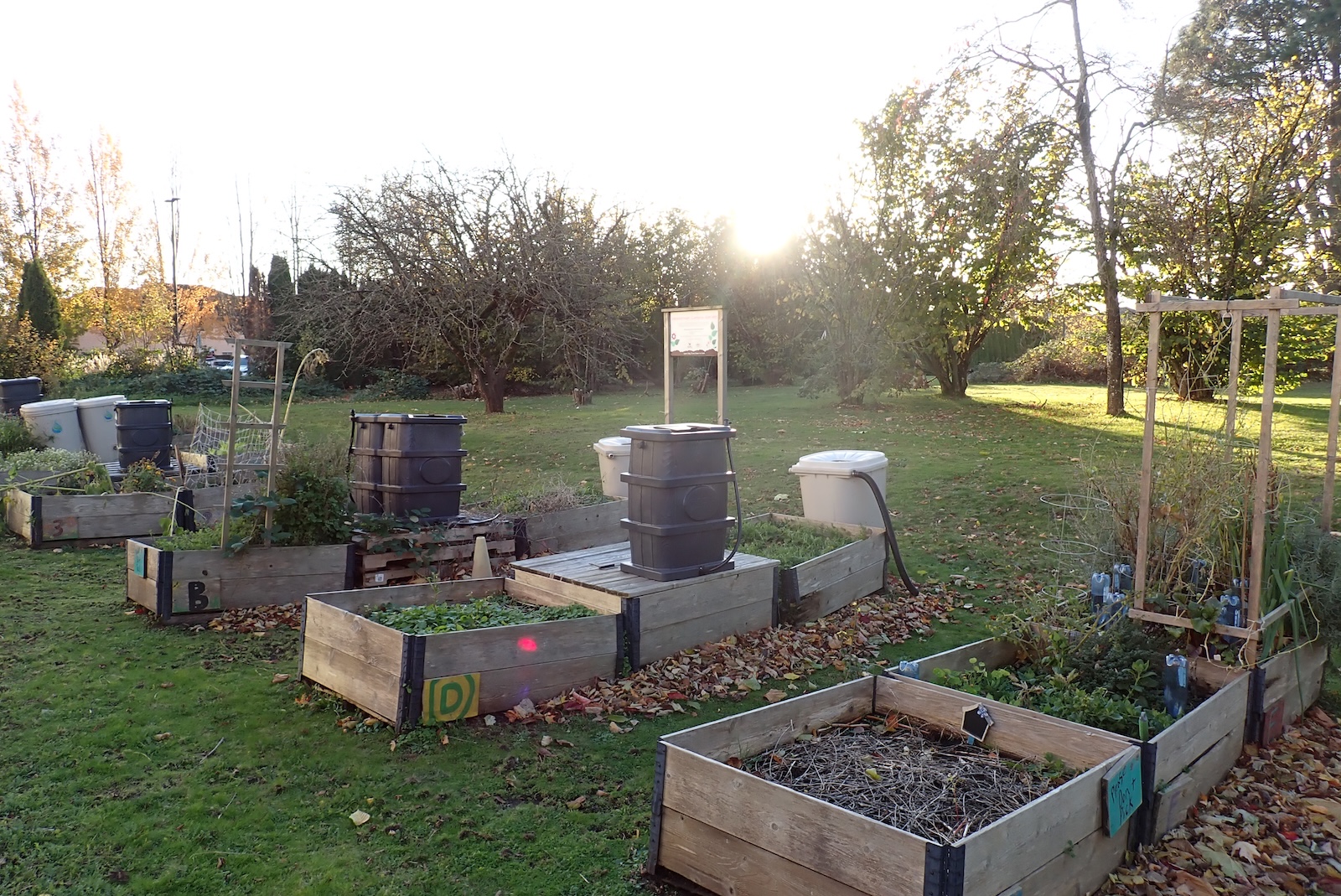
CRIM 3911: The project has students work with garden boxes on the Surrey campus, connect their experience with socio-ecological concerns, and also write a blog post. Read more
-
Human Geography
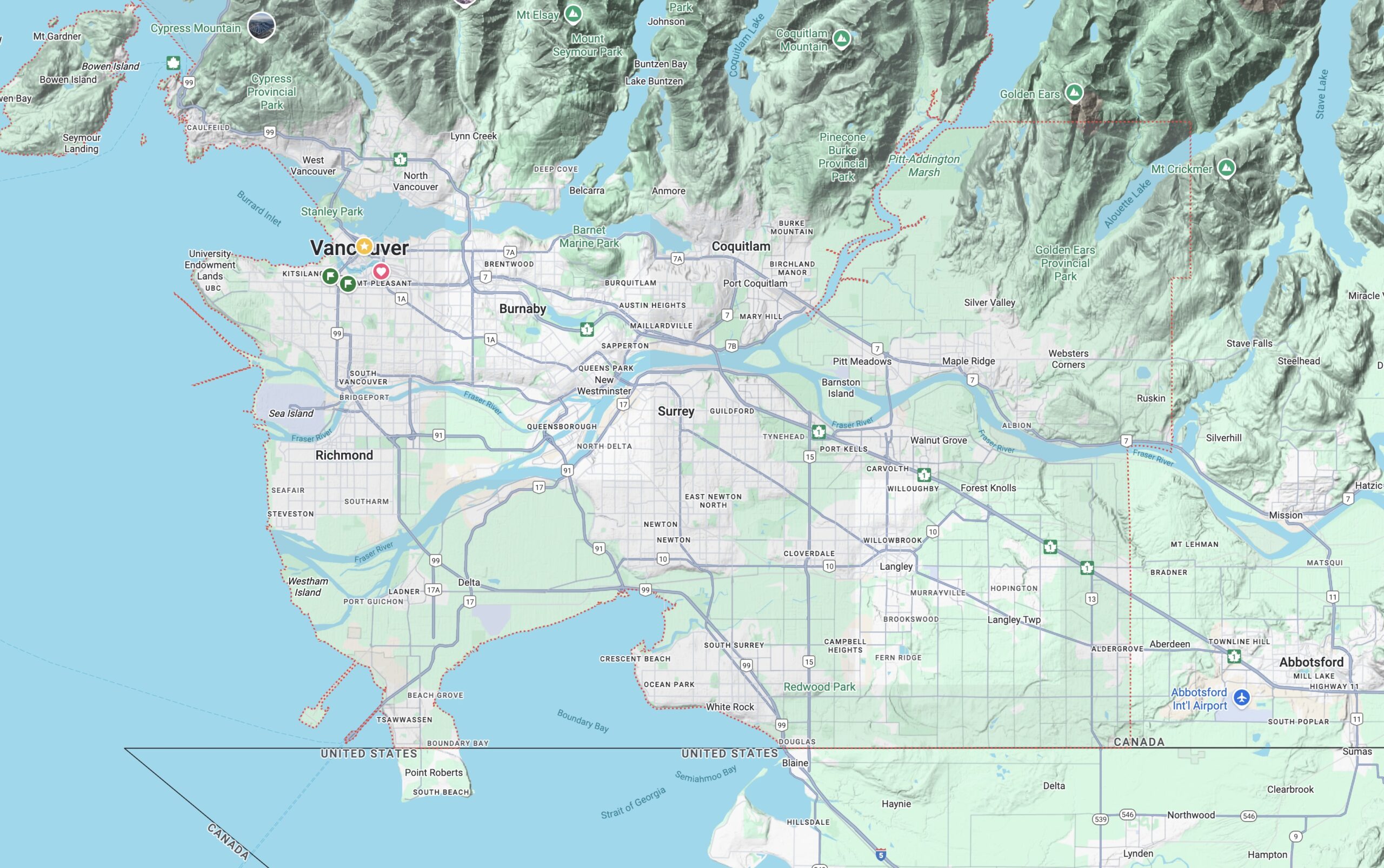
GEOG 1101: Students do a comparative analysis of two local communities in regard to which is the better choice to settle in and raise a family. Read more
-
Indigenous Perspectives in Biology
BIOL/INDG 1492: Students build a relationship with a specific plant, in a specific place, and engage in storytelling, reflection, and creative response. Read more
-

Introduction to Astronomy
ASTR 1100: Two outdoor astronomy experiments: measuring shadow length using a “gnomon” to determine their latitude on Earth, and a parallax experiment to measure distances using local landmarks. Read more
-
Introduction to the Climate Crisis
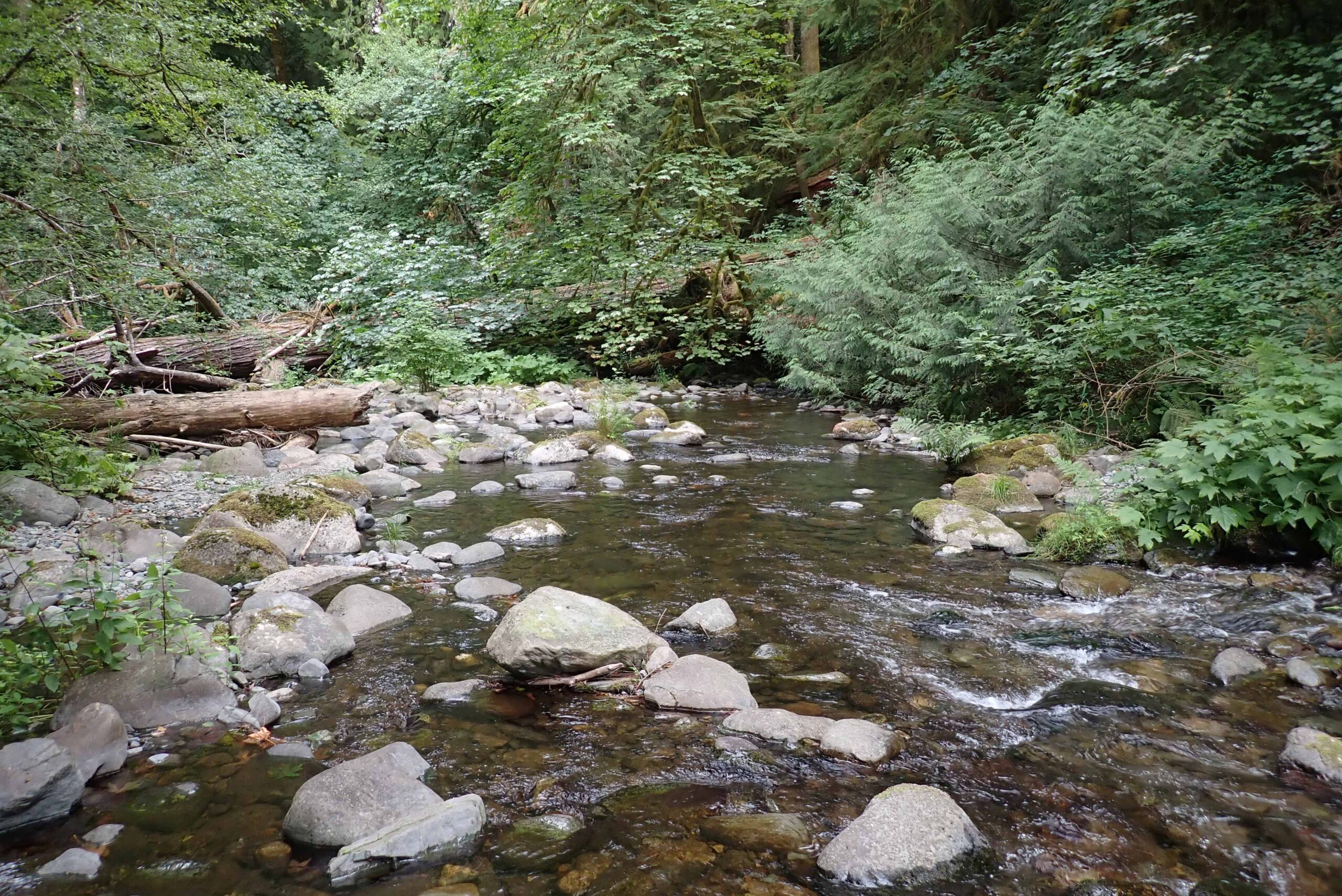
ARTS 1150: Students connect with a local river, spend time connecting with the water and reflecting on their connection to the stream, and respond through writing or another creative method. Read more
-
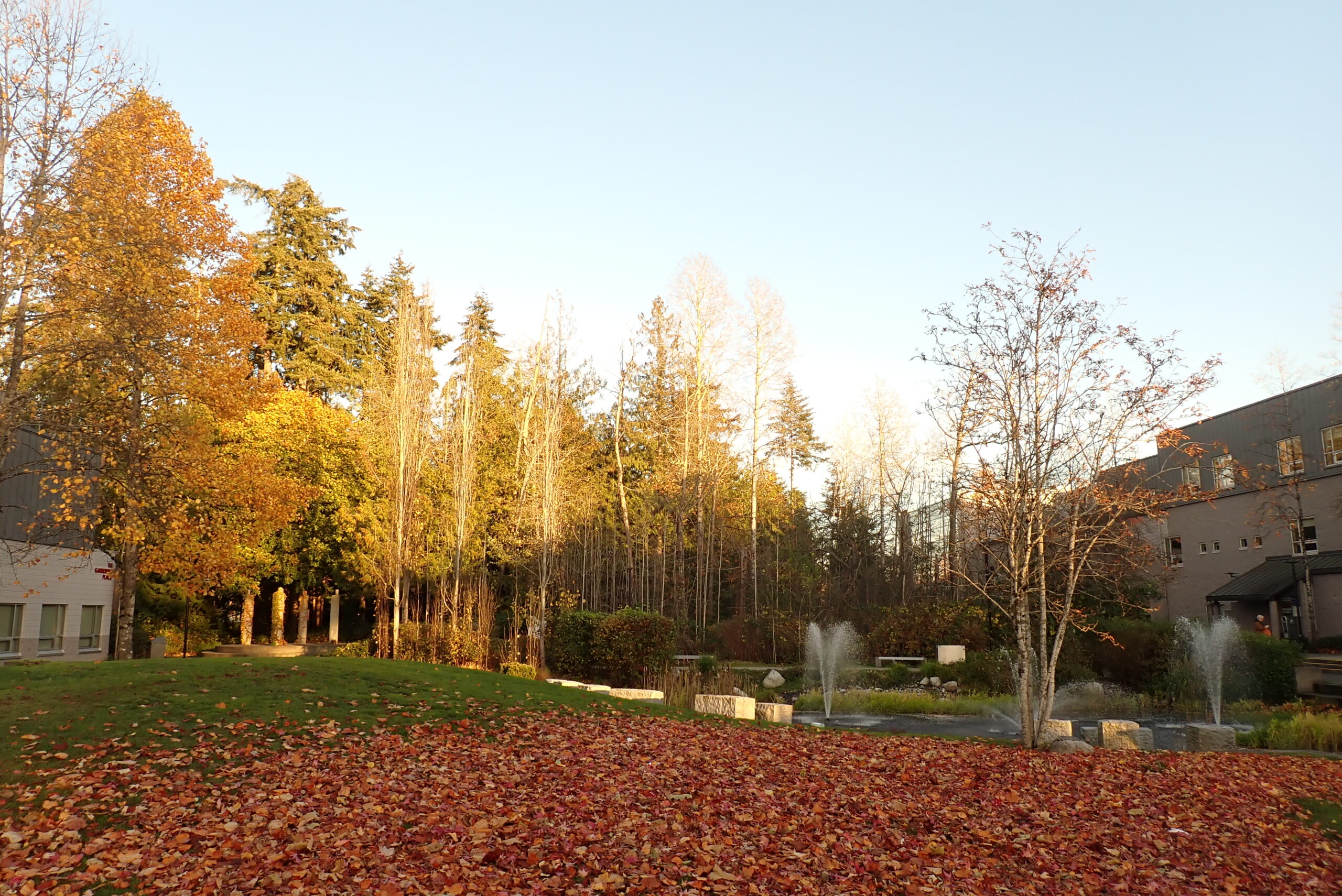
Introduction to Writing
ENGL 1100: Students move around the campus, noting different forms of communication which then informs the poem they write and an argumentative paragraph. Read more
-
Rewilding Our Hearts and Actions: Ecology, Sustainability & Creativity
IDEA 2100: Six activities related to reciprocity, plant medicine, creative storytelling, Coast Salish Weaving, and a local streamkeeper walk are described. Read more
-
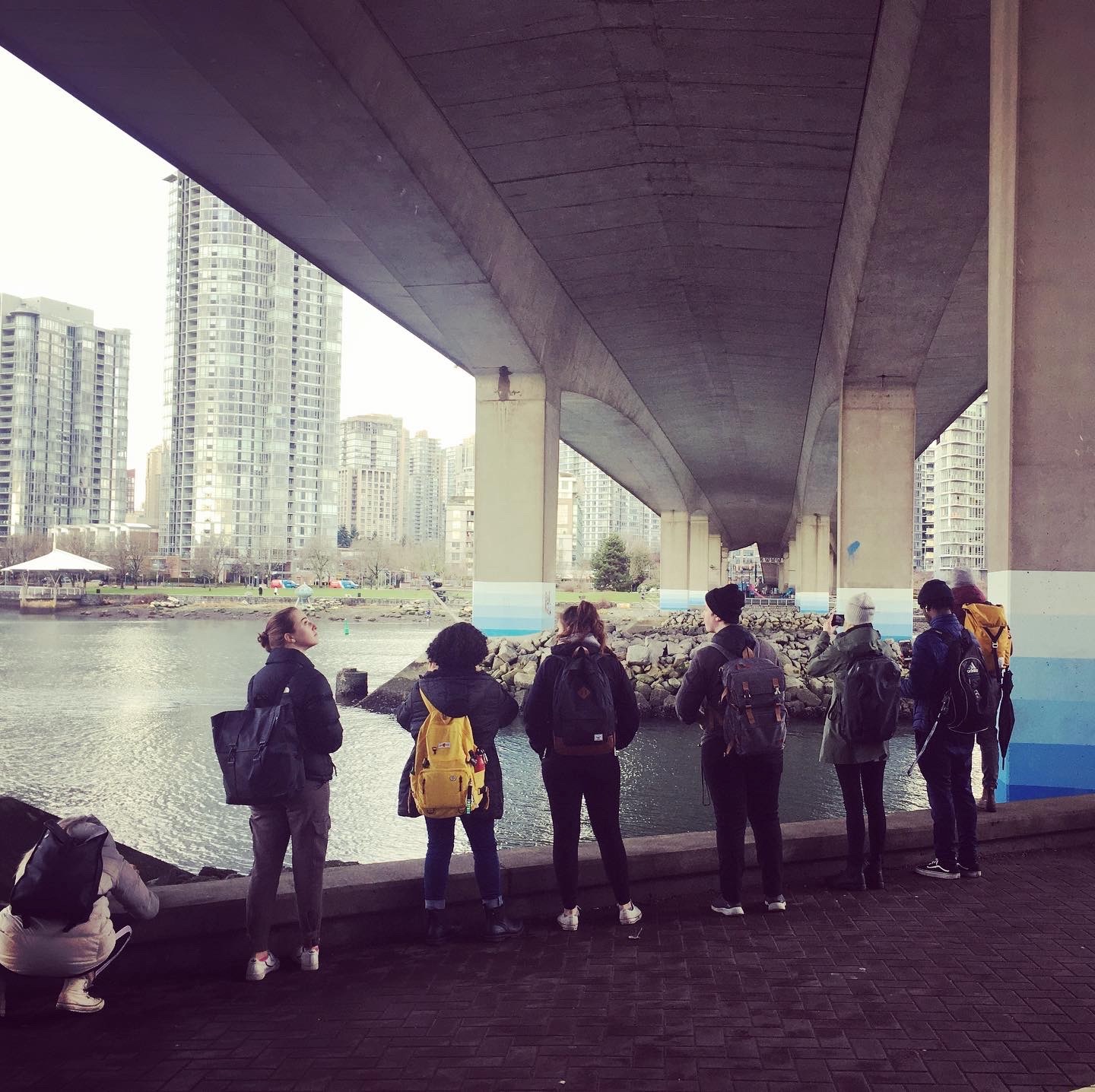
Studio 5: Designing Through Systems
DEPD 2410: Students reflected on coastal ecosystems, engaged during an on-site visit to the intertidal zone including a walking guide, and documented their observations through photos and field notes. Read more
-
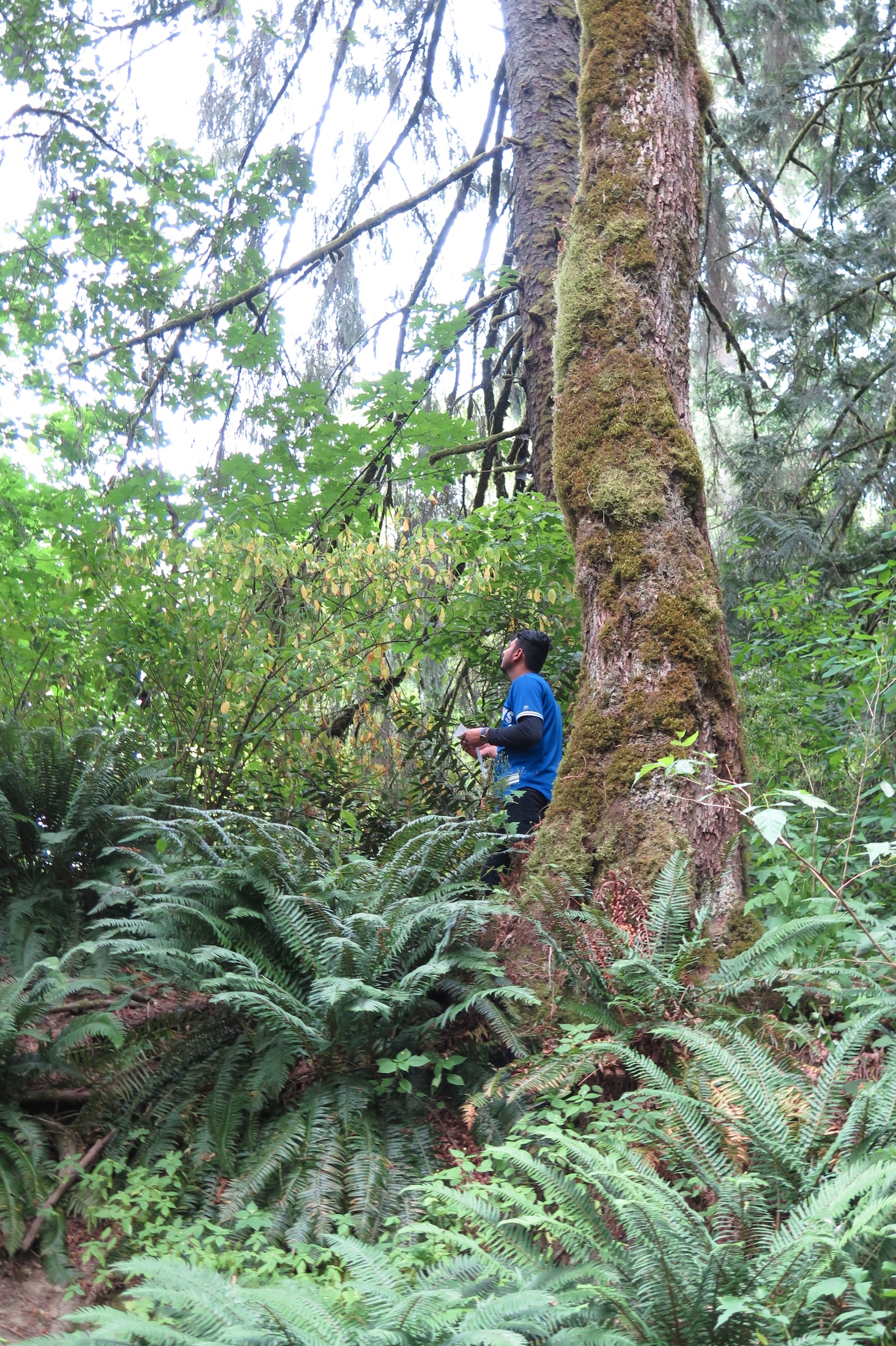
The Science of Wellness
ARTS 2000: A place-based learning experience with guided mindful presence, journaling, reflecting, walking, and story-sharing to develop ecological literacy, cultural understanding, appreciation for Indigenous history and culture, and a renewed sense of belonging. Read more
When you take the world away from a human being, something less than a human is left. That is the inverse of education.
robert bringhurst
Place-based Research at KPU
Office of Research Services
Marina Miller
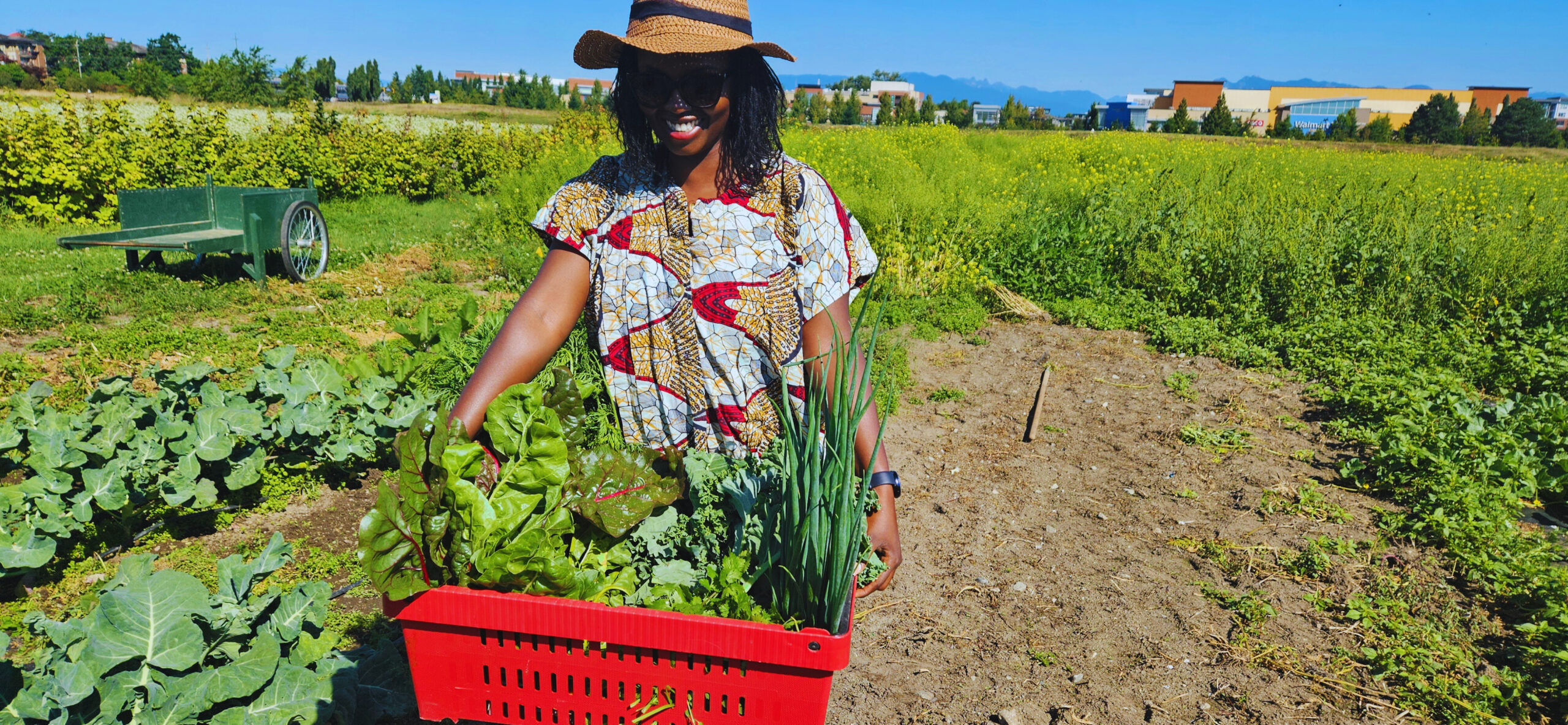
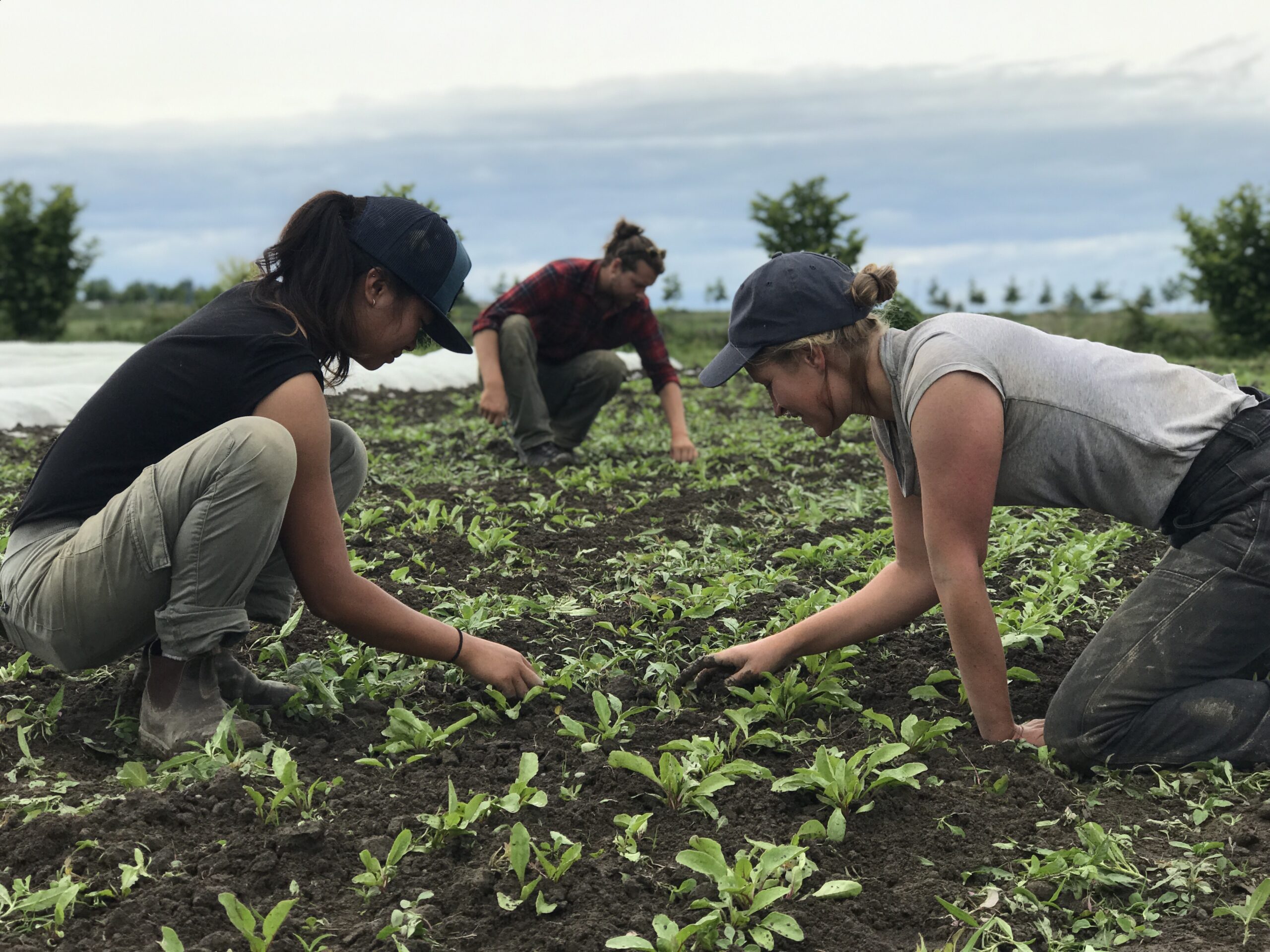
KPU Research and Innovation activities often take our researchers into the field for place-based learning. From student research projects to major faculty-led grants and extension programs, we have a strong focus on hands-on, applied research at KPU.
We actively seek and foster external partnerships which can lead to place-based learning as well. Partnering with us means gaining access to KPU’s Applied Genomics Centre (AGC), which has some of the most advanced technology in North America, our Institute of Sustainable Horticulture (ISH), our Institute for Sustainable Food Systems (ISFS), and skilled students from our practicum and business internship programs, ready to apply their diverse academic knowledge in real-world projects.
Richmond Farm School – Extension Program
The Richmond Farm School, operated by the Institute for Sustainable Food Systems (ISFS), aims to inspire community-focused, small-scale organic, regenerative agriculture through knowledge mobilization and hands-on training.
They strive to empower individuals to take their first step towards growing their own food and becoming farmers while positively contributing to the robust regional food systems. The Farm School takes place at the 8-acre KPU Research and Teaching Farm on the Garden City Lands in Richmond and operates on the 1/4 acre of land to provide participants the opportunity to engage in learning about small-scale organic vegetable production. This scale of vegetable production encourages intensive management, quick turn-around of crops, and low capital investments.
Overall, they have trained over 200 individuals at farm extension programs over the years.
Institute for Sustainable Food Systems
In addition to farm schools, the ISFS often gets out into the community to conduct research. For example, a recent KPU News story highlighted how ISFS researchers are helping farmers on Vancouver Island pivot before their agricultural operations dry up due to climate change. Overall, the ISFS has supported over 50 student employment opportunities, and have tens of partners across government, non-profit and industry. For example, they have collaborated with the City of Surrey to enhance soil quality and increase carbon sequestration on farms. They also collaborate with various Indigenous communities around BC, providing agricultural consultation to support communities’ food sovereignty goals.
Institute for Sustainable Horticulture
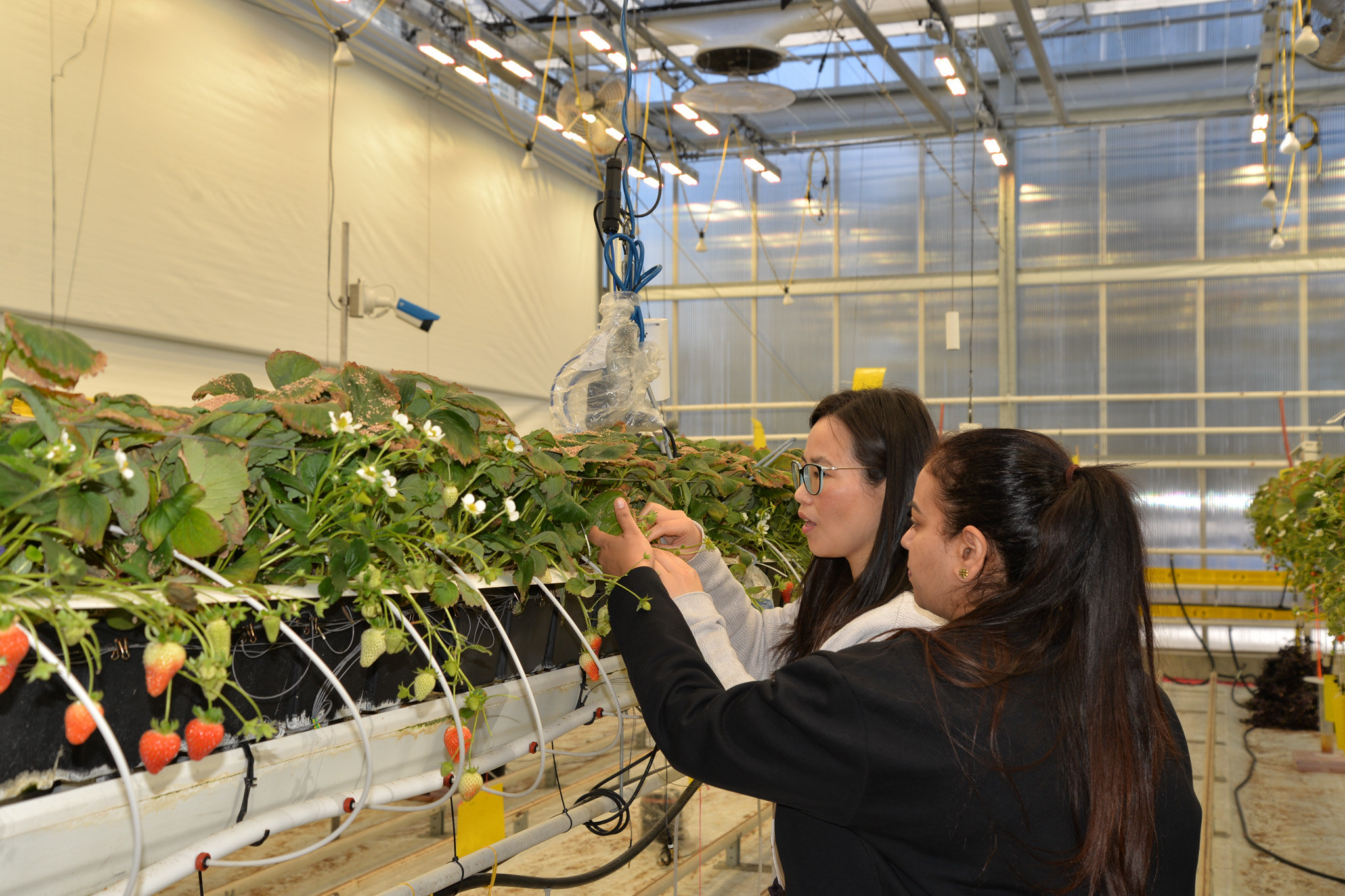
KPU’s Institute for Sustainable Horticulture has a greenhouse and laboratory where a lot of their research is conducted. They have facilitated over 50 student research internships and capstone projects, hired many research assistants and graduate student interns from around the world, and trained over 20 greenhouse production technicians. Additionally, they have 109 industry partners, 22 association/non-profit partners, 8 international partners, and 8 Canadian post-secondary partners.
Applied Genomics Centre
The AGC has over 50 current community partners which allows collaboration in the Fraser Valley region and beyond. They routinely hire student research assistants to work in the lab on industry partner applied research projects. Students gain hands-on training and experience of working in the lab, as well as working with industry companies in the field. Overall, they have cumulatively supported 17 graduate students, 26 capstone projects, and 47 employed students.
Student Research and Innovation Grant (SRIG)
The SRIG program helps integrate KPU learners into faculty-led and student-led research and innovation. This allows students to get into the real world to conduct their research. A recent example is Sara McLean, an Environmental Protection Technology student who engaged in the Kwikwetlem River Water Quality Study. Her SRIG funding allowed her to travel to conduct field sampling in the Coquitlam River. “Kwikwetlem First Nation has collaborated with several other stakeholders to build a sockeye hatchery south of Coquitlam Dam to bring the fish back to the Coquitlam River. This project looked at water quality in the river and looked to identify any issues that could impact adult and fry sockeye as they migrate through the river.”


KPU Wild Spaces
This interdisciplinary team of faculty, staff and students engages in ecological place-based learning at and near the KPU campuses. Their research includes exploring the history and ecology of local environmental areas, decolonization projects by Indigenous student researchers, and sharing their work at international conferences. Local places they engage with include Cougar Creek, Newton Greenway, Logan Creek at KPU Langley, the Westerman Property, and KPU Farm beside the Richmond campus. Two priorities for Wild Spaces are accessibility and decolonization. Wild Spaces runs a community of practice and also hosts Arts 4800 Arts Practicum students. Join one of their monthly outdoor events, book a consultation, or join their team.