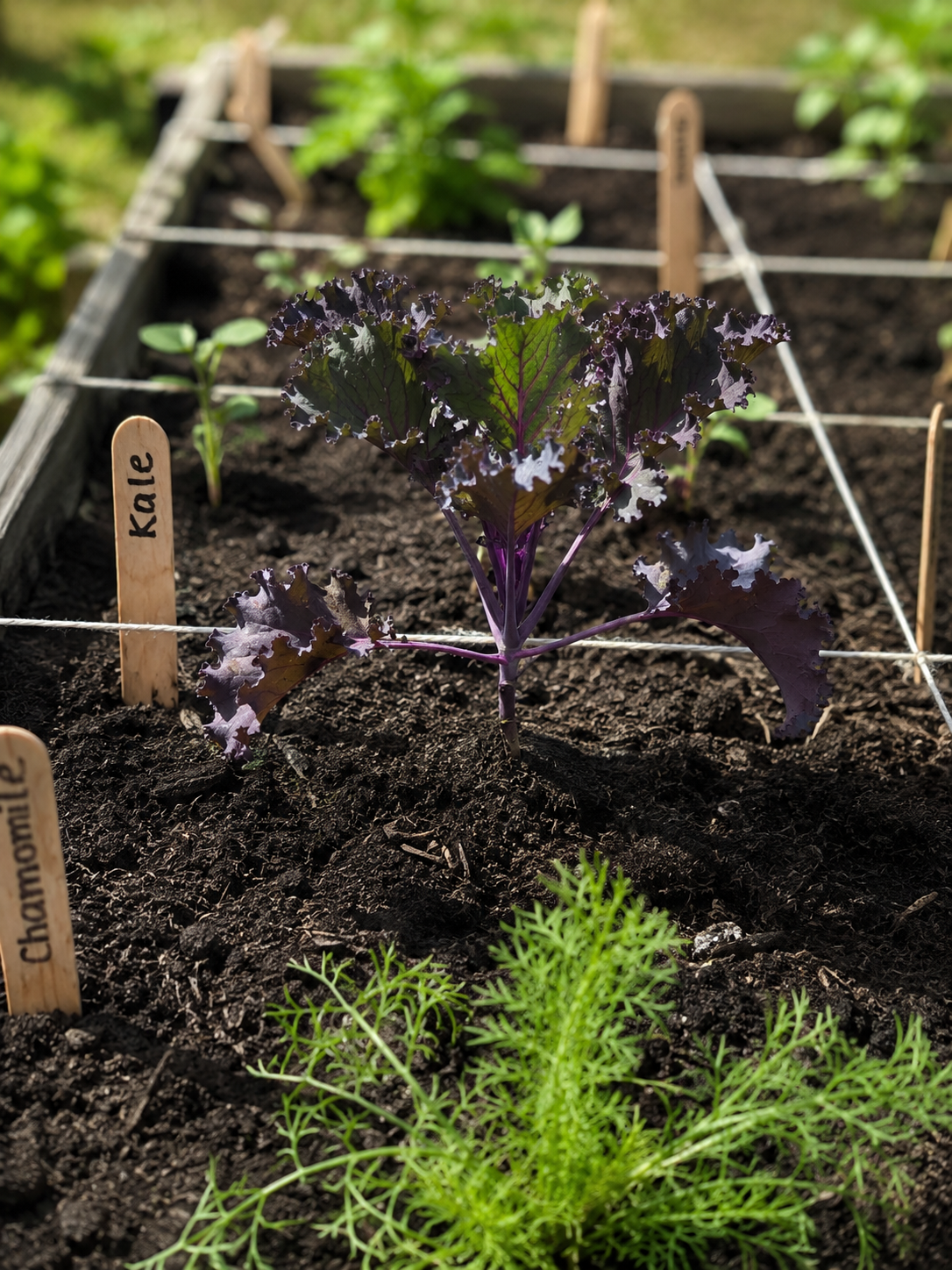
For the past five weeks in class, I have been doing the gardening project with my group. In the first week , we decided what to plant, and in week 2, we planted seeds. now we are watering them regularly , keeping them safe, and seeing the process of a seed slowly growing into a plant. As someone who has never done gardening before, it has been a very rewarding experience, but when I compare this experience to what I have been studying in class about the environmental laws around us, one text that we read made me think even more was ‘Food Crime and Green Criminology’. before reading this, I thought food crime crime only meant contamination, mislabeling, or fraud. However, green criminology challenges this narrow definition by focusing on harm rather than legality. To say this in simile terms, not all harmful things are illegal, and not illegal actions cause significant harm.
From the text ‘Food Crime and Green Criminology, the authors state that,”Green criminology can assist with challenging assumptions about what constitutes’ food crime’ and who can be victimized by it”. But the main questions one thinks about are: Who is being harmed?which law was broken? When we think of food crime, society first condemns food fraud rather than focusing on industrial food production, which harms things on a large scale, such as animal suffering and the deconstruction of ecosystems. Industries often focus on profits and efficiency and normalize harm because it is legal.
Reading the text, I realized that food animals are often overlooked, and society usually focuses more on people than animals, which are rarely considered victims. To connects this with gardening project, it made me appreciate living systems and view nature in a different way, not only as a resource for humans.
The project also helped me understand how much time, care, and responsibility are required to grow even a small amount of food.This victimization has a larger impact on communities affected by the environmental damage surrounding them and often does not have clear legal boundaries, as these are influenced by industry and economic interests.
In conclusion, the most important thing from reading this text and participating in the project is that legality and hate are not always the same thing. The project showed me how valuable food-producing ecosystems are. Green criminology helped me question whether practices that cause environmental destruction and animal suffering should continue to be accepted simply because they are legal.
References Tourangeau, W., & Fitzgerald, A. J. (2018). Food crime and green criminology. In A. Brisman & N. South (Eds.), Routledge international handbook of green criminology (pp. 205–221). Routledge. *This blog was proofread using ChatGPT*

Provide Feedback